Teaching Statement
As an industry professional focused instructor, my emphasis has always been on getting students ready for the workplace. This difference in approach is what makes me unique to an academic institution and brings balance to the overall mix of instructor’s students have during their college experience. Through each interaction, I encourage students to:
Think beyond the obvious solution.
Show others their distinctive approach to solving problems.
Communicate their vision through visuals means and storytelling.
Telling compelling narratives as to why a product should exist.
Show how they can improve the lives of others through design practices.
Start with WHY
On the first day of every semester, I start with why. Why did you come to college? Why did you choose design school? Why this career path? Starting with why does two things, it allows the students to reground themselves with their purpose and us an opportunity to help them understand how our courses and assignments build skills to their future goals.
Personal Grounding
A moment to reevaluate their long-term goals, reset, and aid them on their journey. This allows them to be honest with themselves about what skills they want to hone and understand how this class fits into the puzzle of their college education.
Context of Learning
As we launch into projects, assignments, or skill development, explaining how we structured the learning. Show that there is a strategy to grow their skills, knowledge, and ability. Highlight there is method to the timing and content. We can relate one lesson to the next and display in professional work why this matters.
When every project, assignment, and effort then can be put into context, students can then tie it to their individual goals, and they stay engaged in the process.
FAILURE is how we LEARN
Most students find that, coming out of their earlier educational experience, they have never really failed or struggled before in school. Product Design classes are often the first time they weren’t great at everything, or it didn’t always come easy. This new experience can be terrifying, cause self-doubt, and anxiety. Often, they think they are alone and are the ones experiencing these feelings. So, I call it out.
Being uncomfortable is how we learn. Reenforcing that you won’t be great at any new skill right out of the gate, because it takes time. I work to name what they might be feeling, put it in the context of their career, and work to get them to feel comfortable in the uneasiness.
Breaking them of perfectionism can be difficult. Feeling comfortable making mistakes and understanding this is a safe environment takes time. Learning how to overcome one’s failures and recover faster. Grounding them in the design process, highlighting that the problem-solving skills or frameworks we use also apply to any problems in personal life.
Safe Environment
For students to make mistakes or push their own limits, most of the assignments are about completion of the task. It’s the process/practice of doing the work and not feeling that there is a punishment or that it must be perfect. This approach allows them to hone their style and try new techniques, that allows them to express their approach to design. It gives them the freedom to try something new. Often, it’s as simple as, “Try sketching 10 pages with just a Sharpie”. This builds the ability to defer judgement and focus on techniques.
Understanding ourselves and learning where the edges of our abilities lie allows us to be realistic about our skills, learn what we are good at, and mitigate where we fall. These understandings are life lessons that can translate into many facets of their life experience.
It’s about the STORY
Every student has different strengths, weaknesses, and developmental opportunities. My job is to meet them where they are at, help them identify and adjust their approach throughout the semester. Encouraging them to use the design process to express their learnings in a way that fits their storytelling style.
Through building up each student’s confidence in their abilities, I focus on helping them find their unique voice. This allows them to find a distinct way of telling their story.
At the heart of design, we are problem solvers. It’s a method that can be applied to any scenario to provide new insights, understandings, and that ultimately drive change. This skill will aid the navigation to professional practice so they can make an impact on the world around them by: soaring with their strengths, recovering faster from failure, and rely on their problem solving frameworks.
PDES 4702W: Capstone | University of Minnesota | College of Design
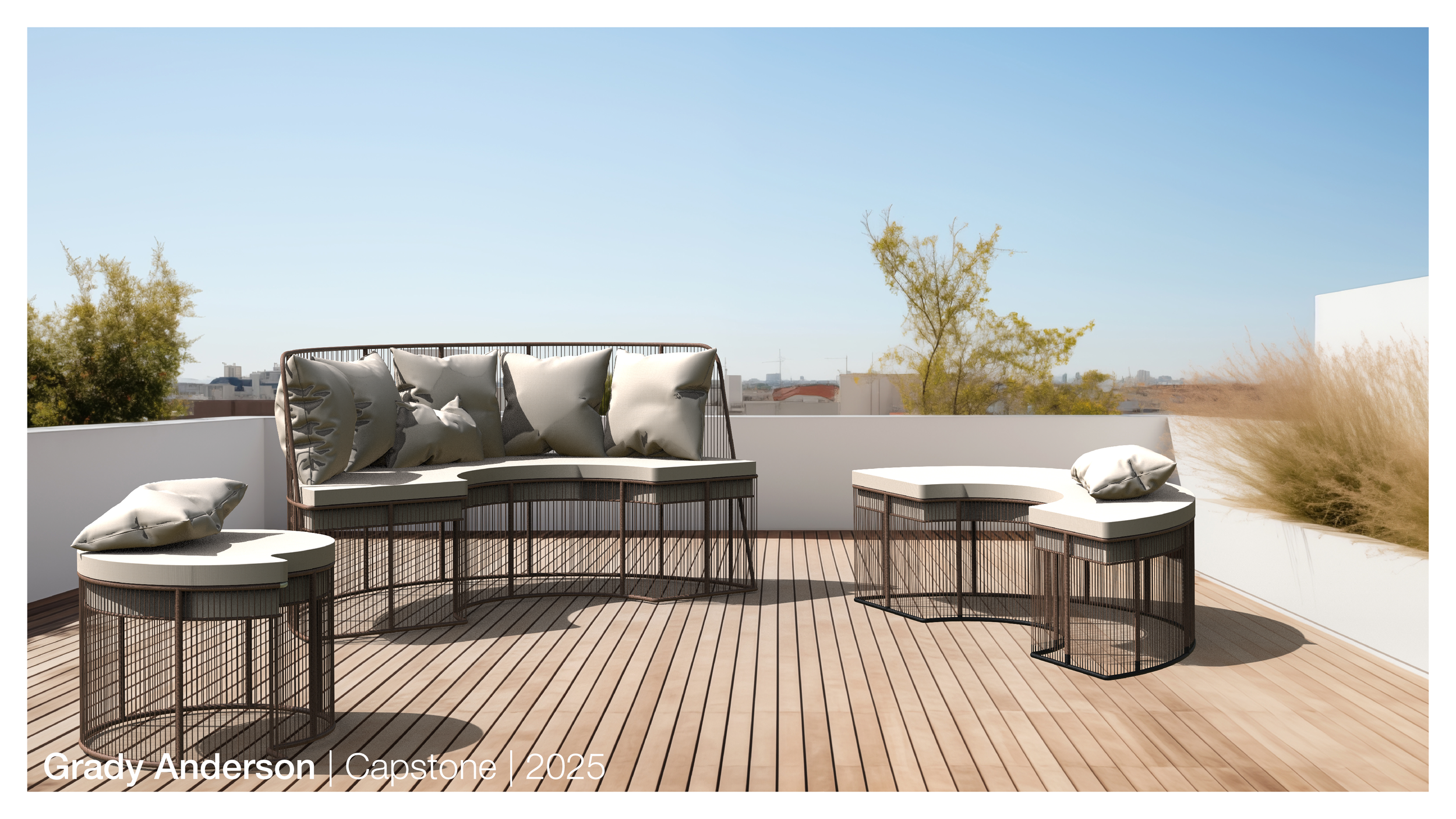
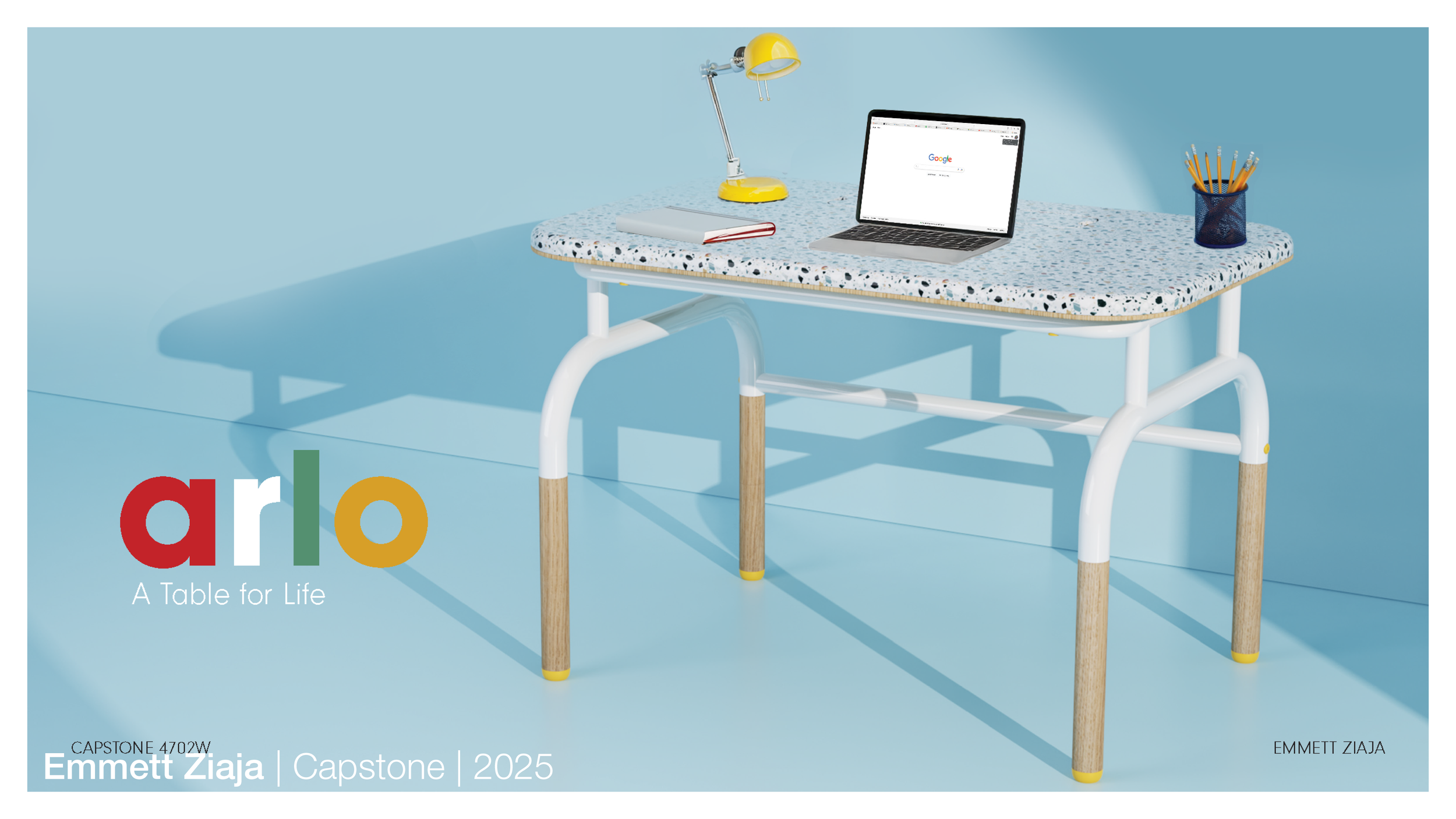
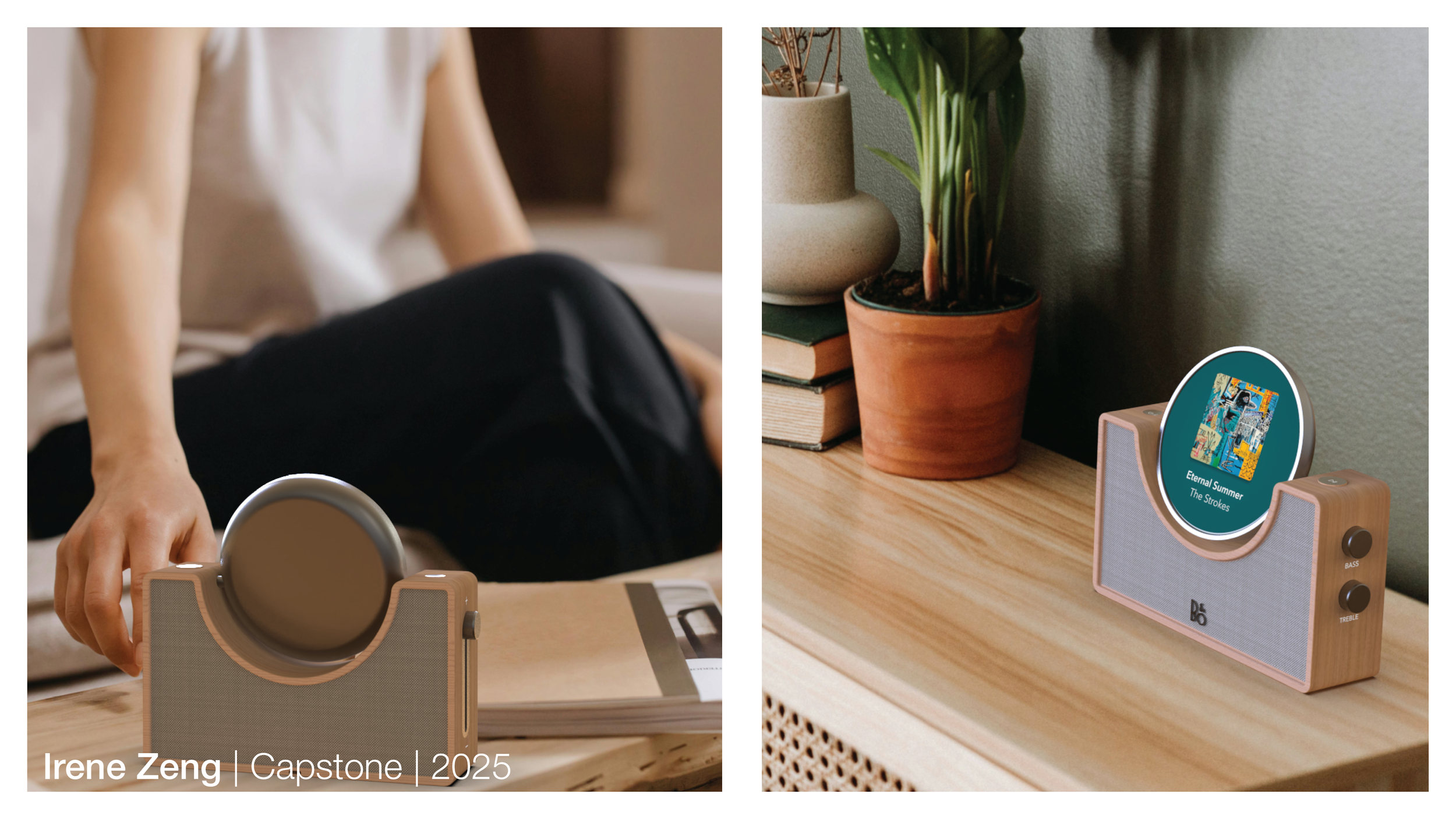
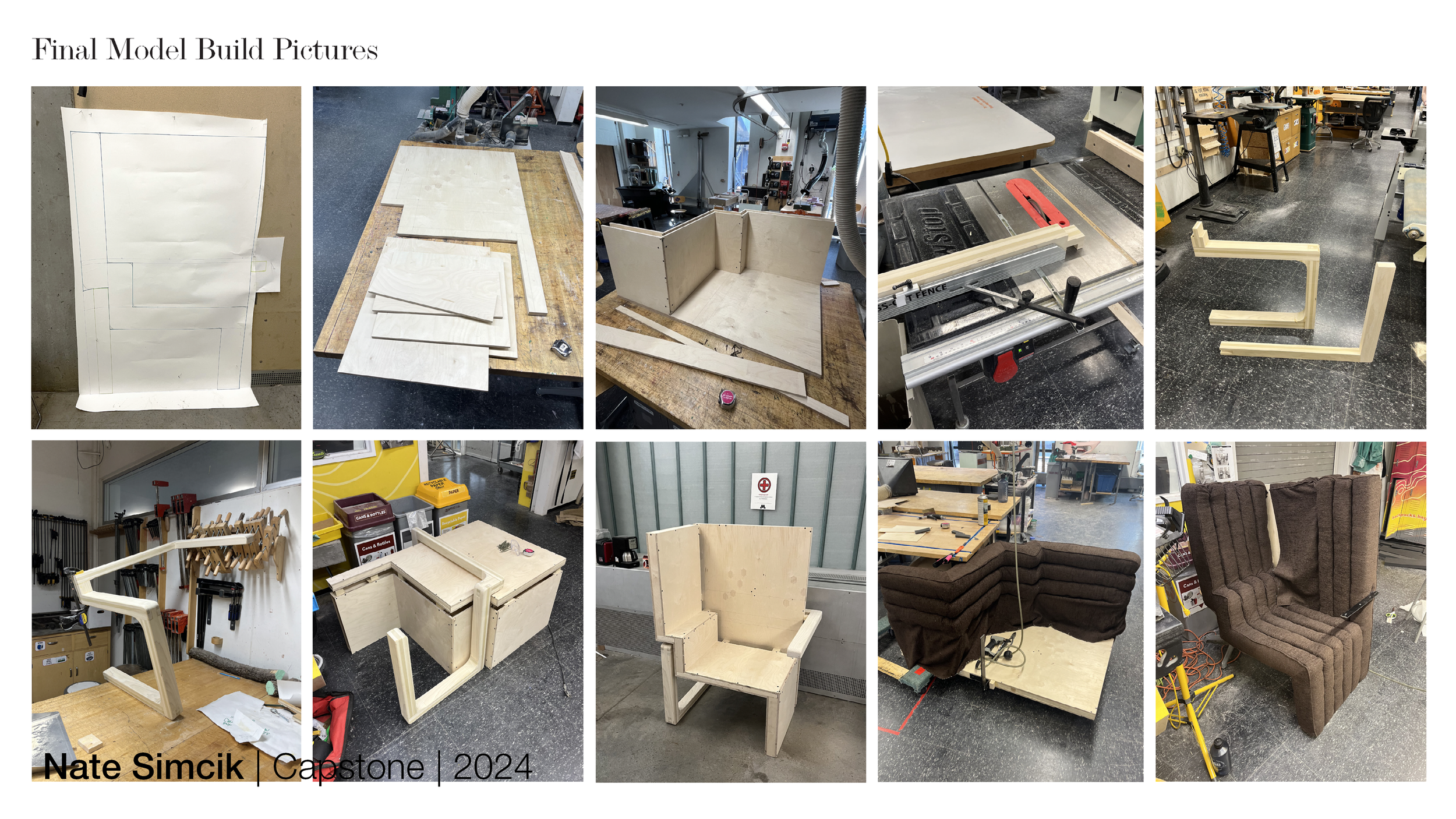
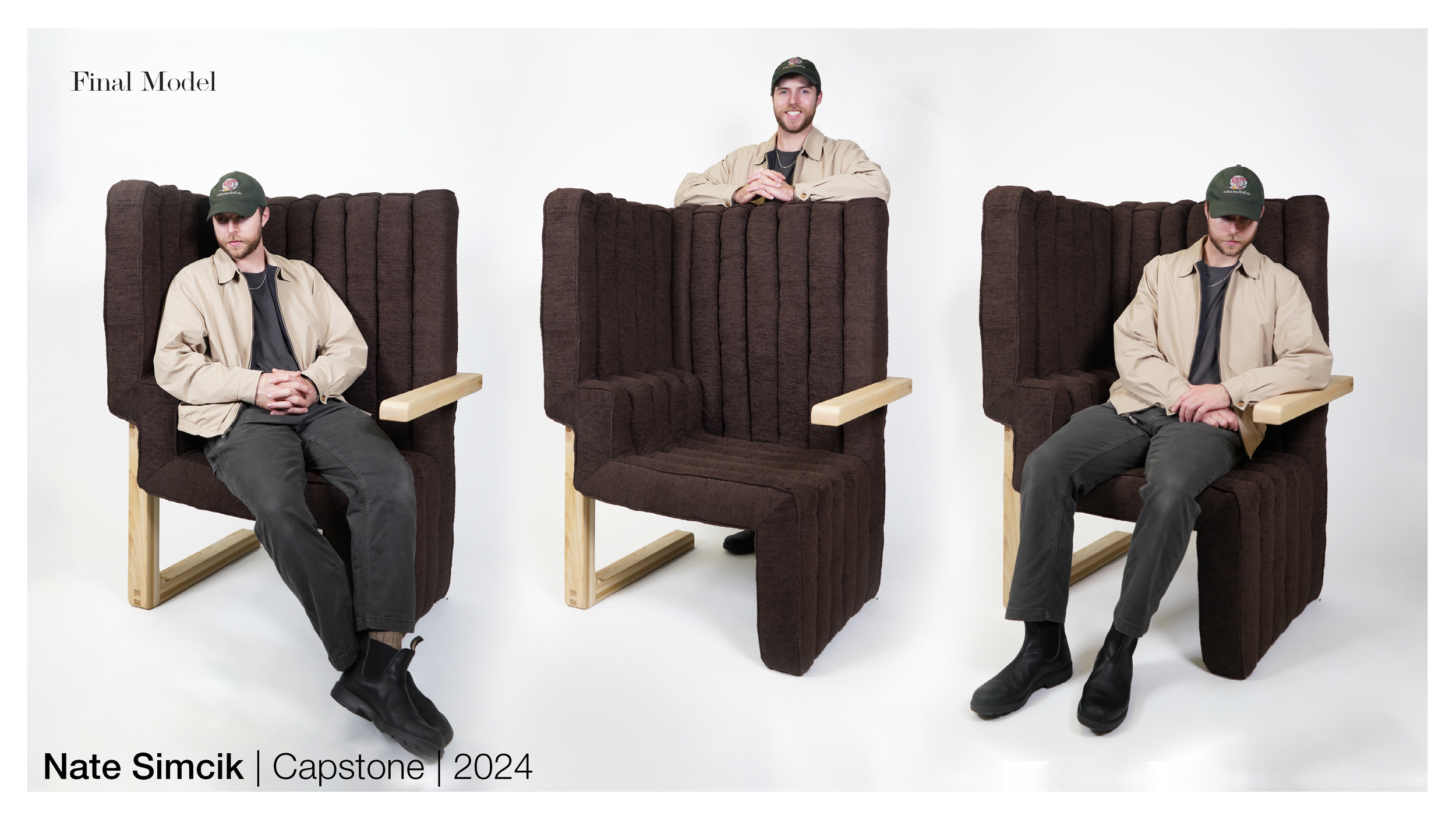
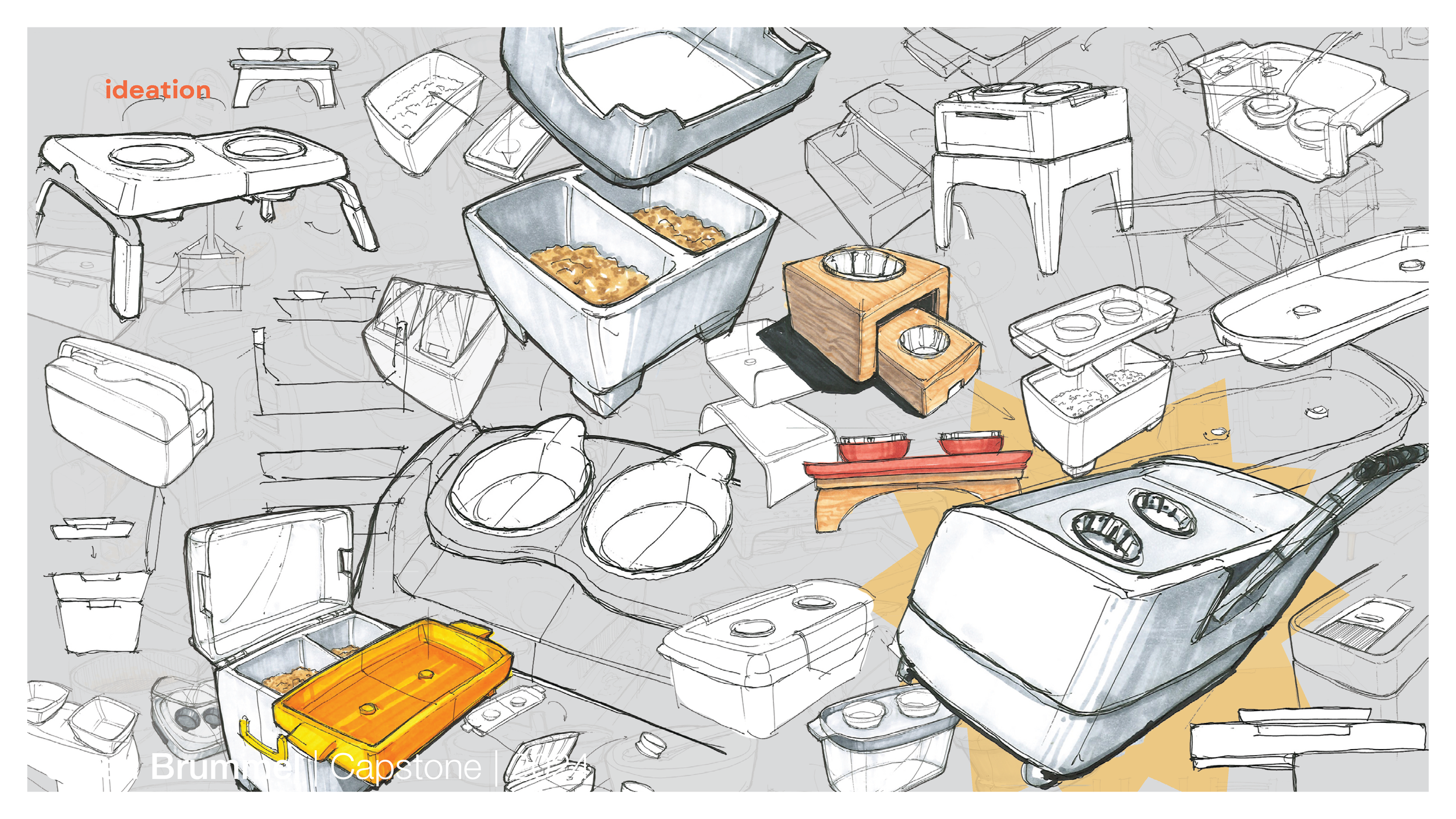
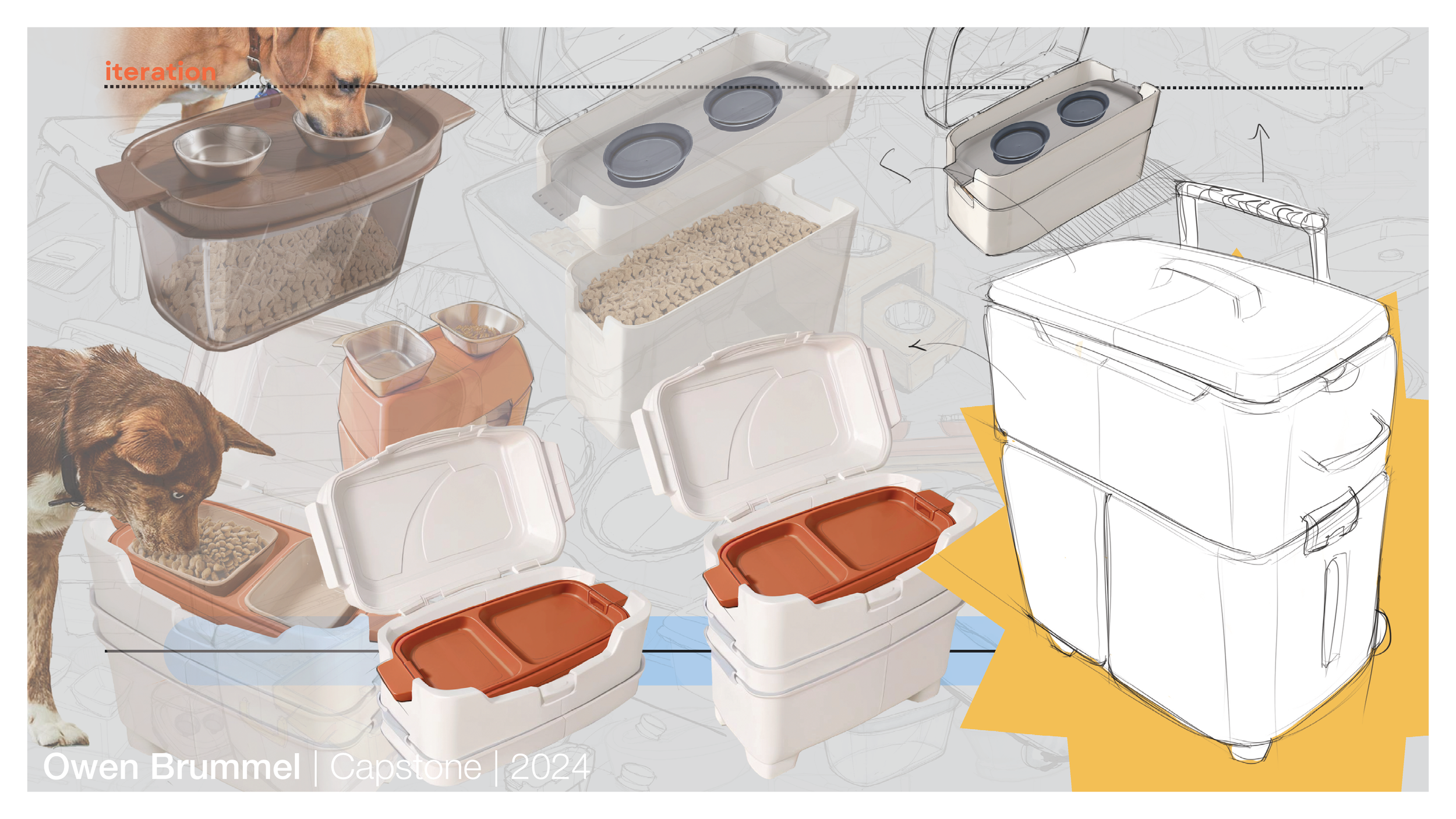
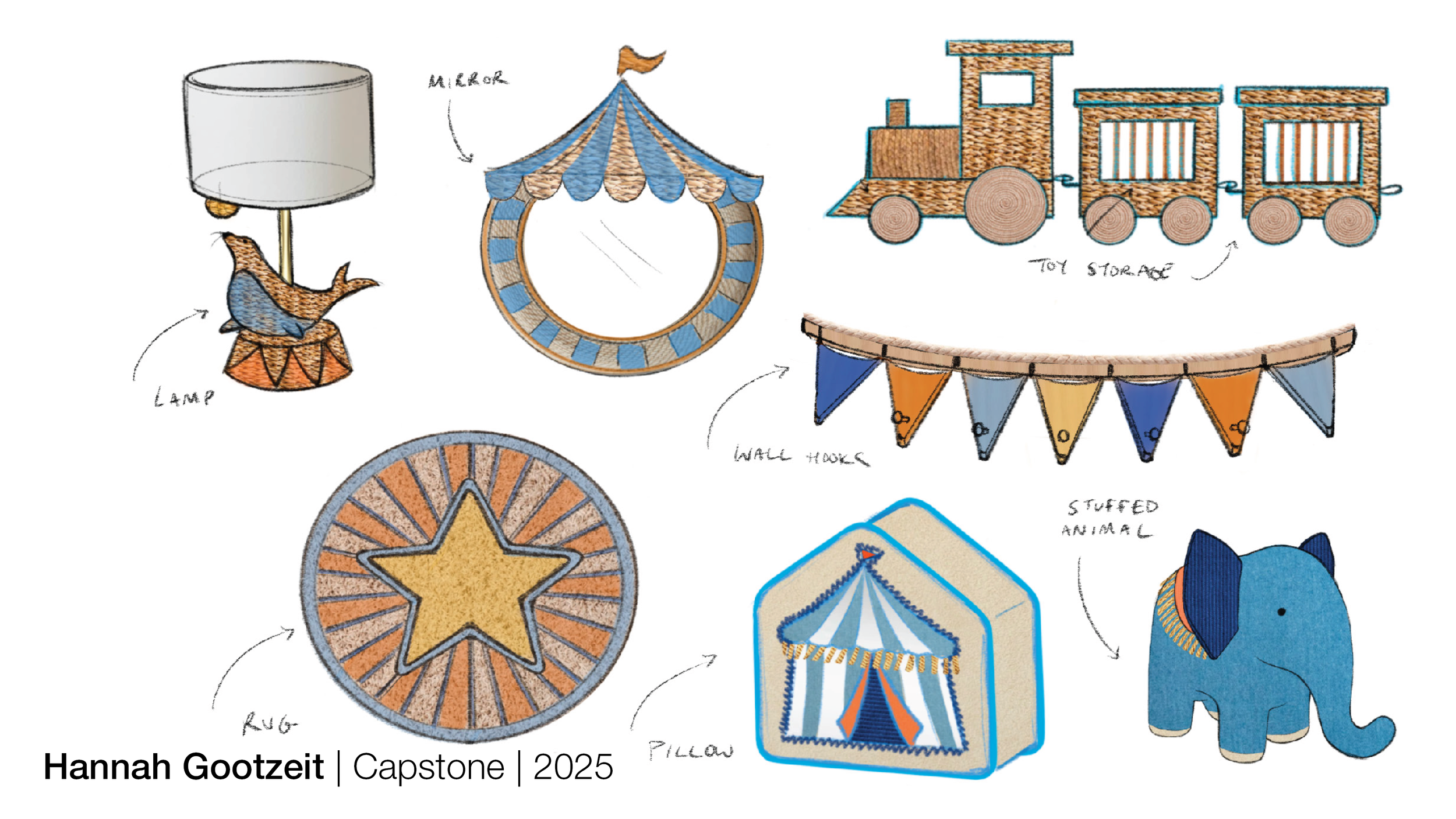
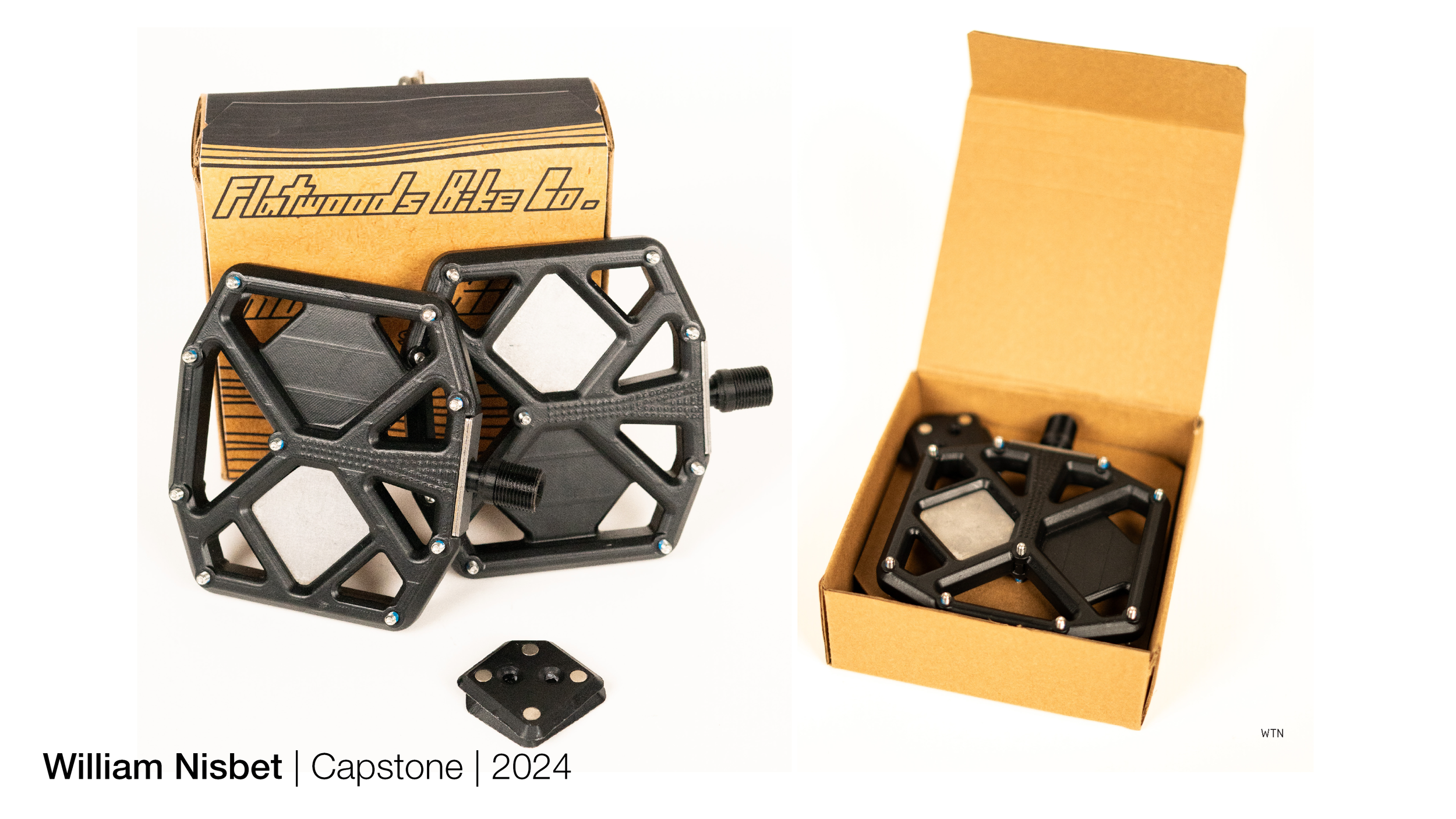
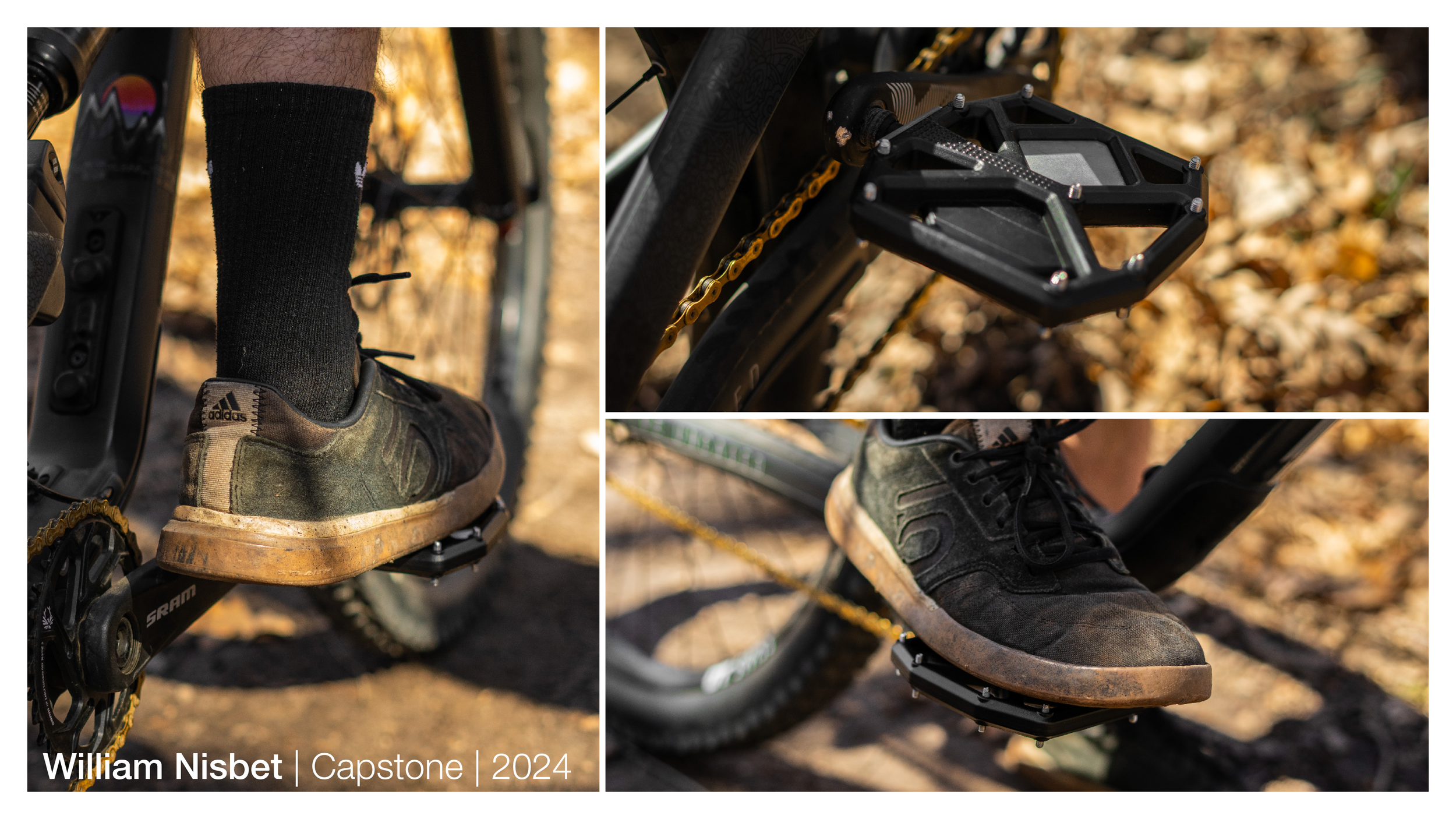
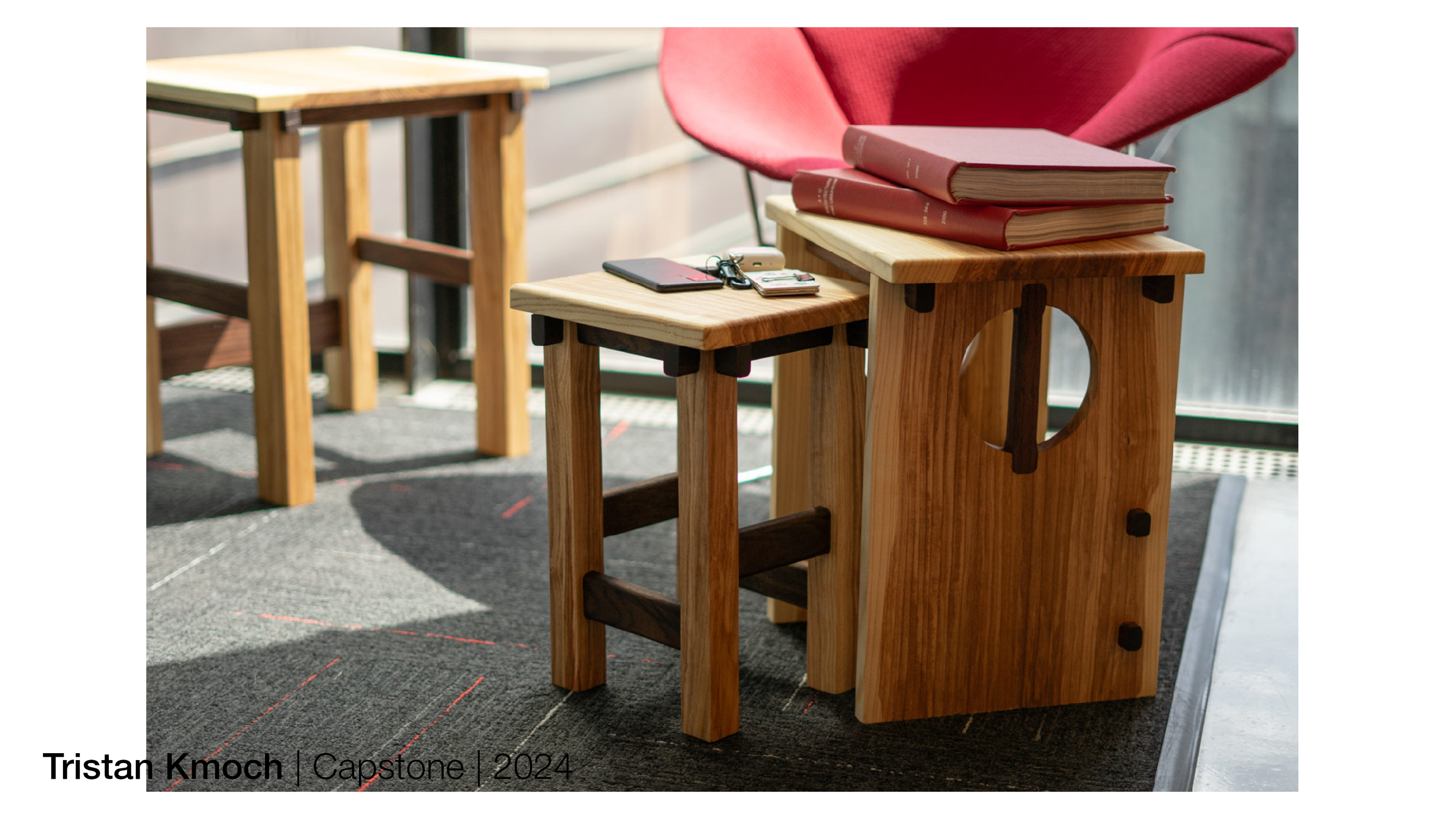
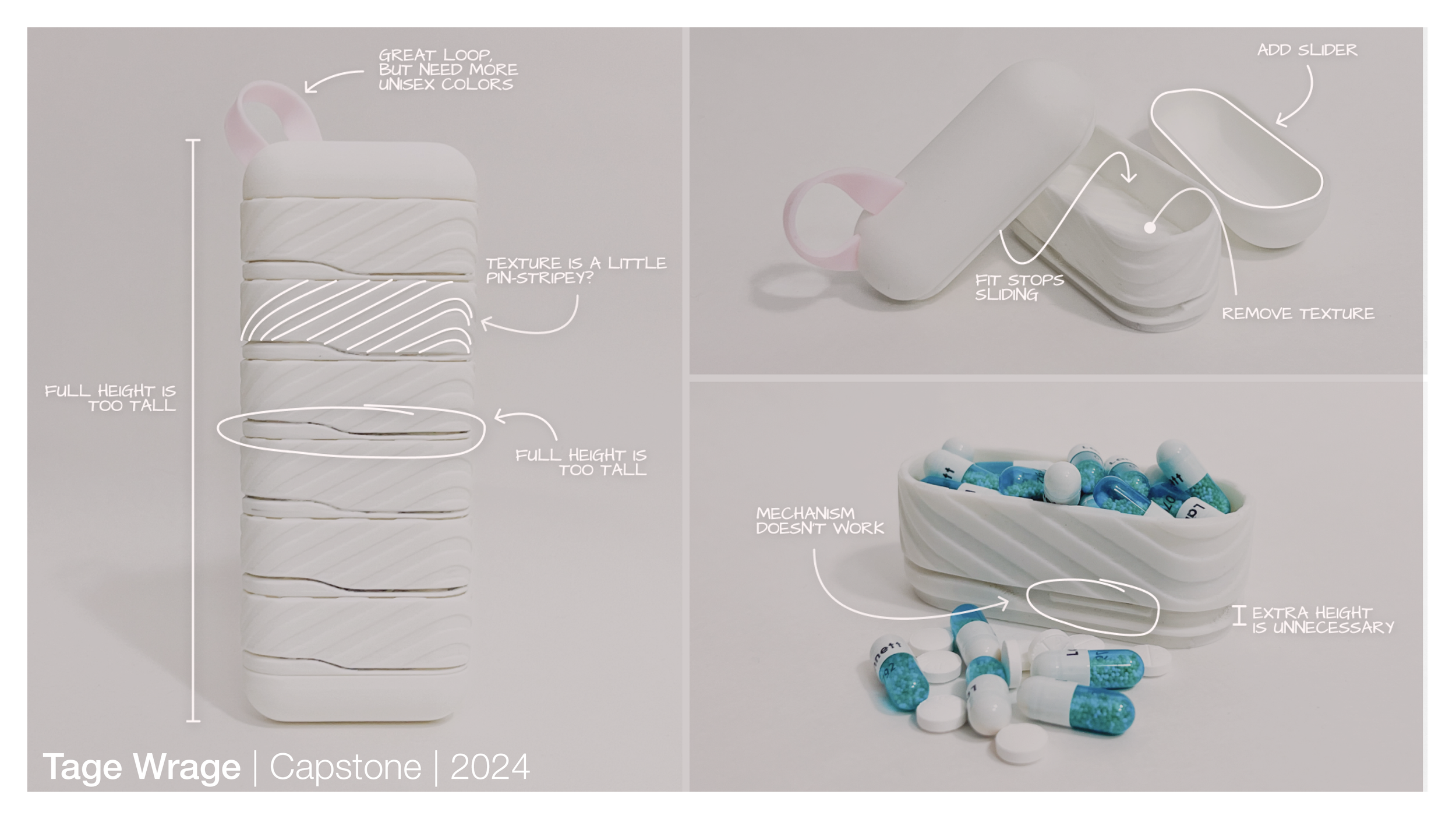
Final studio class for product design majors focused on showcasing all of the skills they have built while in program. Areas of focus: designing for brand, family of form, color/material/finish development, storytelling, portfolio development, physical prototyping, research, and visual communication.
Capstone Project | Semester Long Project
Student-directed project intended to demonstrate competency in fundamental design skills, communicating and documenting design processes, and the ability to apply design processes to develop new products and services while addressing real-world constraints.
• Must be a physical product
• Must have a physical prototype
• Intended for mass production
Skill focus: design research, concept ideation, low-fi prototyping, concept refinement, refined model making, CAD, and professional presentation

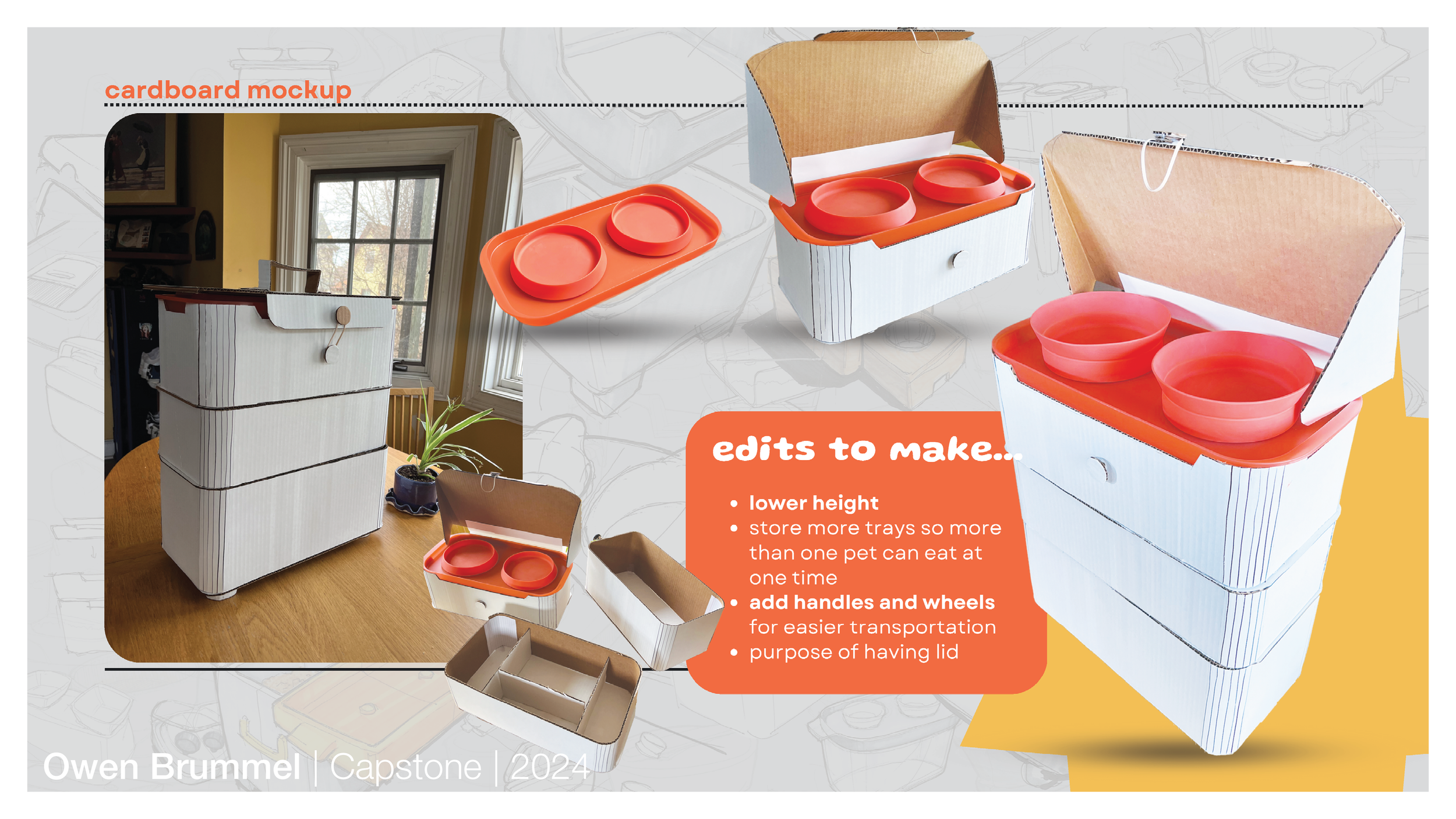
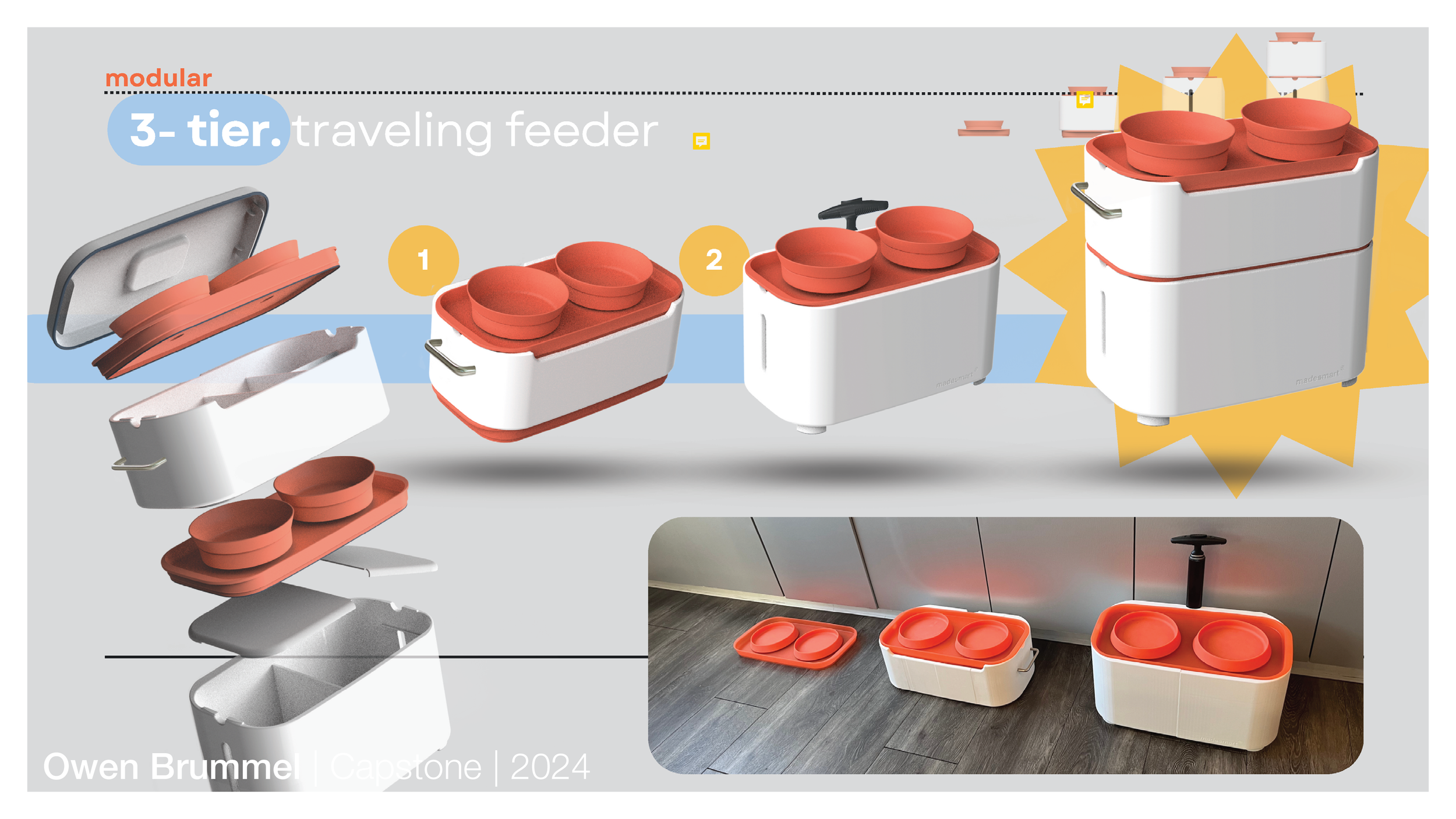
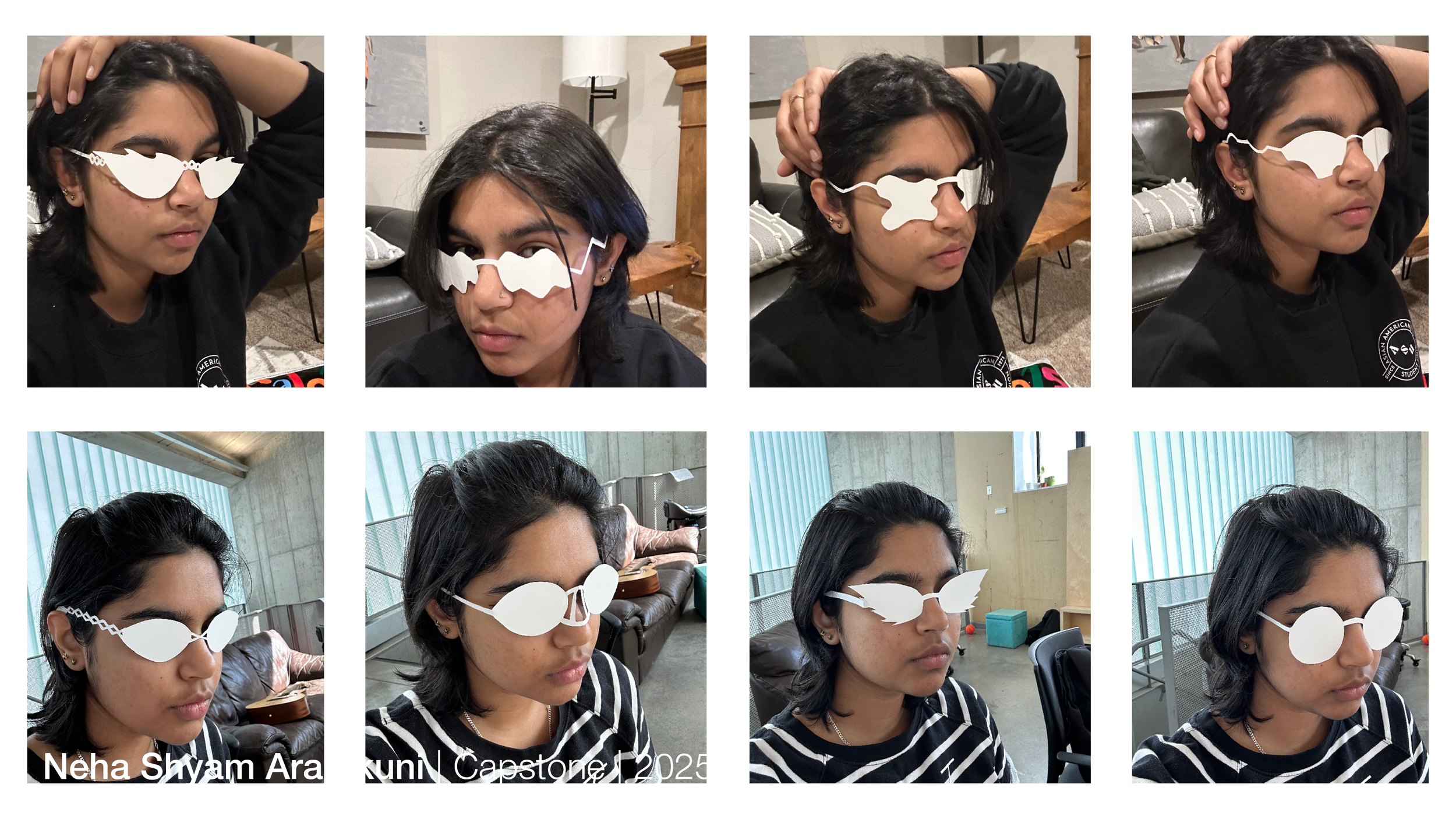
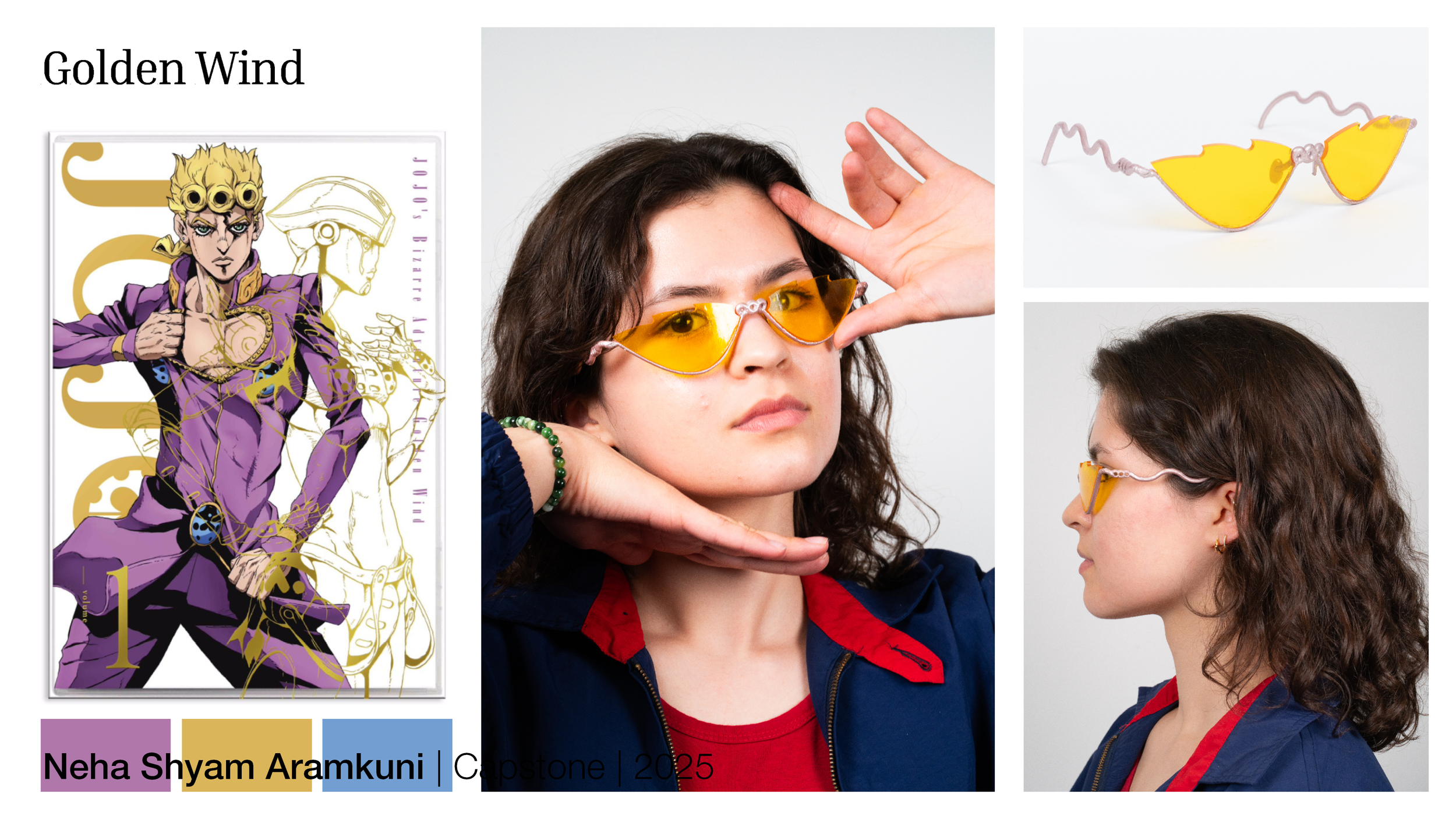
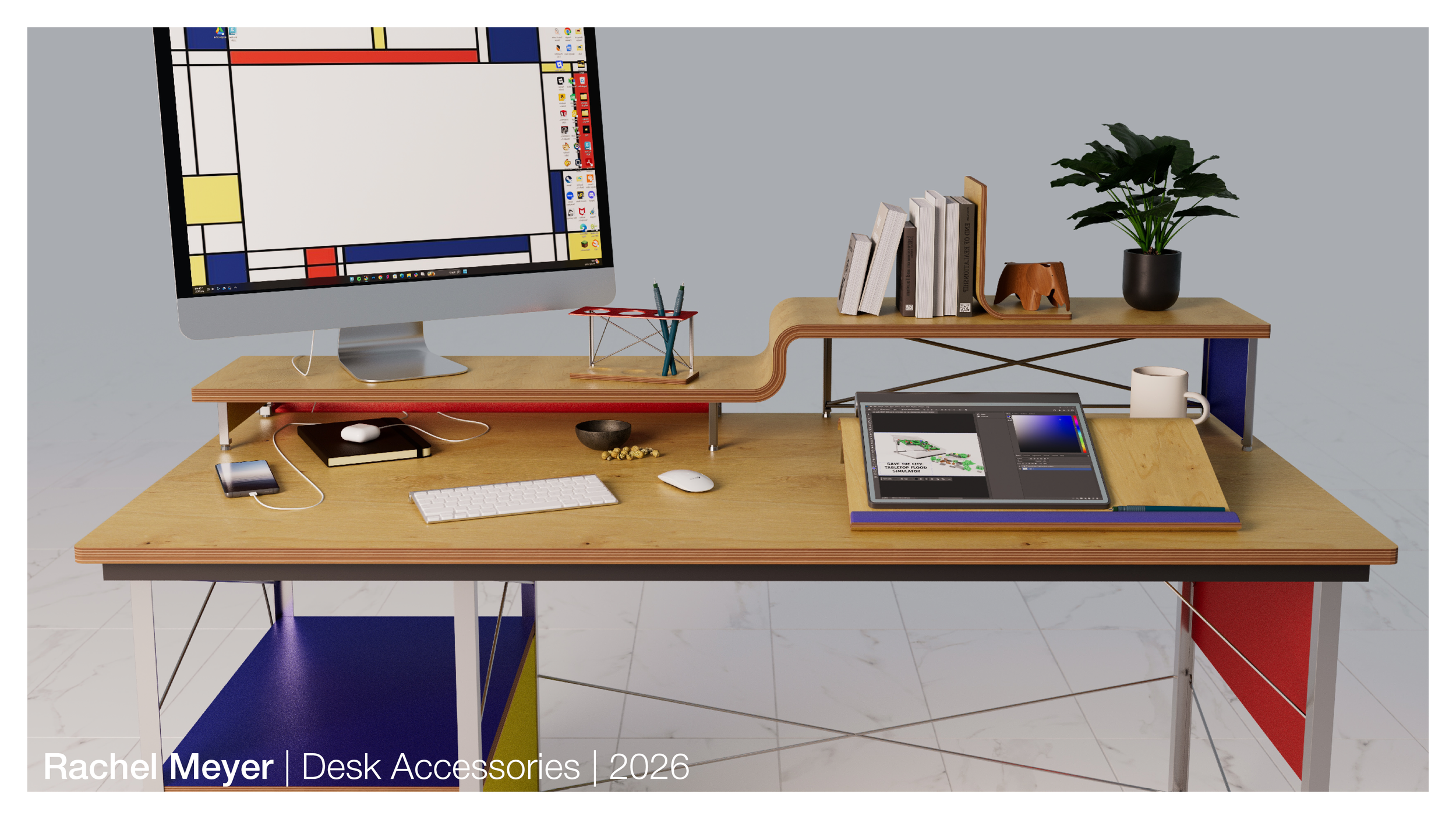
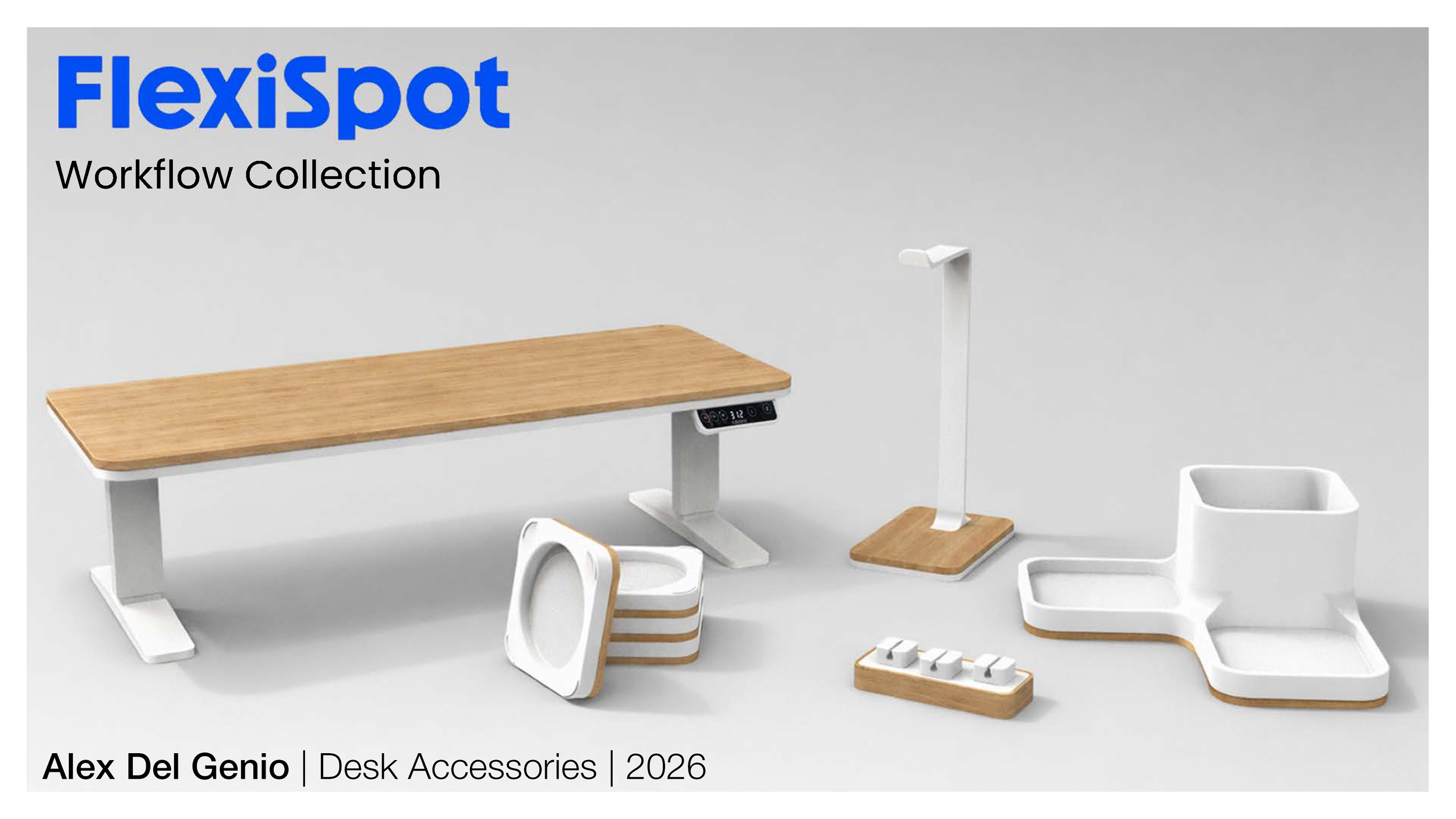
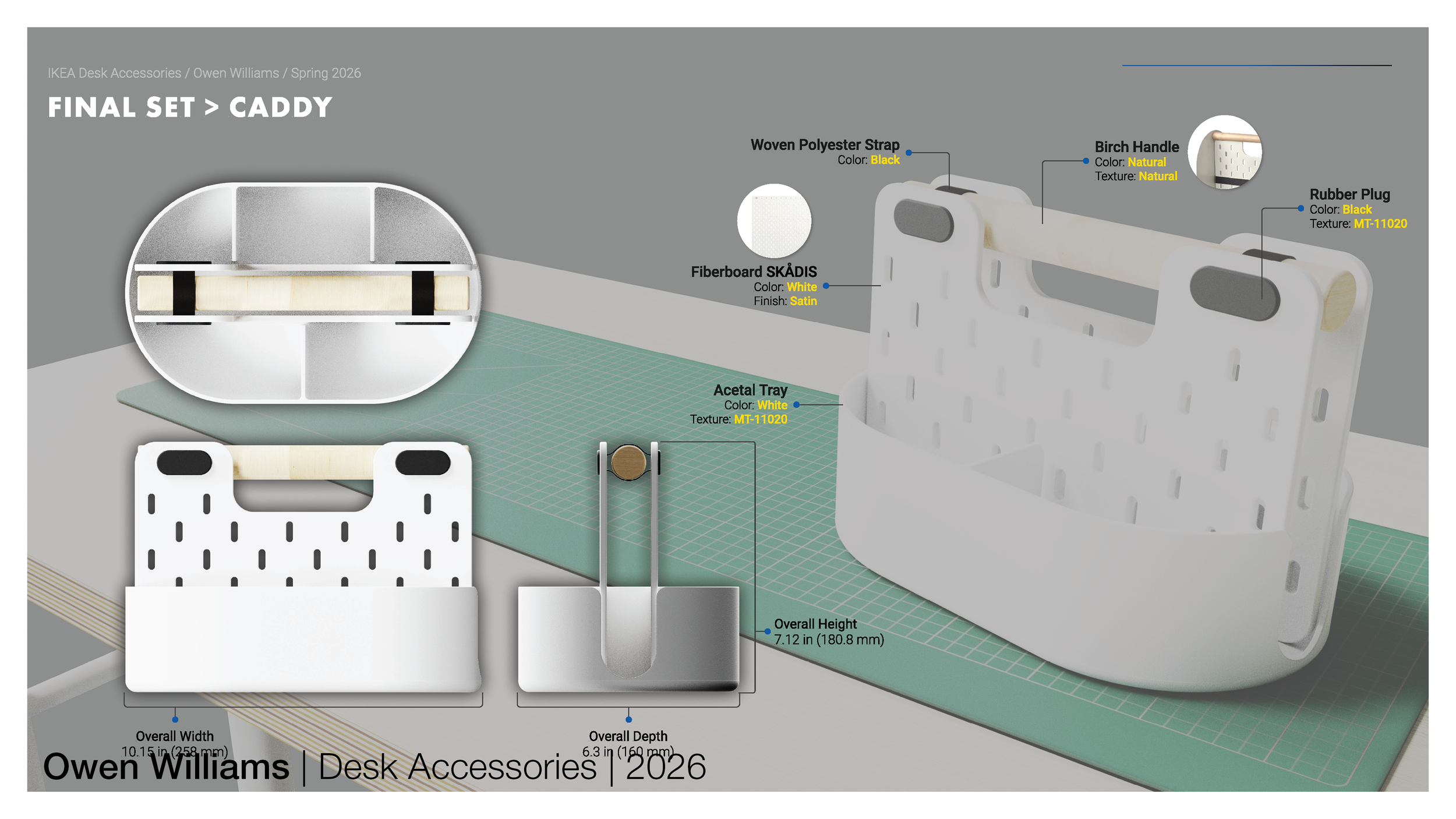
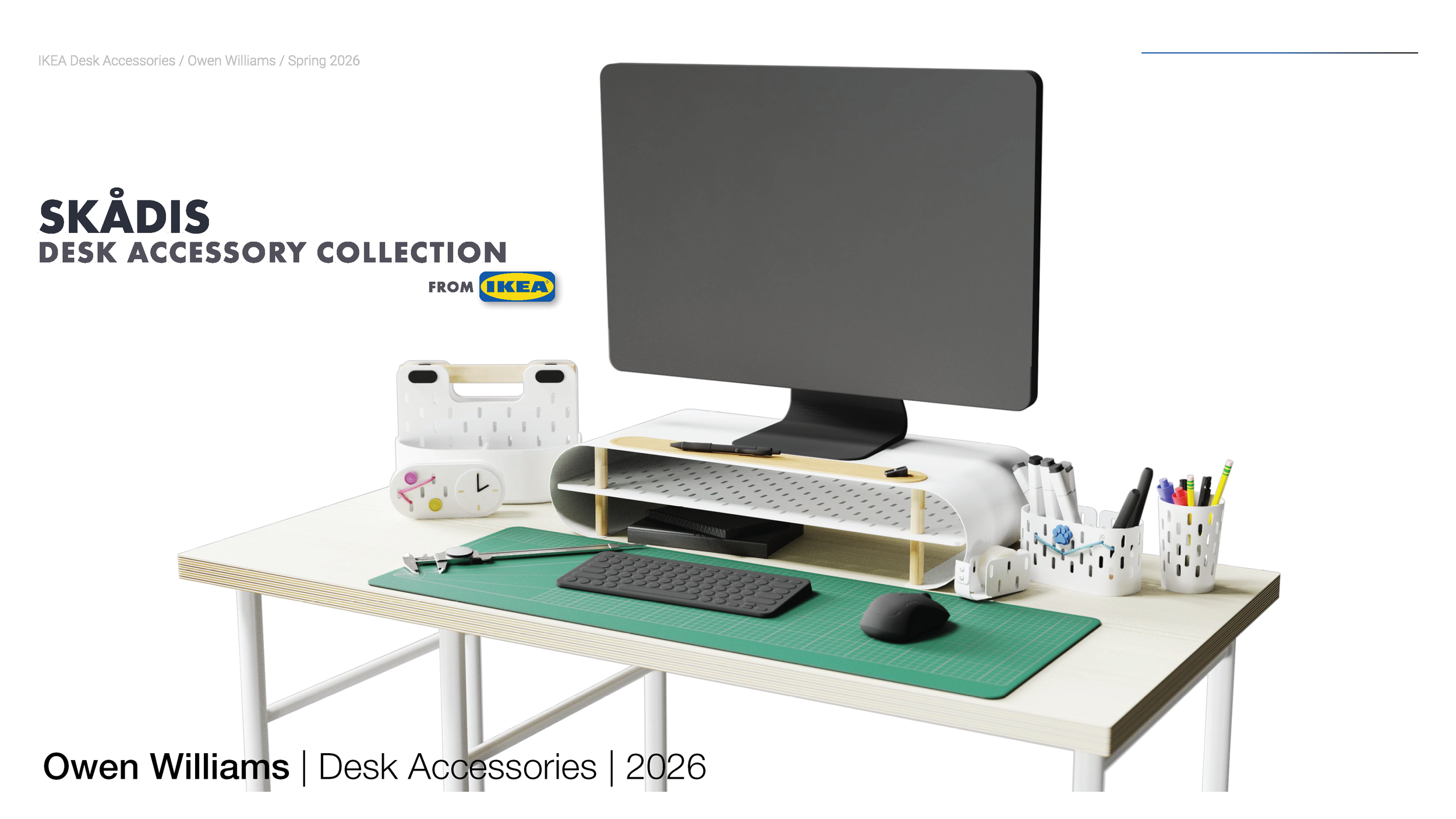
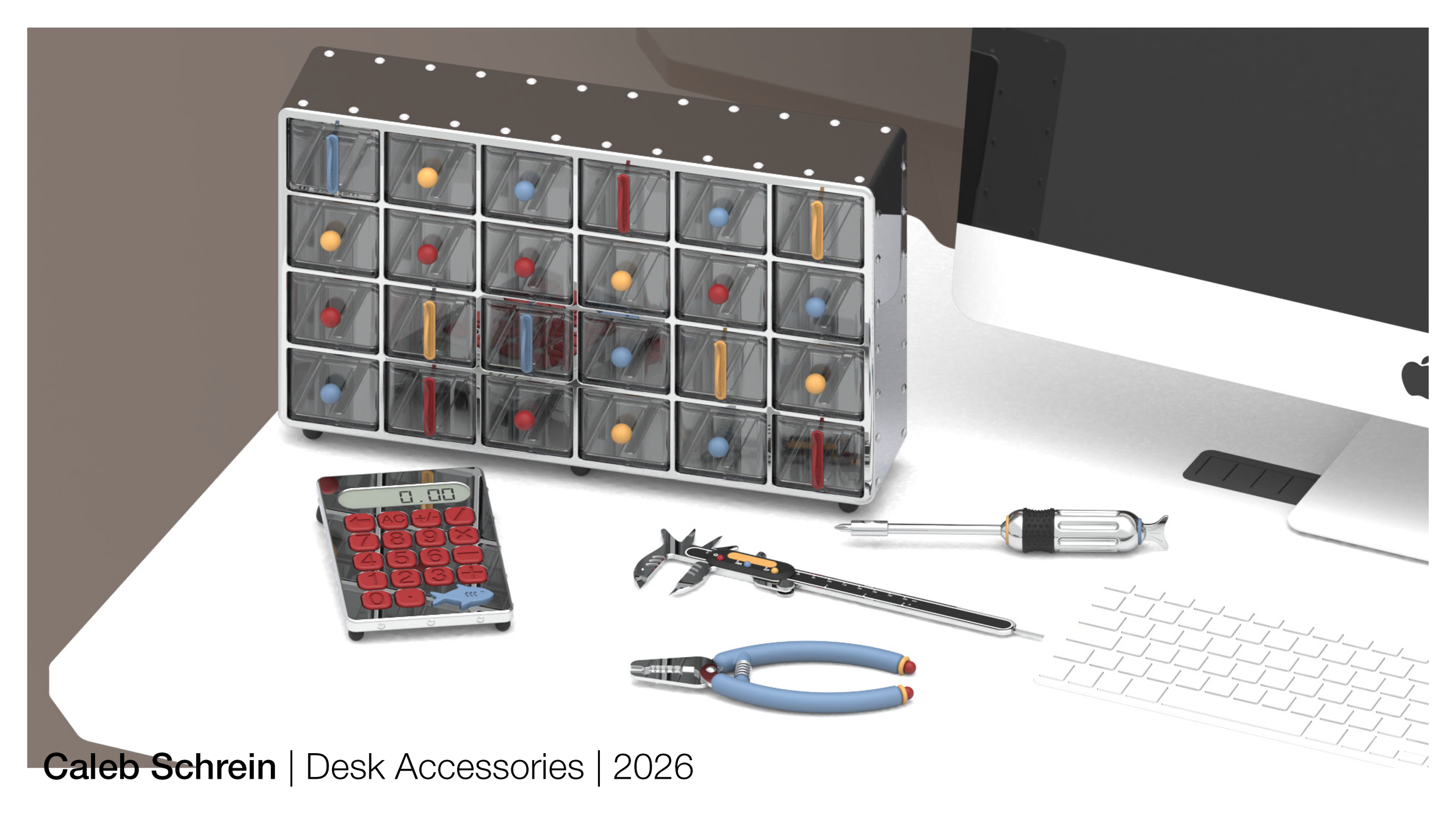
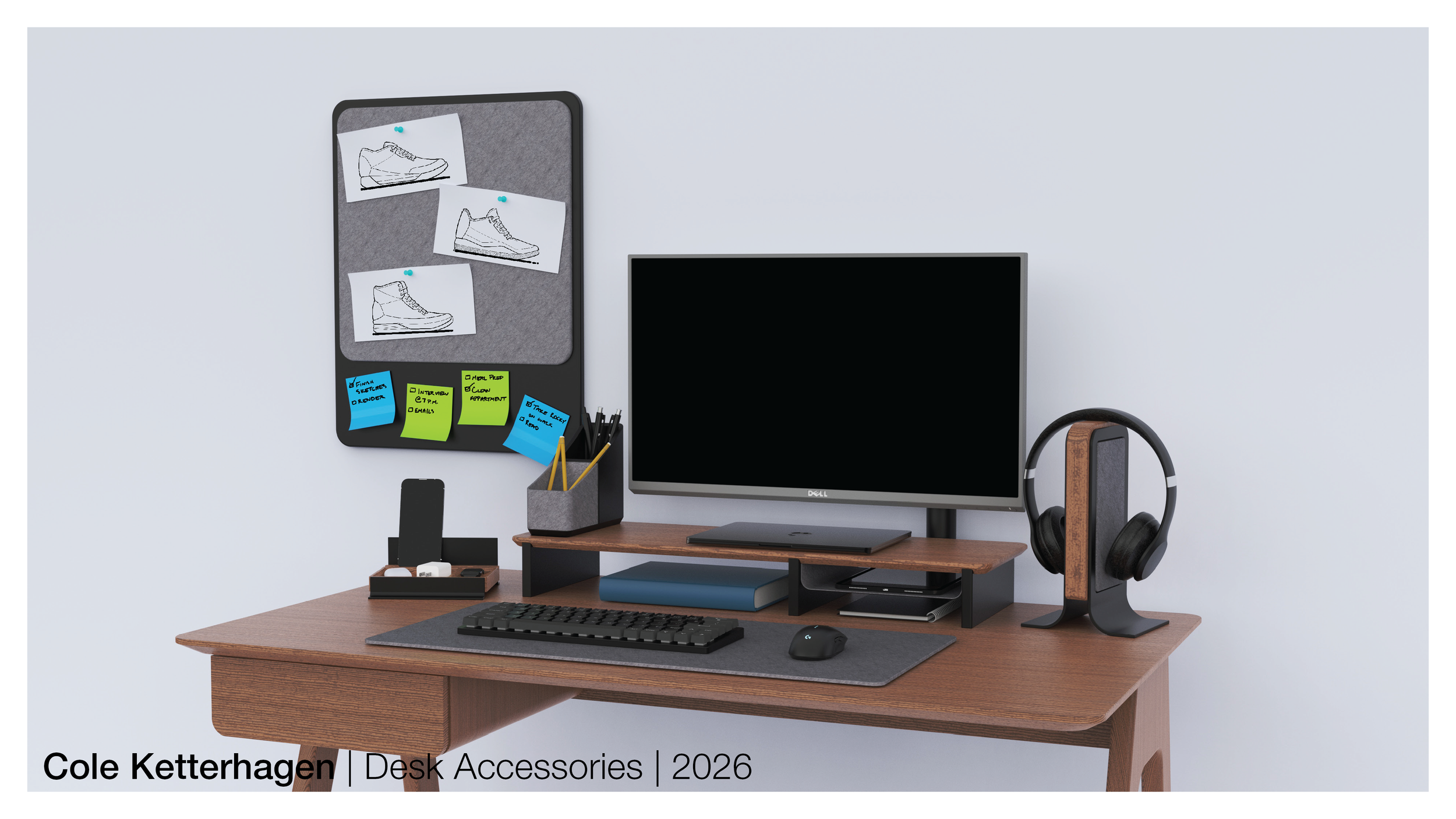
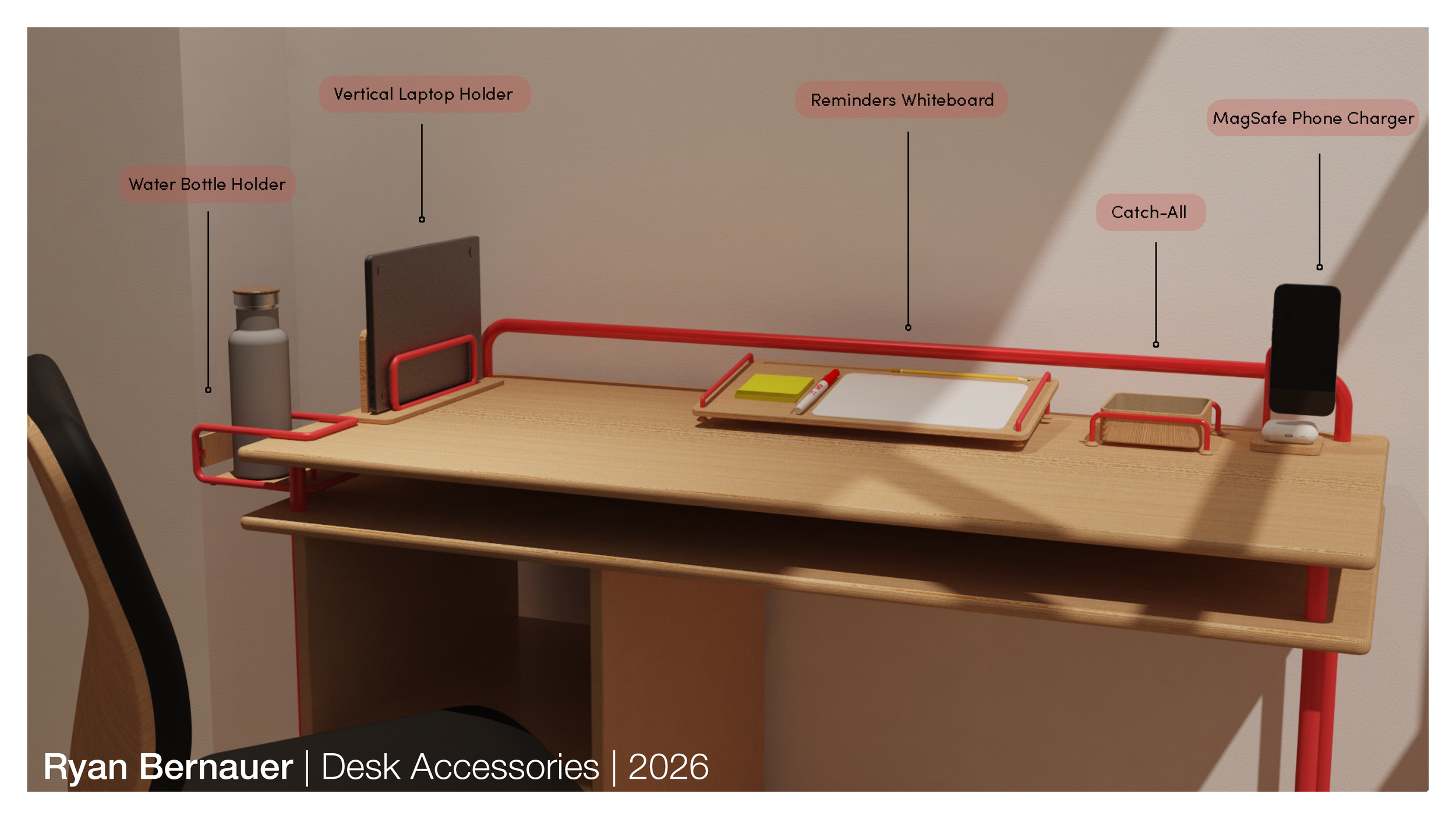
Desk Accessory Project | 4 Week Design Sprint
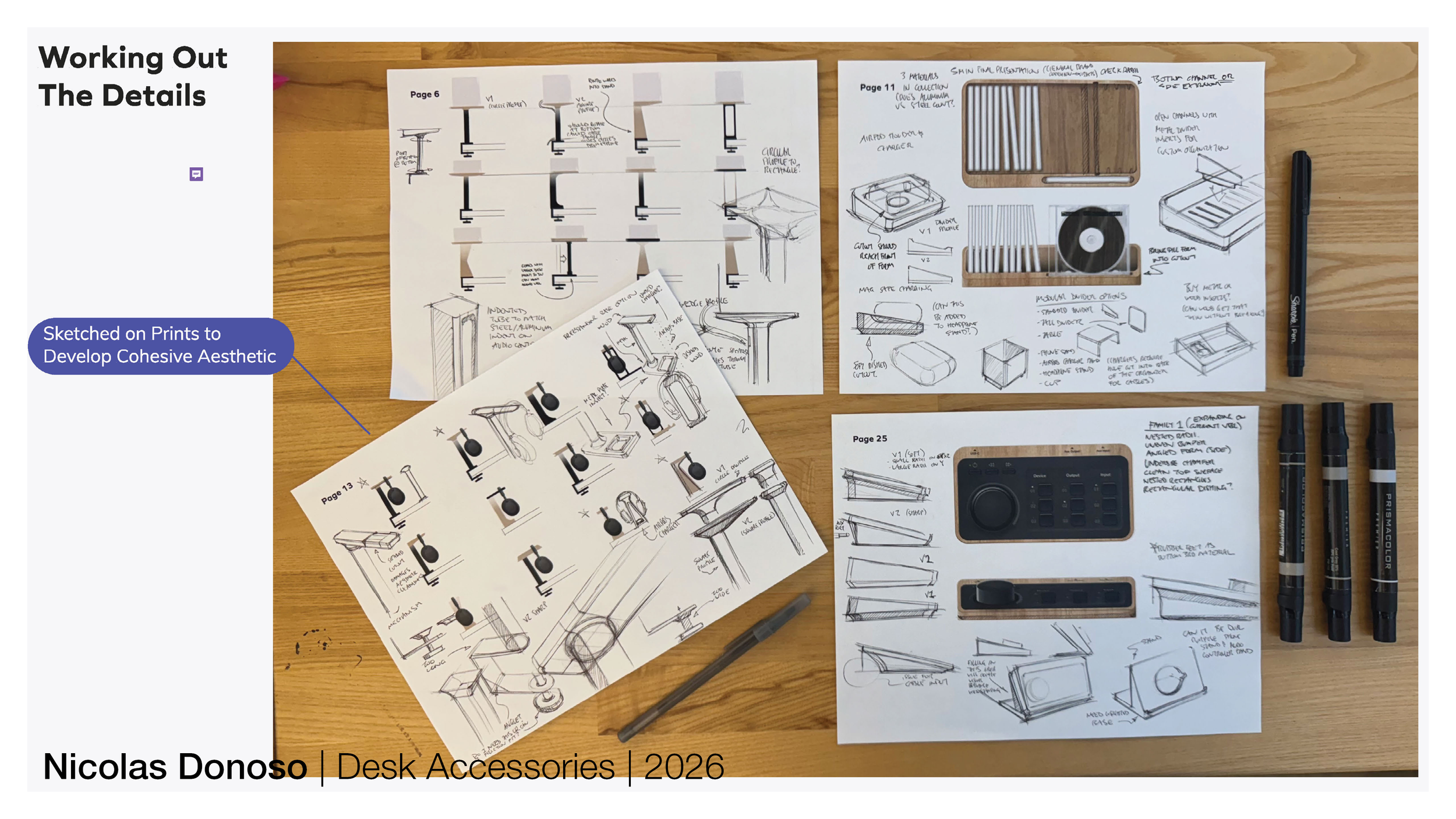
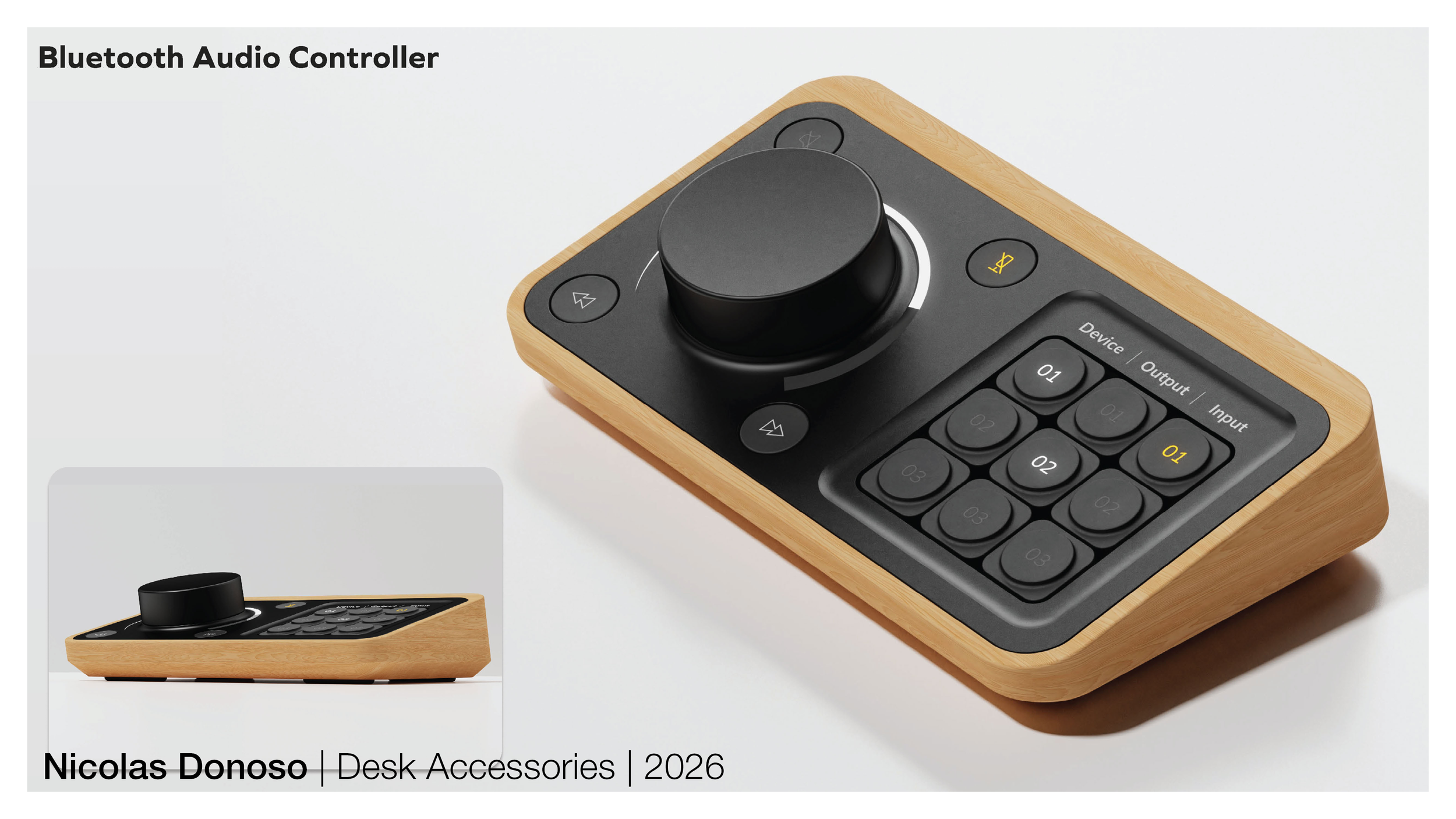
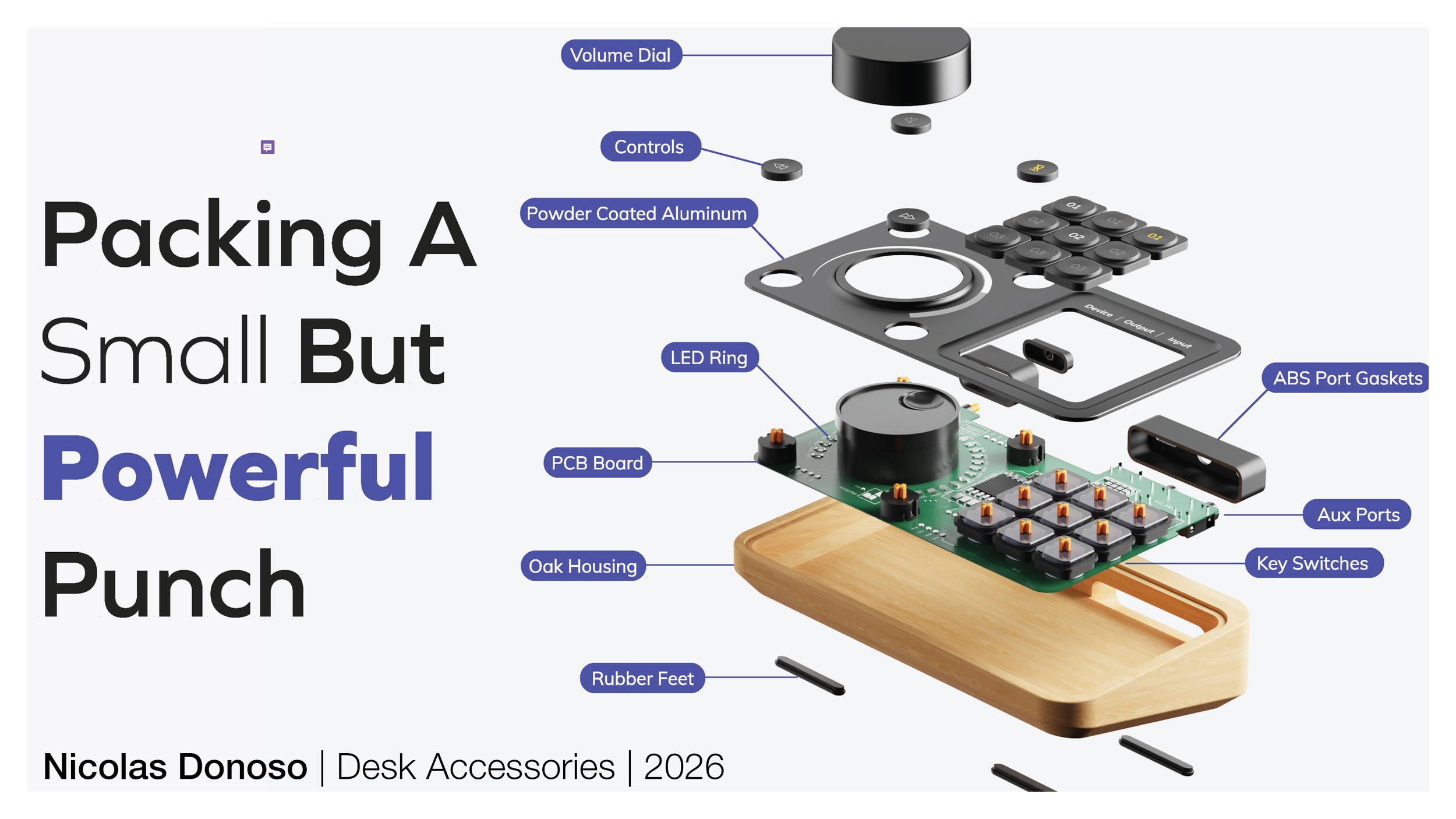
Student will design a mixed material desk accessory collection for an existing brand.
• 5 piece collection of desktop office accessories
• Collection must utilize 3 different materials and 2 items must be mixed materials
• Must be manufacturer at scale: industry standard materials and finish techniques
• All pieces should relate to one another, having a common form language built on selected brands visual brand language
Skill focus: build a collection/form family, designing for mixed material usage, design for a existing brand, CMF development, sketching, rendering, CAD, professional presentation
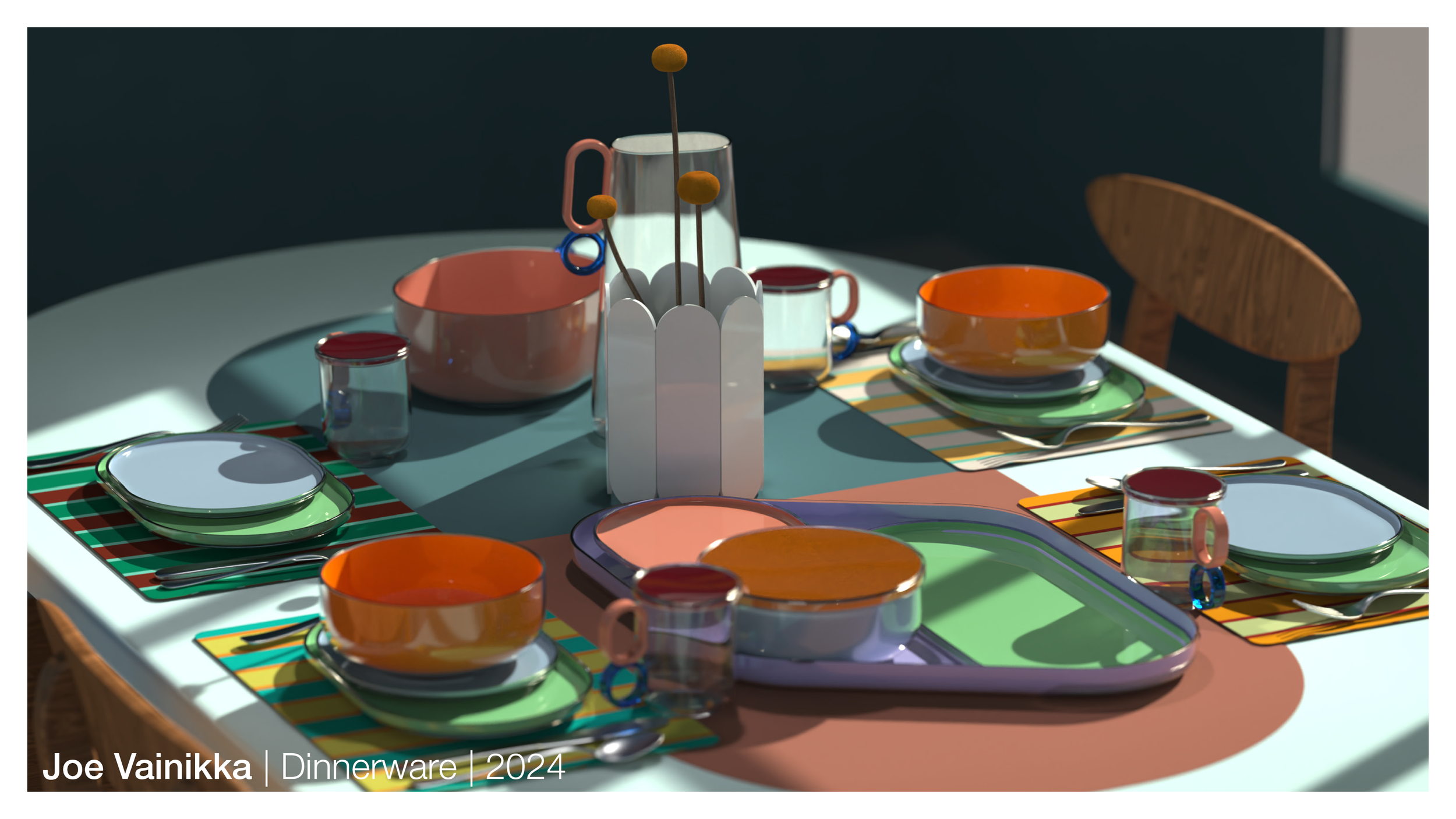
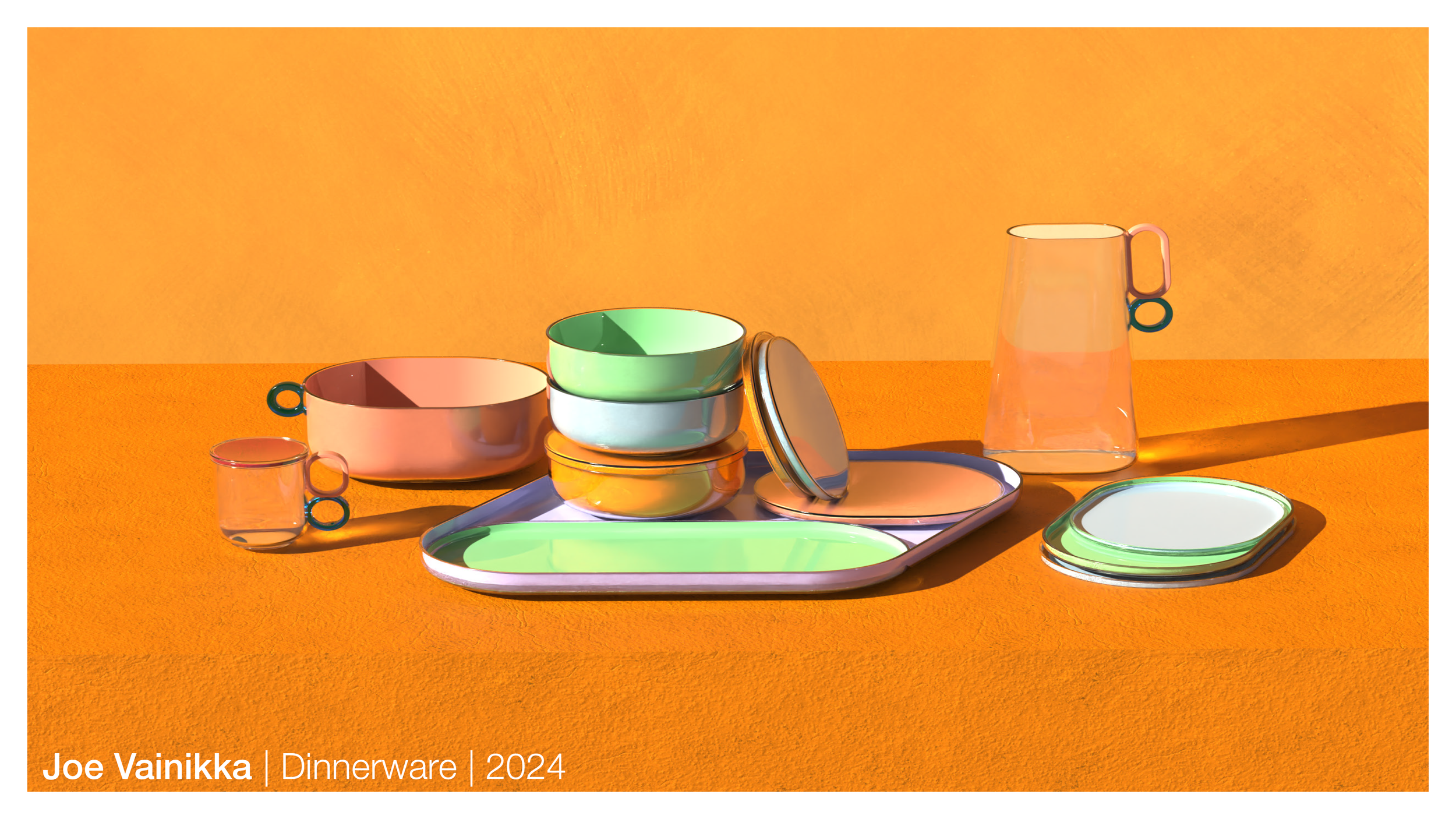
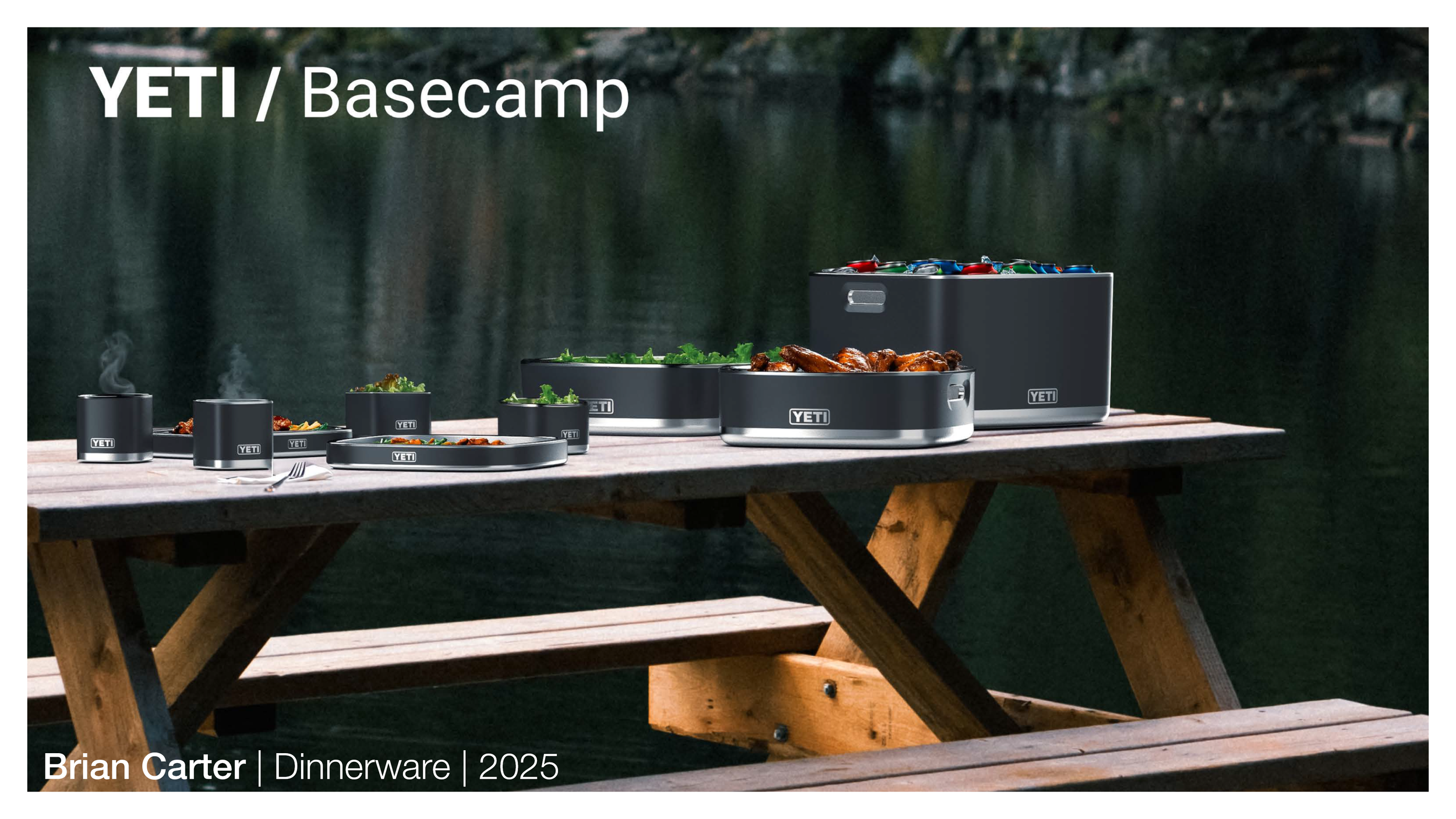
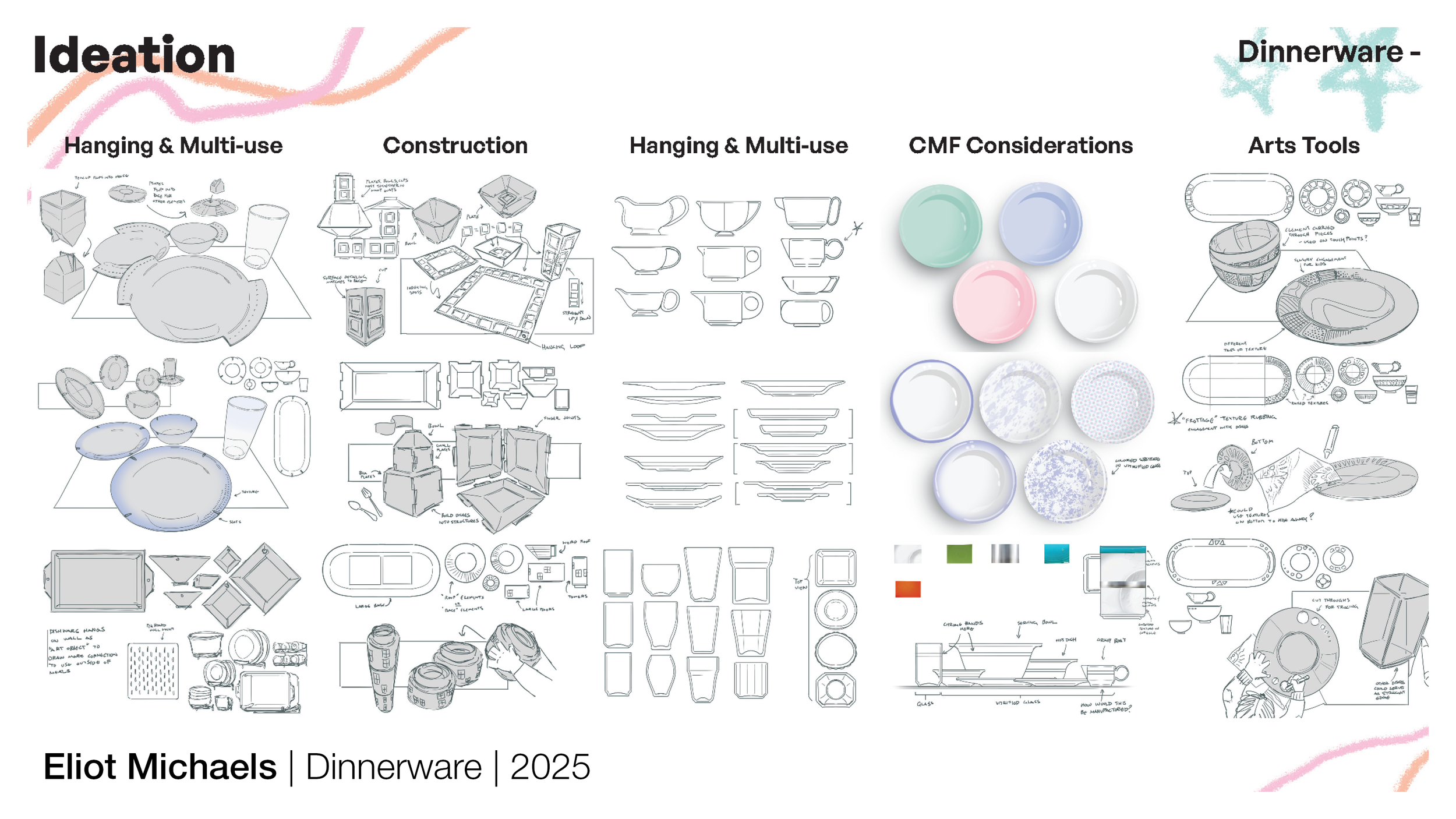
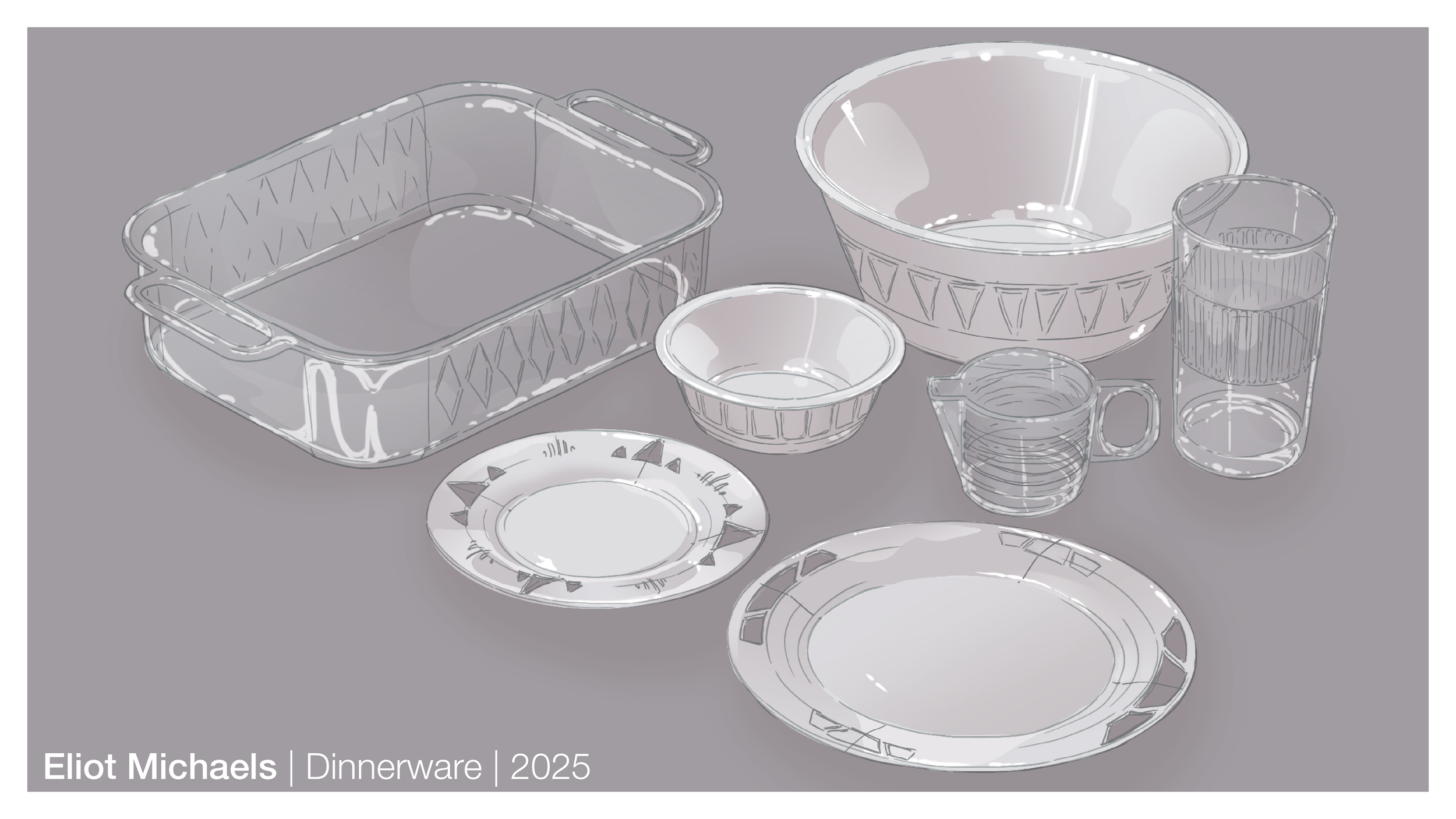
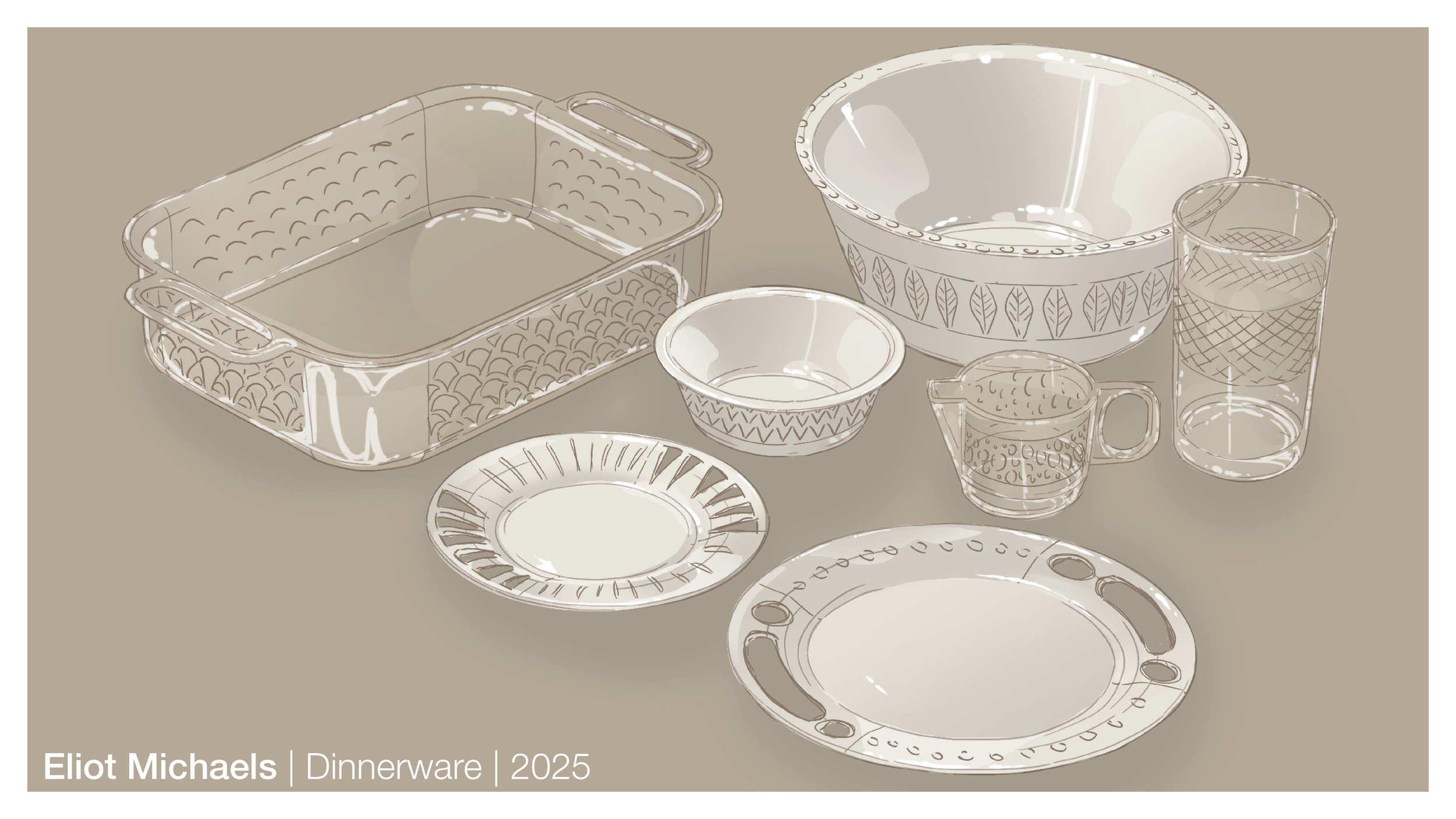
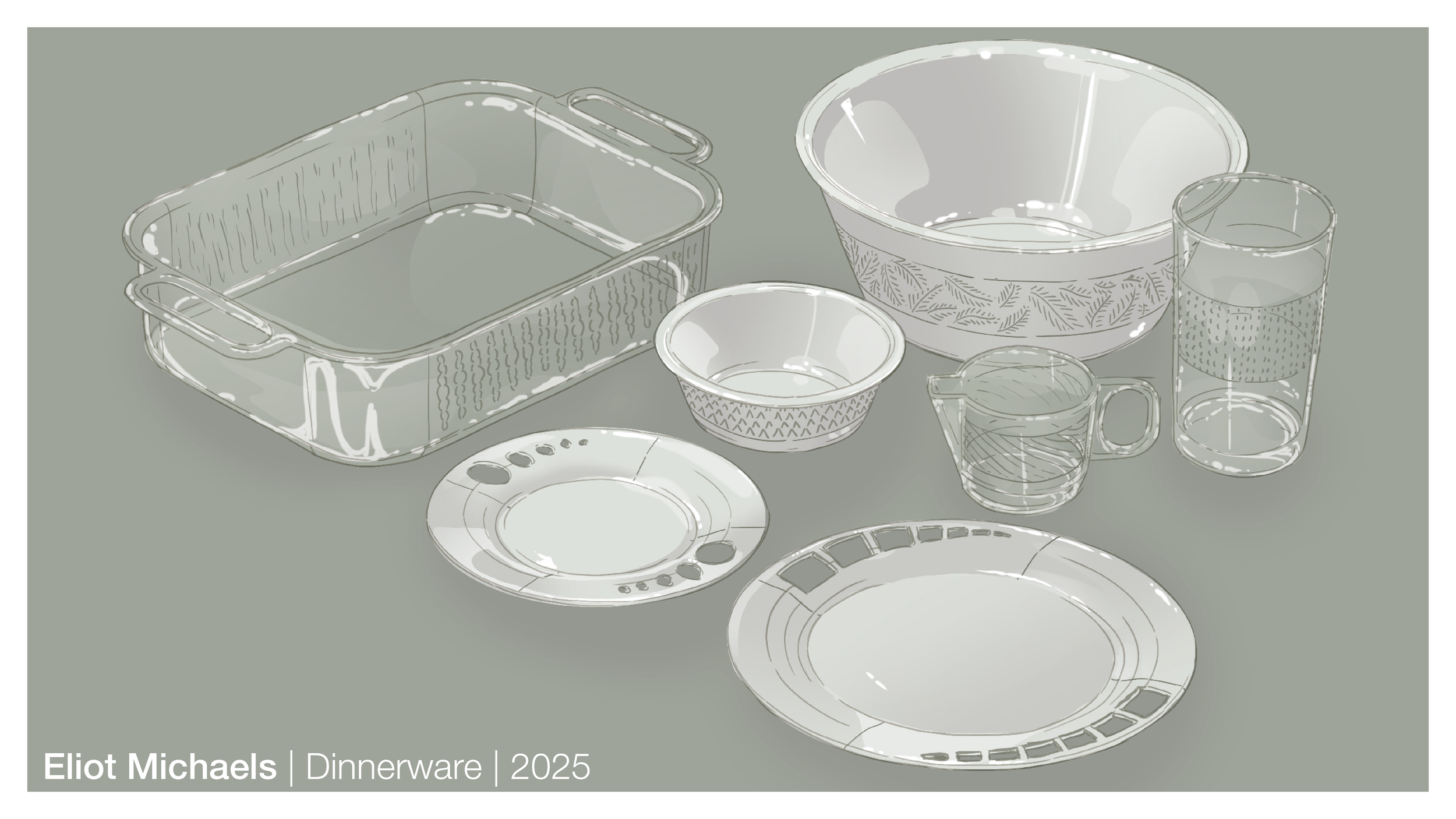
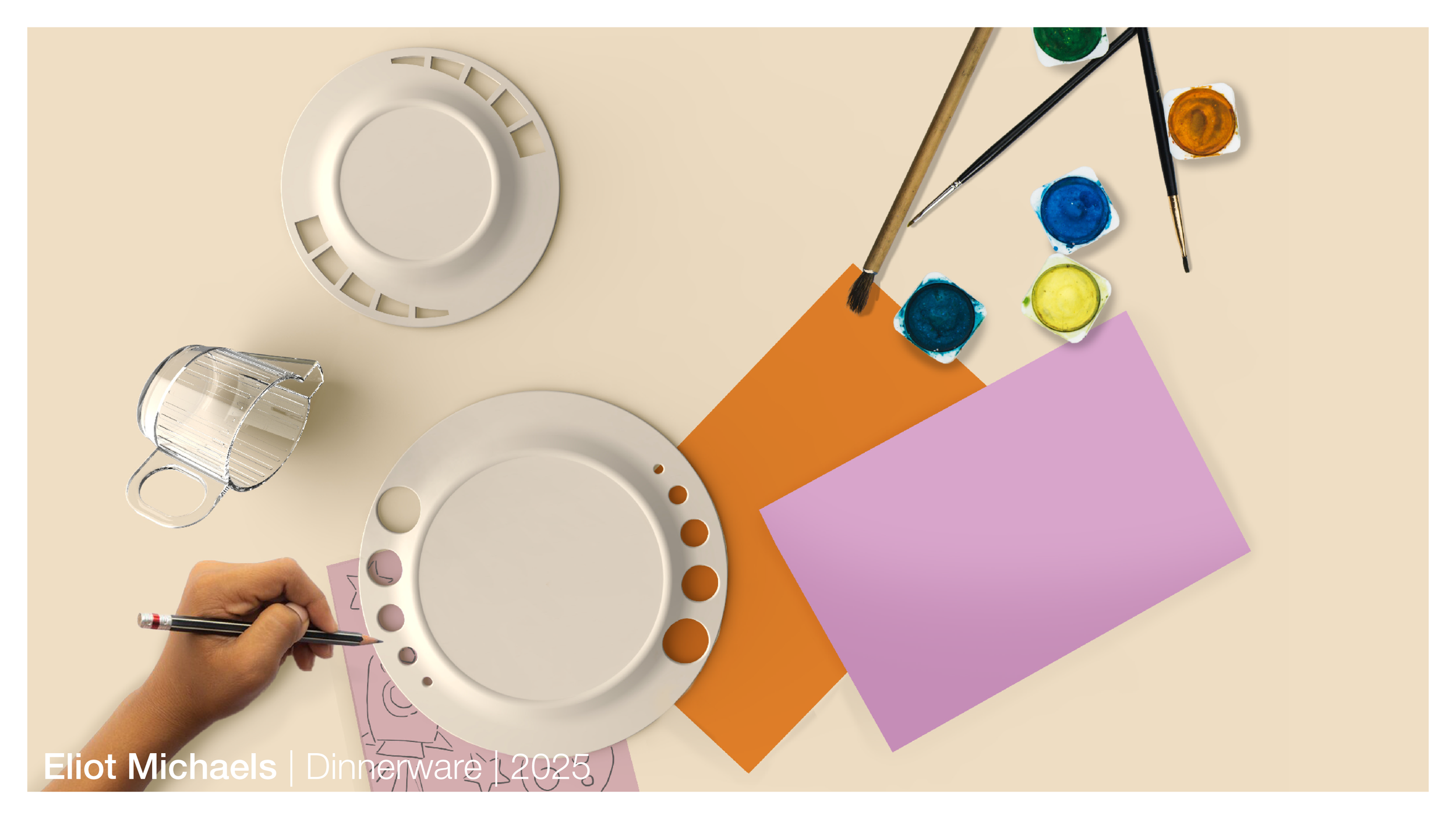
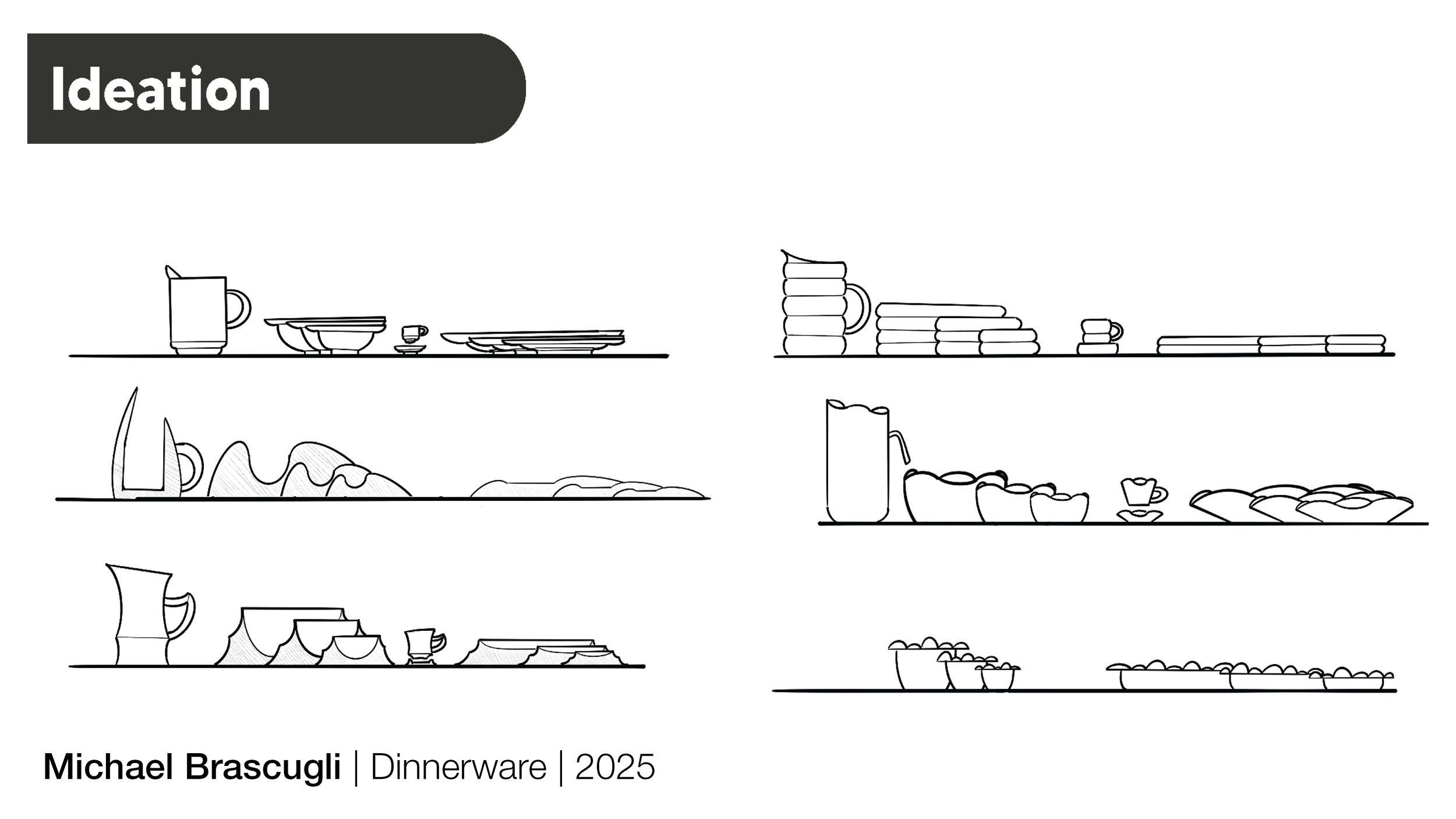
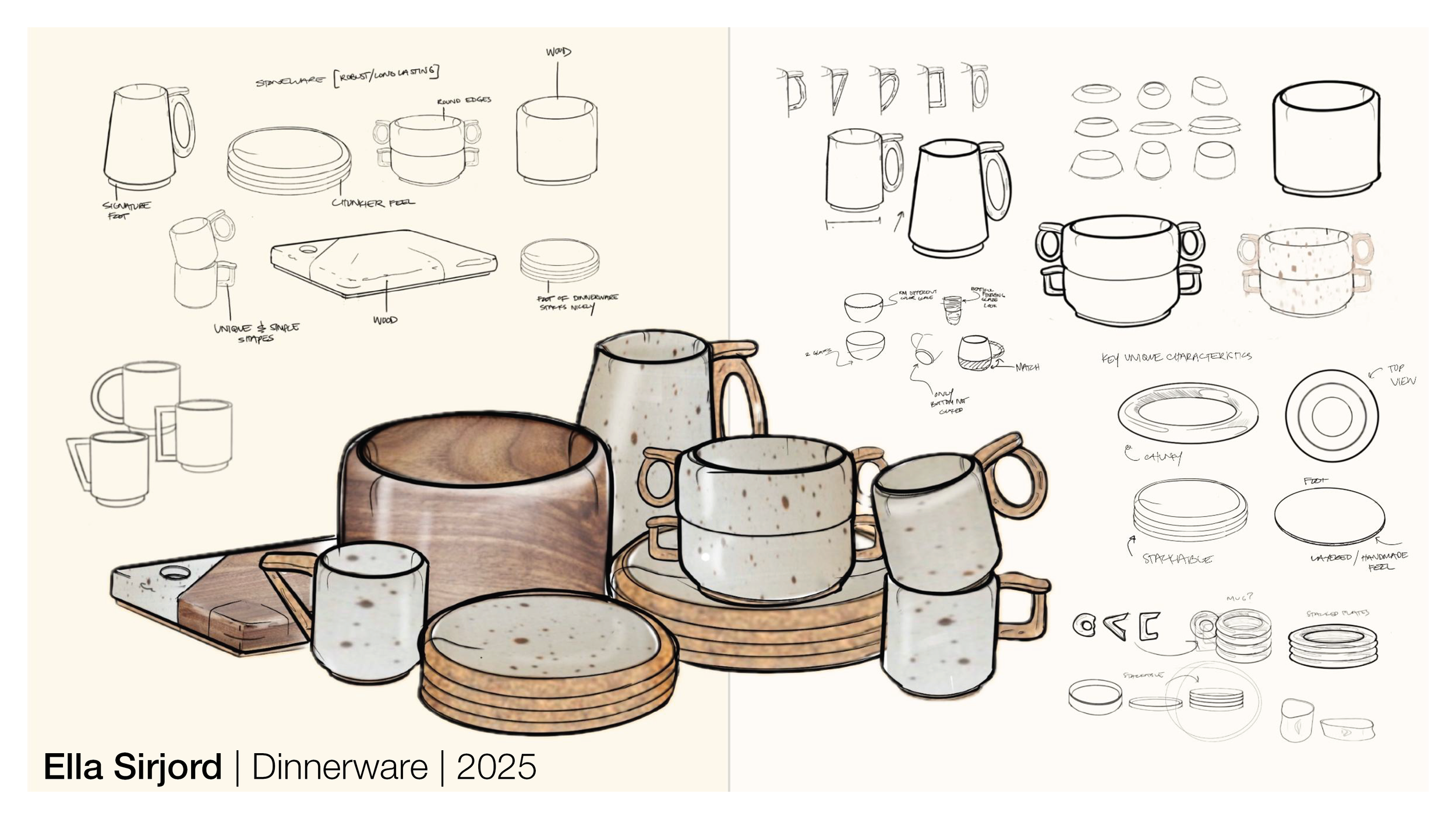
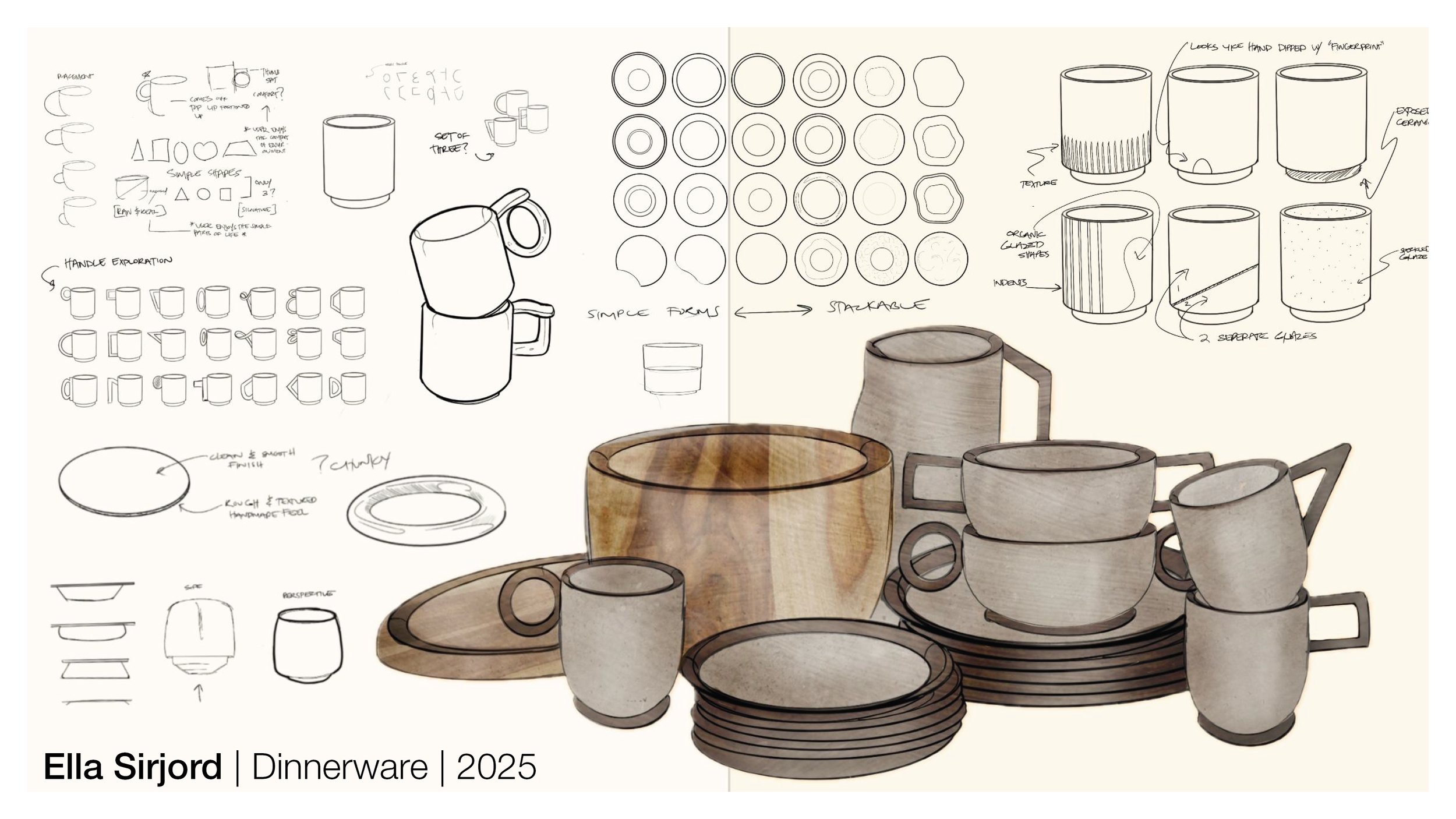
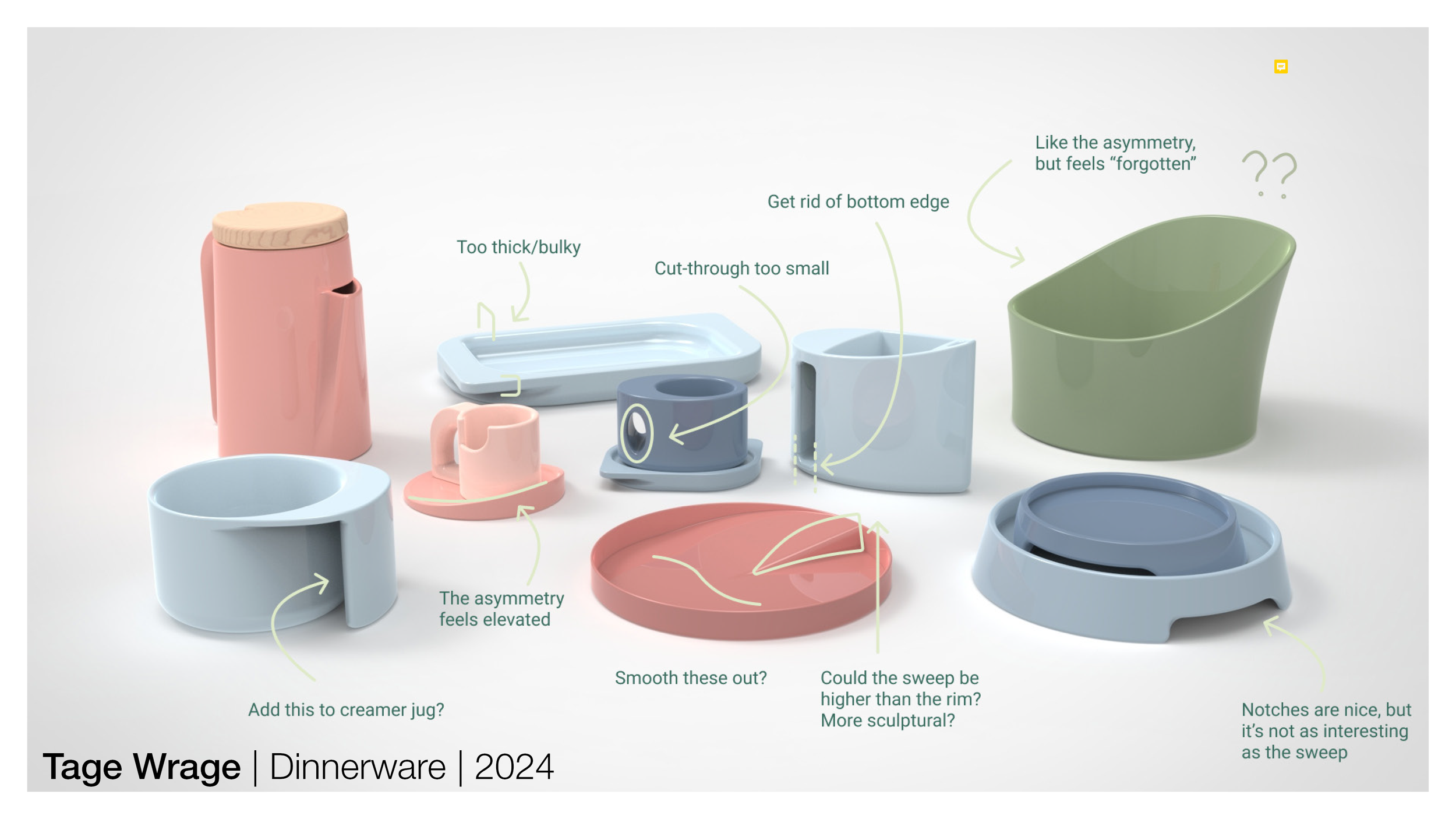
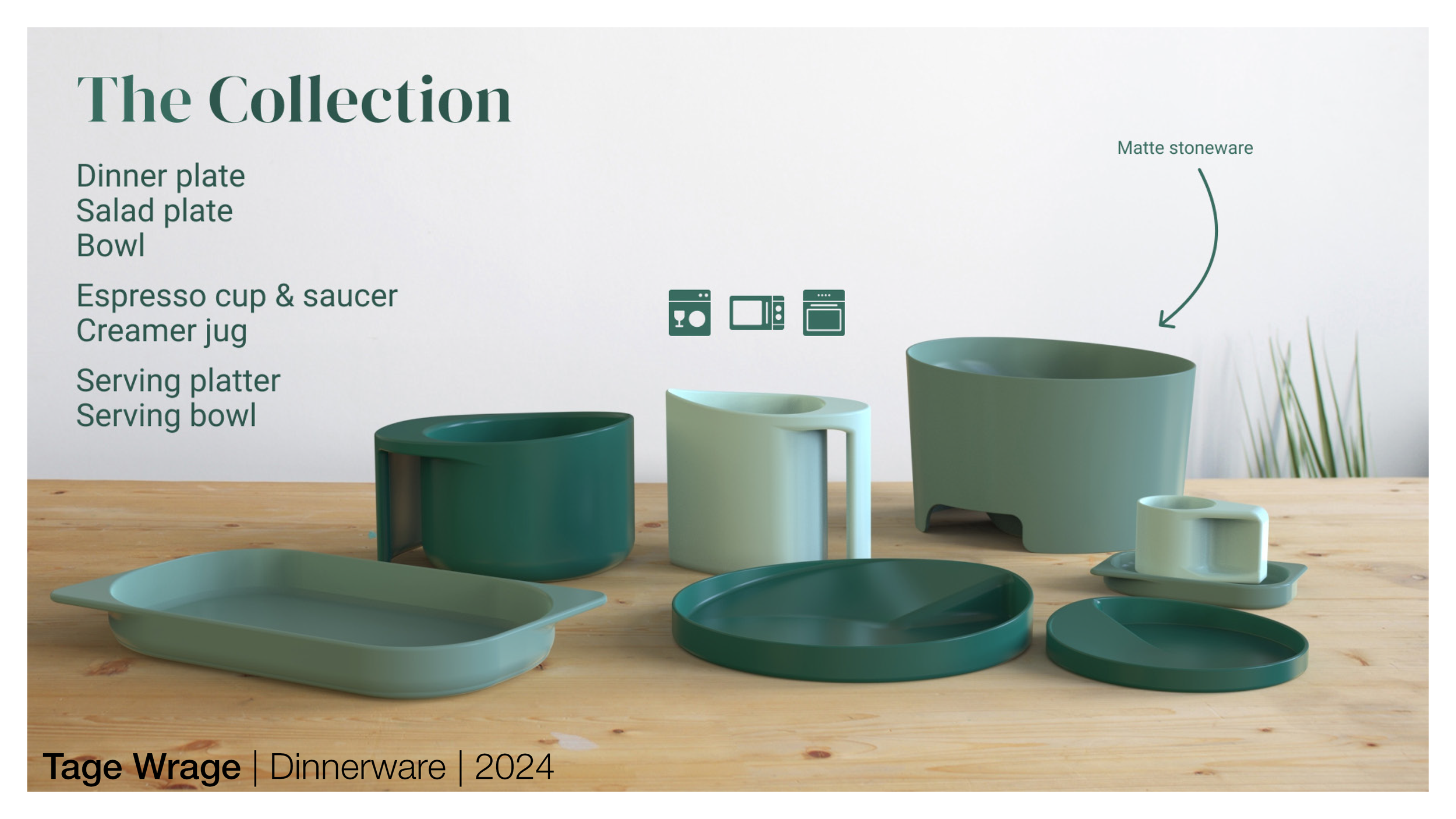
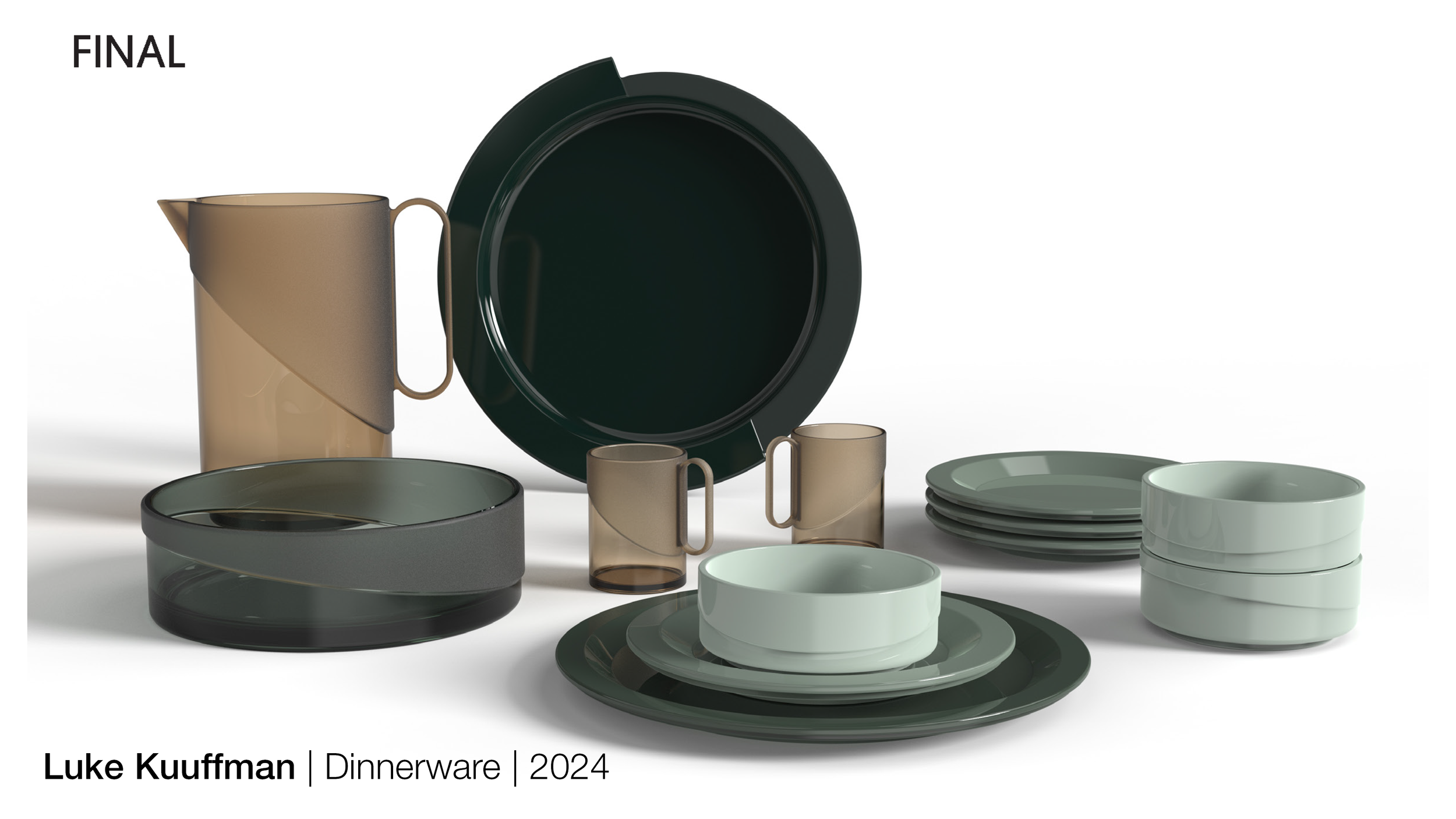
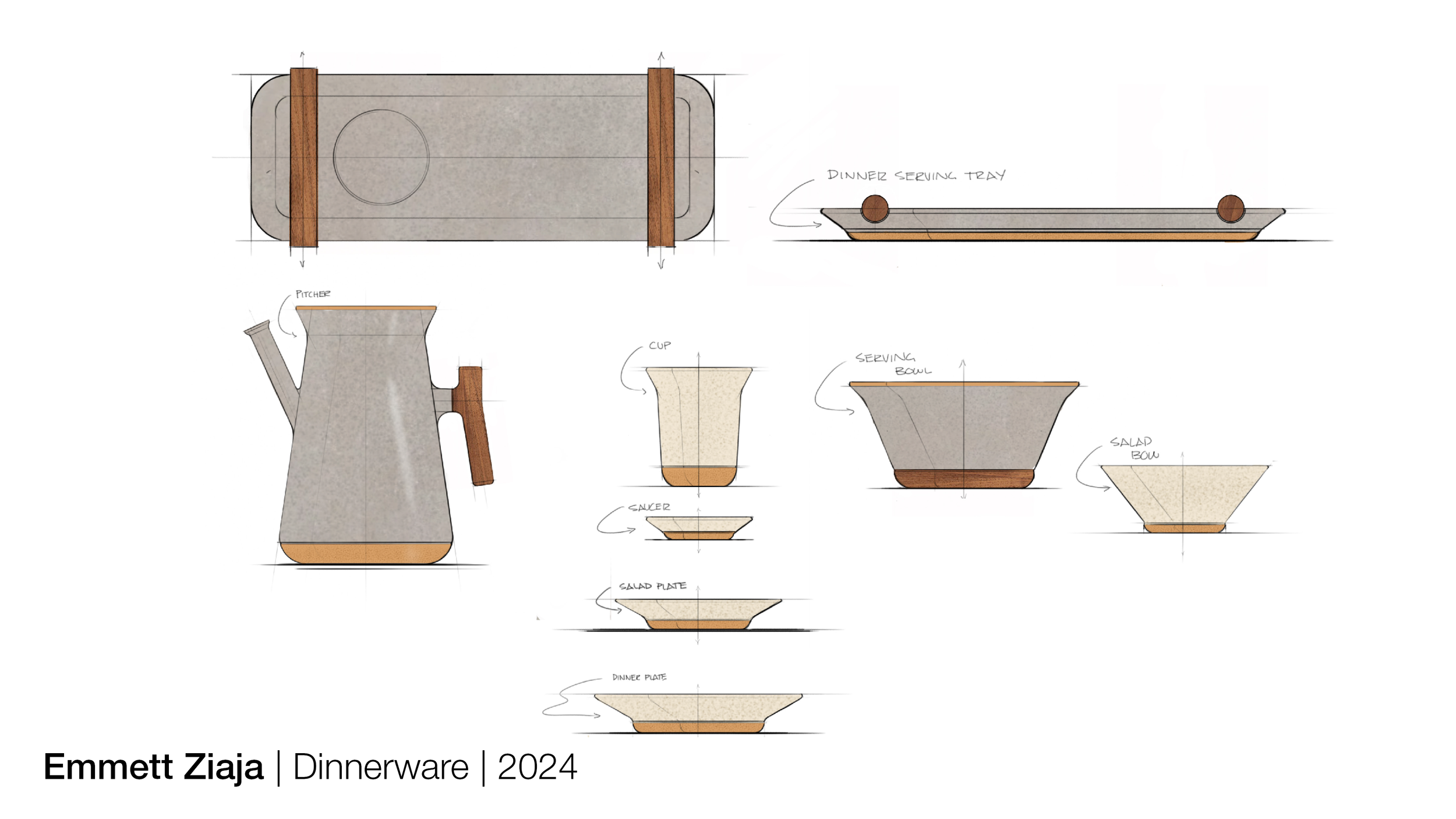
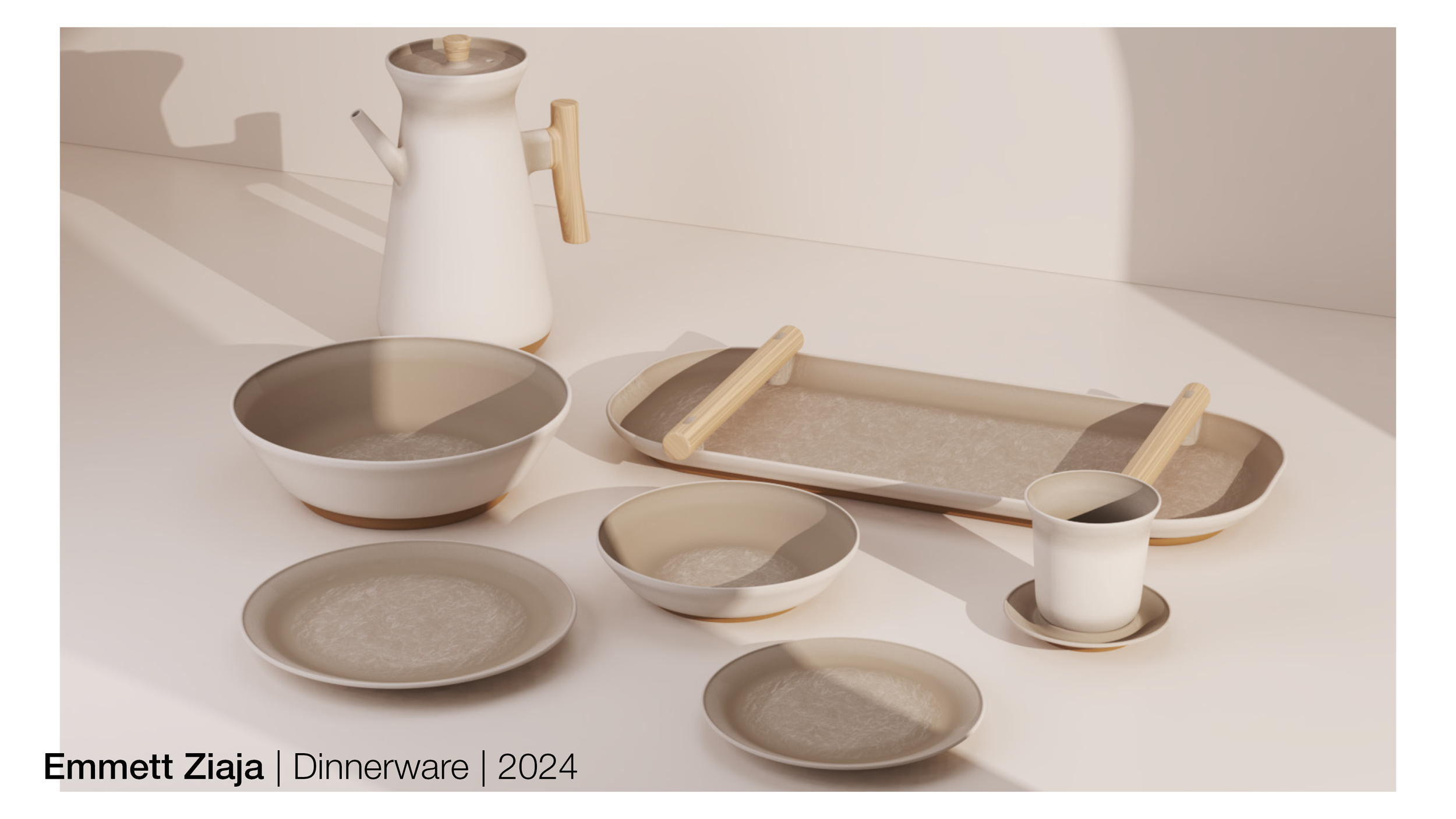
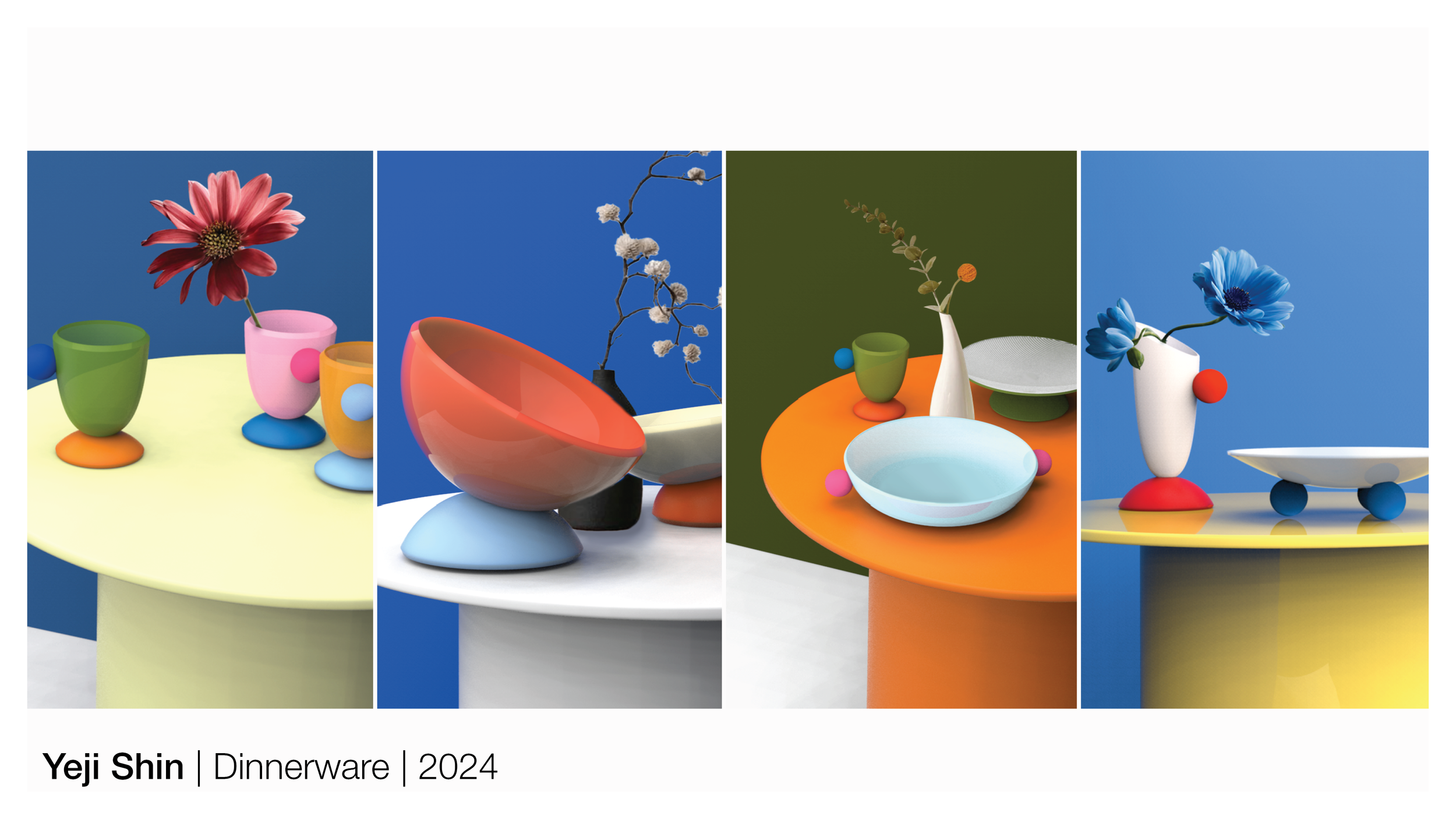
Dinnerware Project | 4 Week Design Sprint
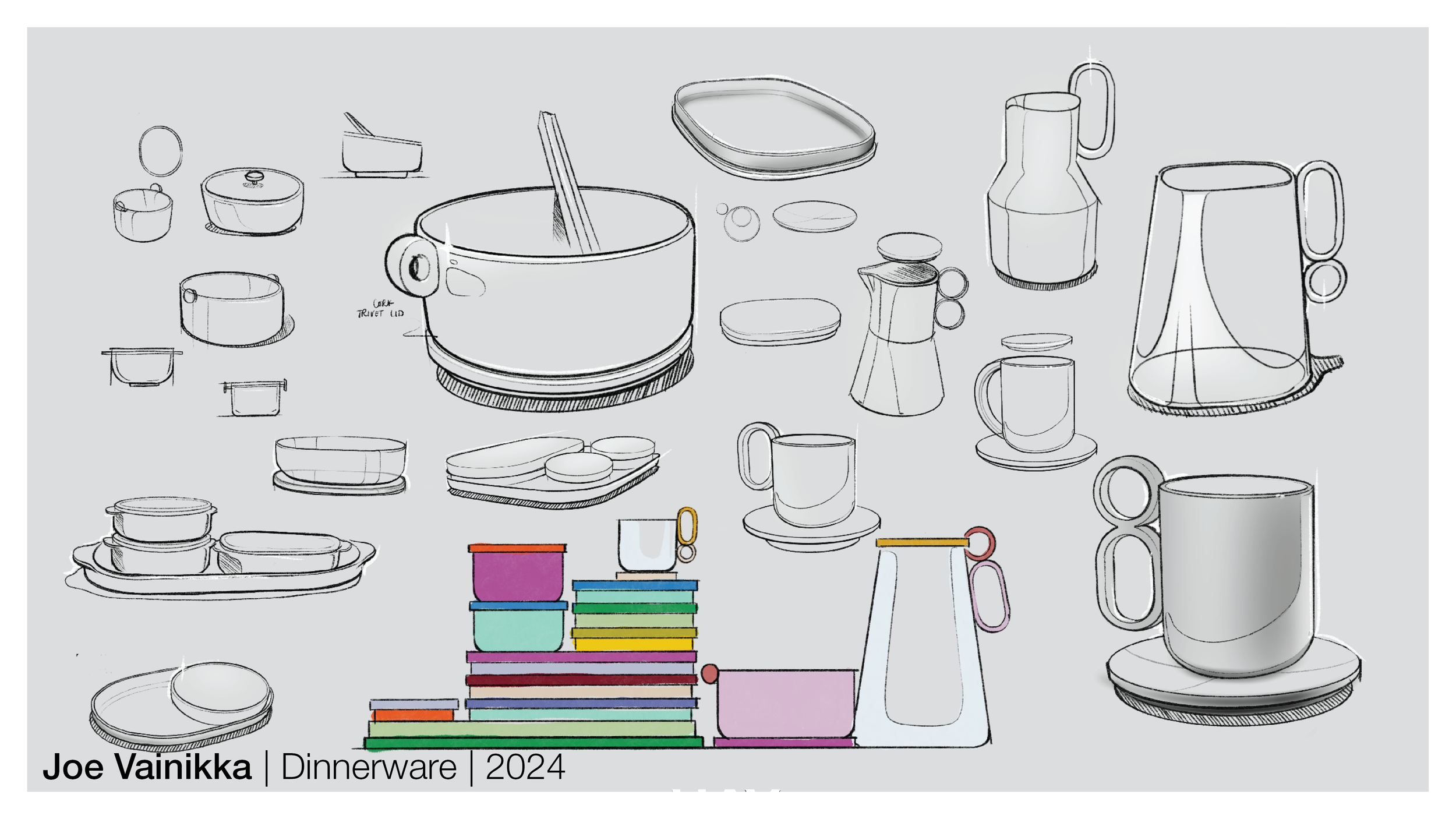
Student will design a dinnerware collection built on a form family.
• Must contain the following items: dinner plate, salad plate, tea cup/saucer, bowl, serving plater, serving bowl and pitcher/gravy boat
• Must be manufacturer at a mass scale: moldable, industry standard materials and use industry finish techniques
• All pieces should relate to one another, having a common form language built around them
Skill focus: build a collection/form family, emotional form building, CMF, marketplace insights, storytelling, and professional presentation
PDES 3771: Studio 3 | University of Minnesota | College of Design
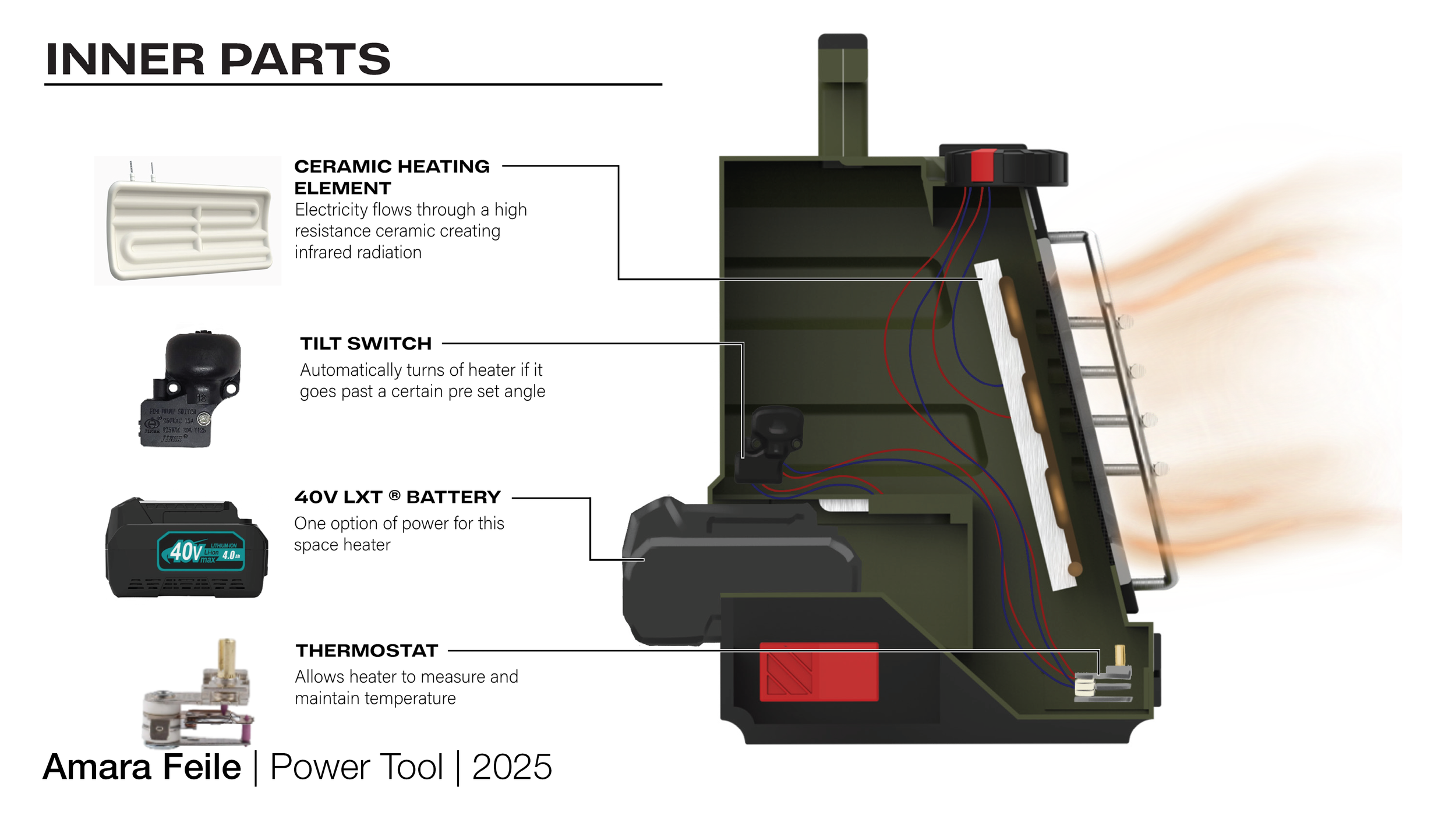
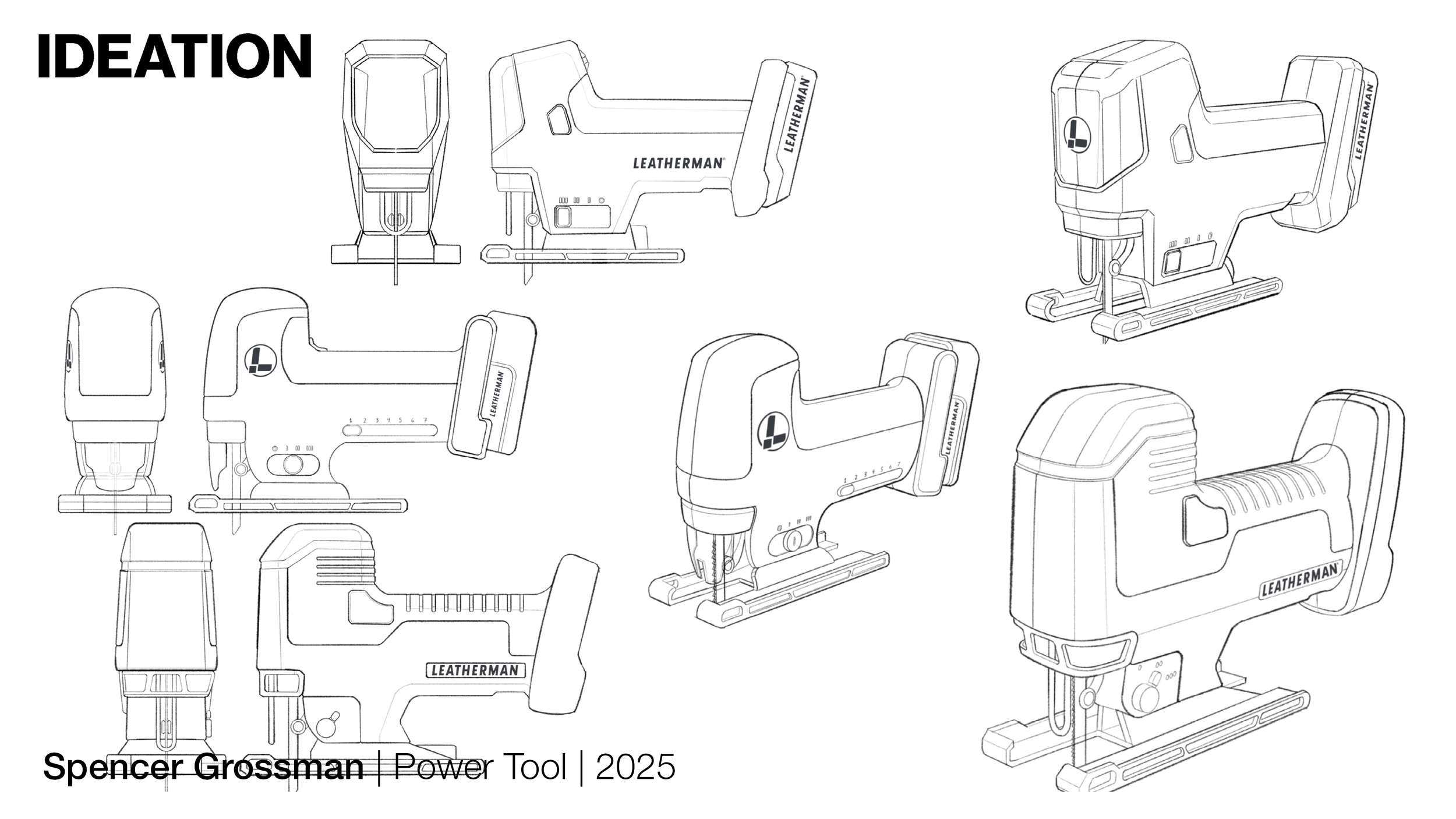
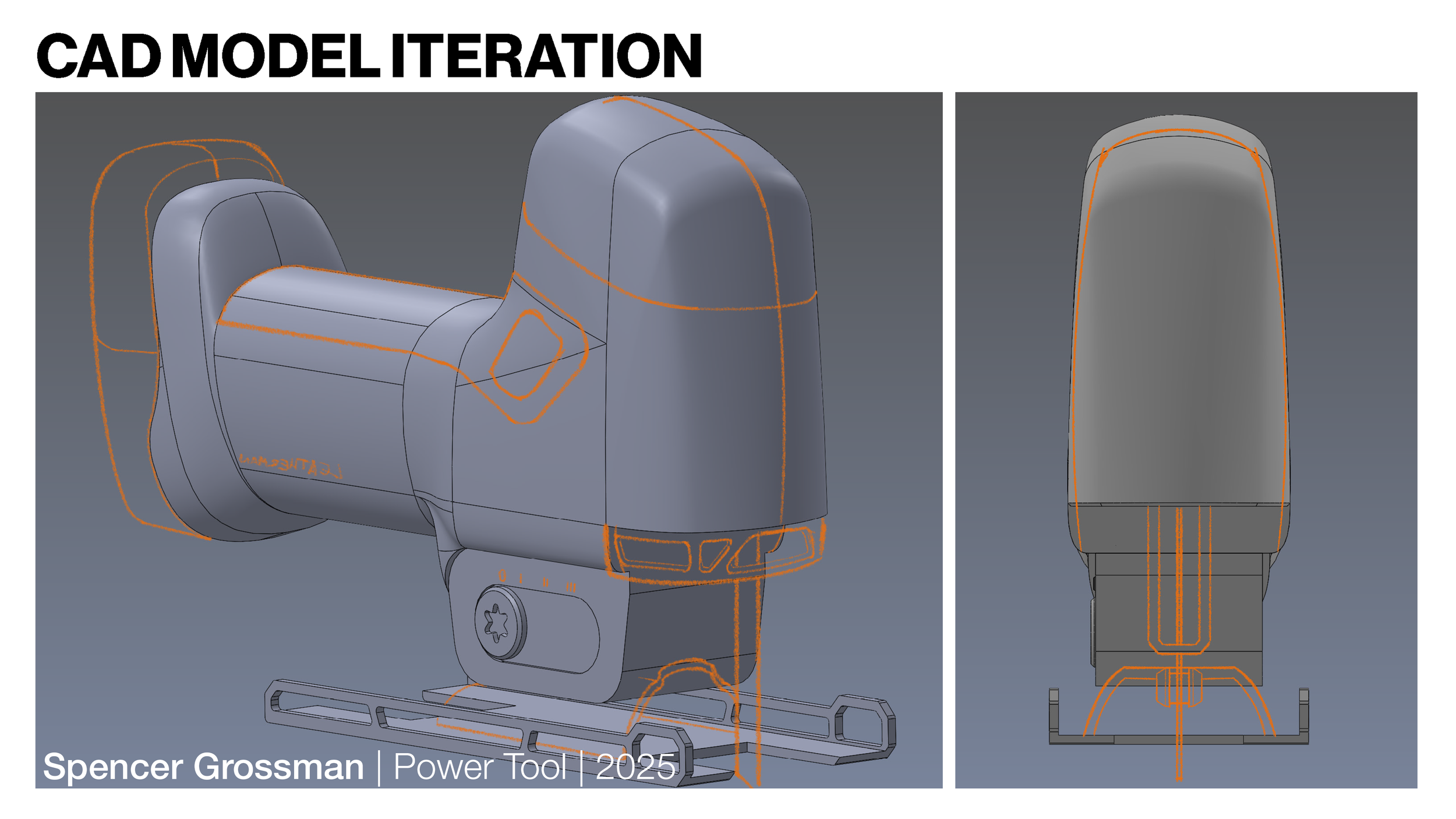
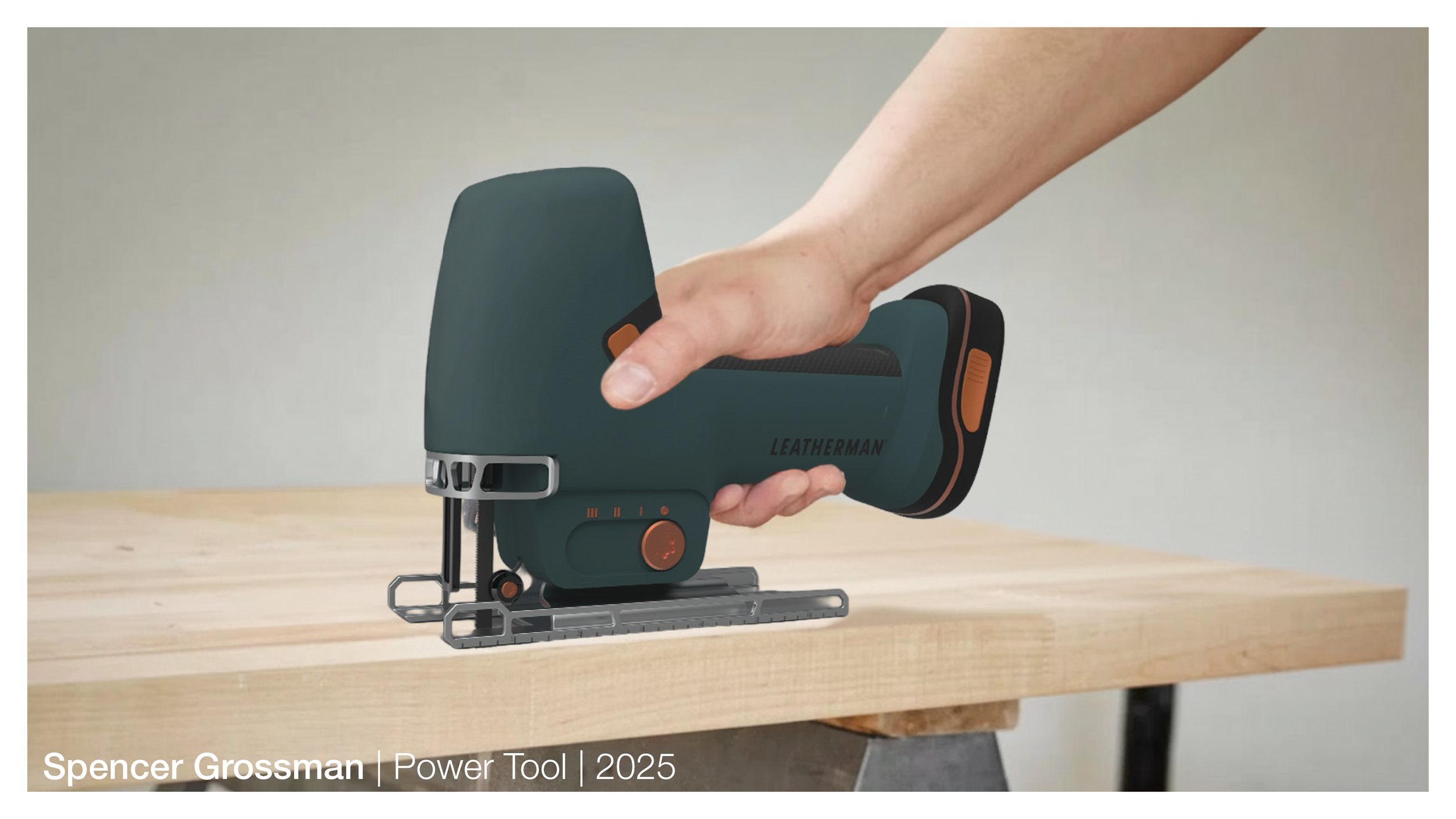
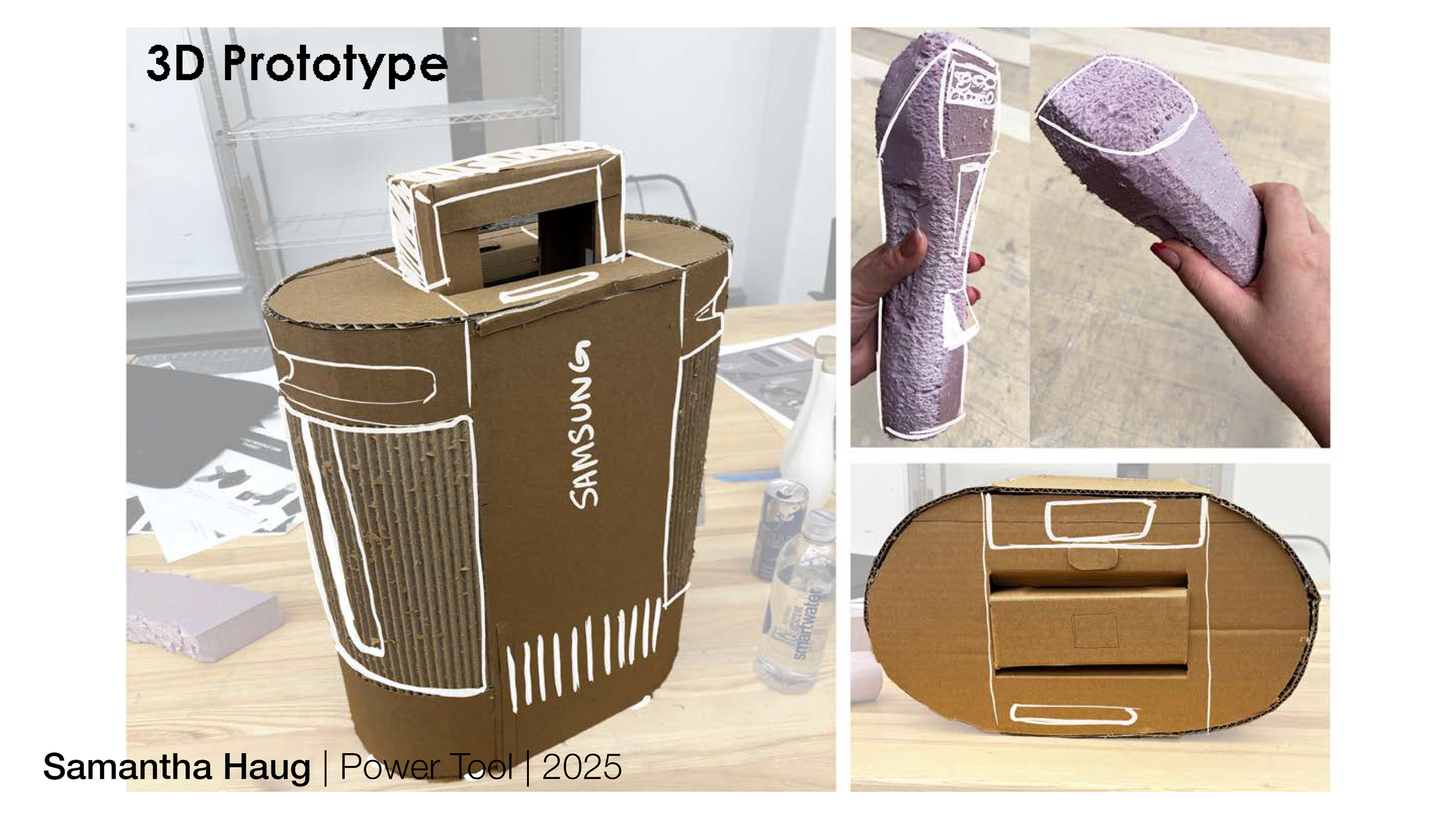
Third studio class for product design majors that explores form development. Areas of focus: Designing around internal components, InDesign, visual communication, form development, color/material/finish, designing for a brand, storytelling, and physical prototyping.
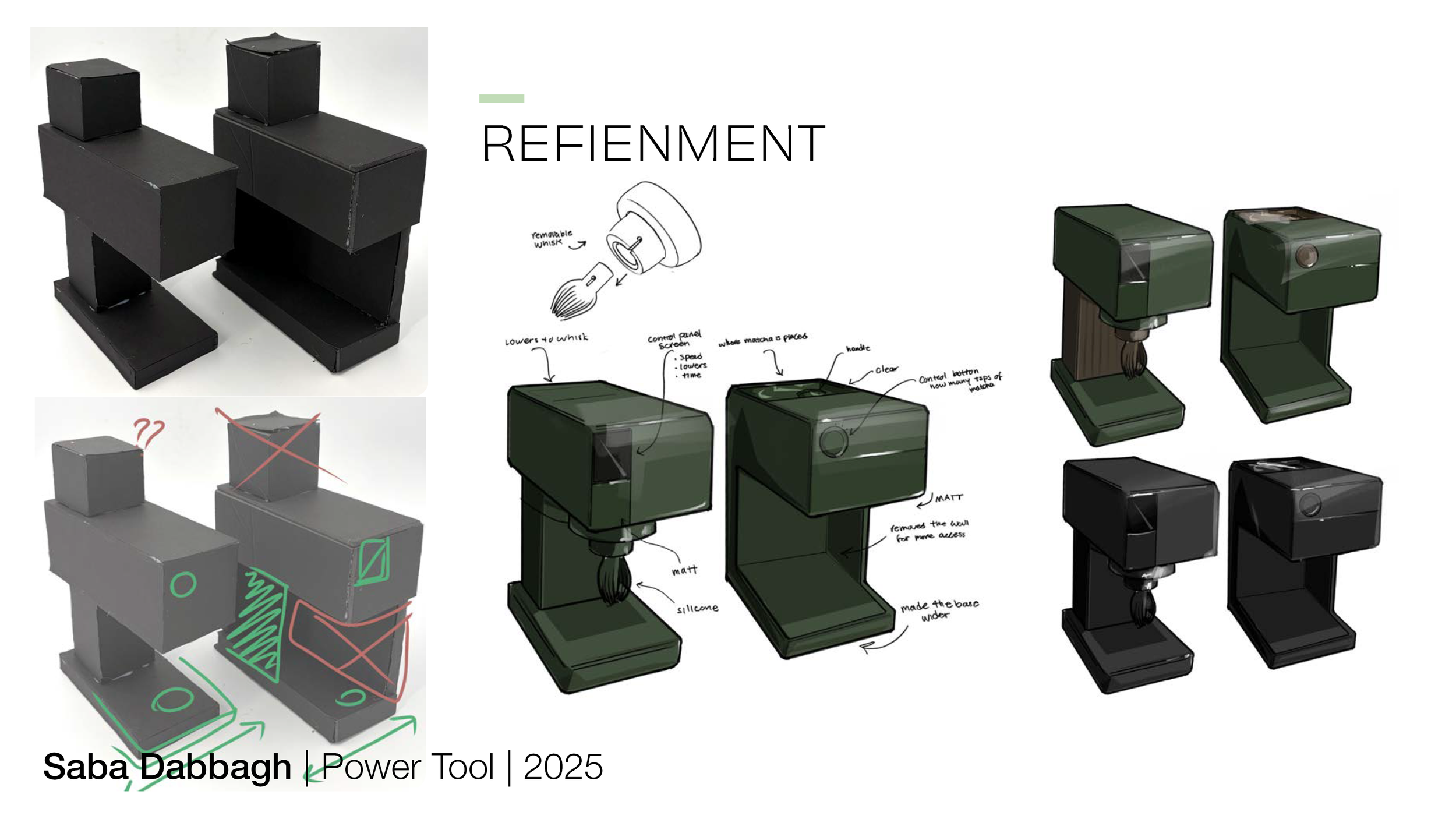
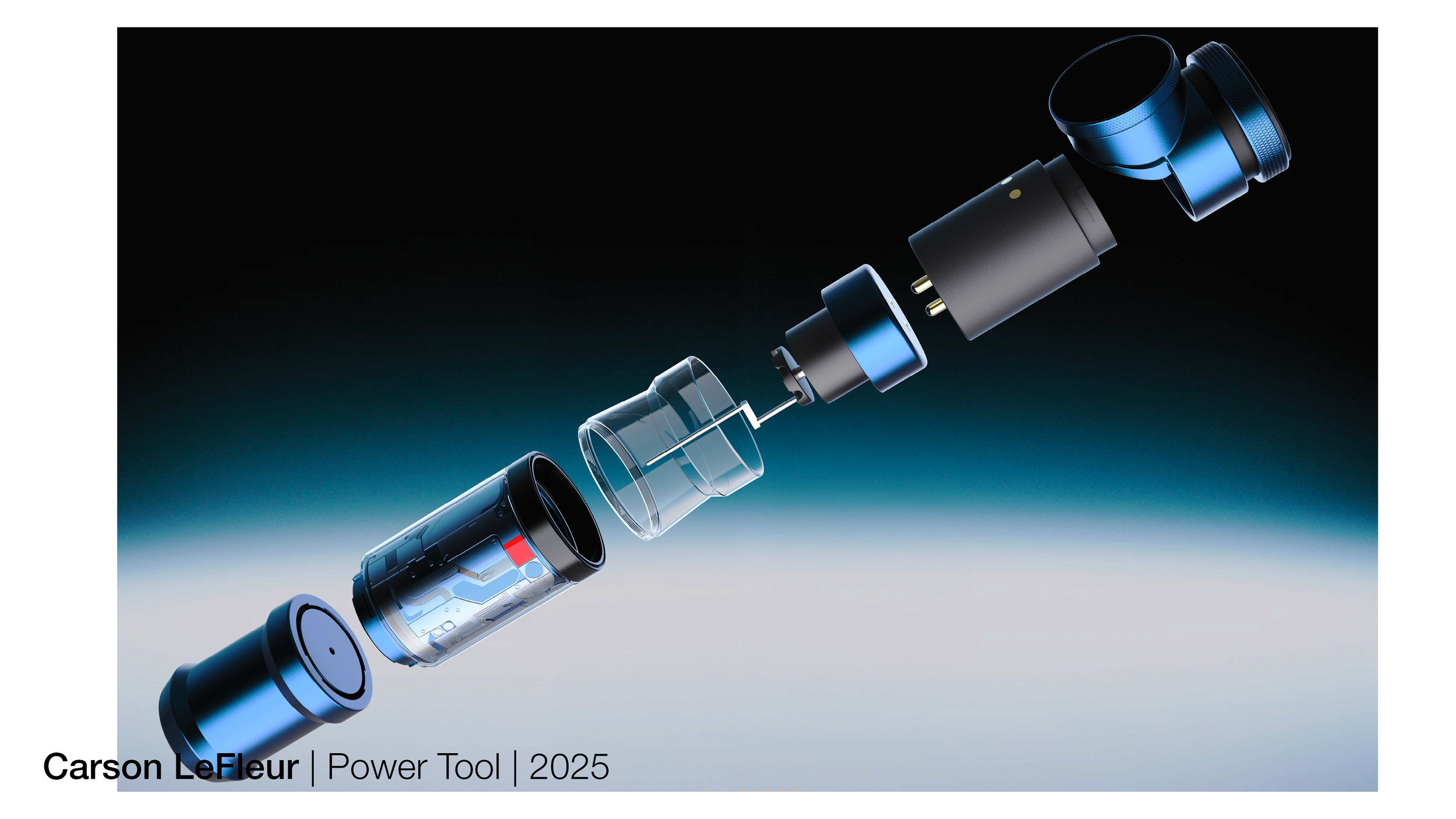
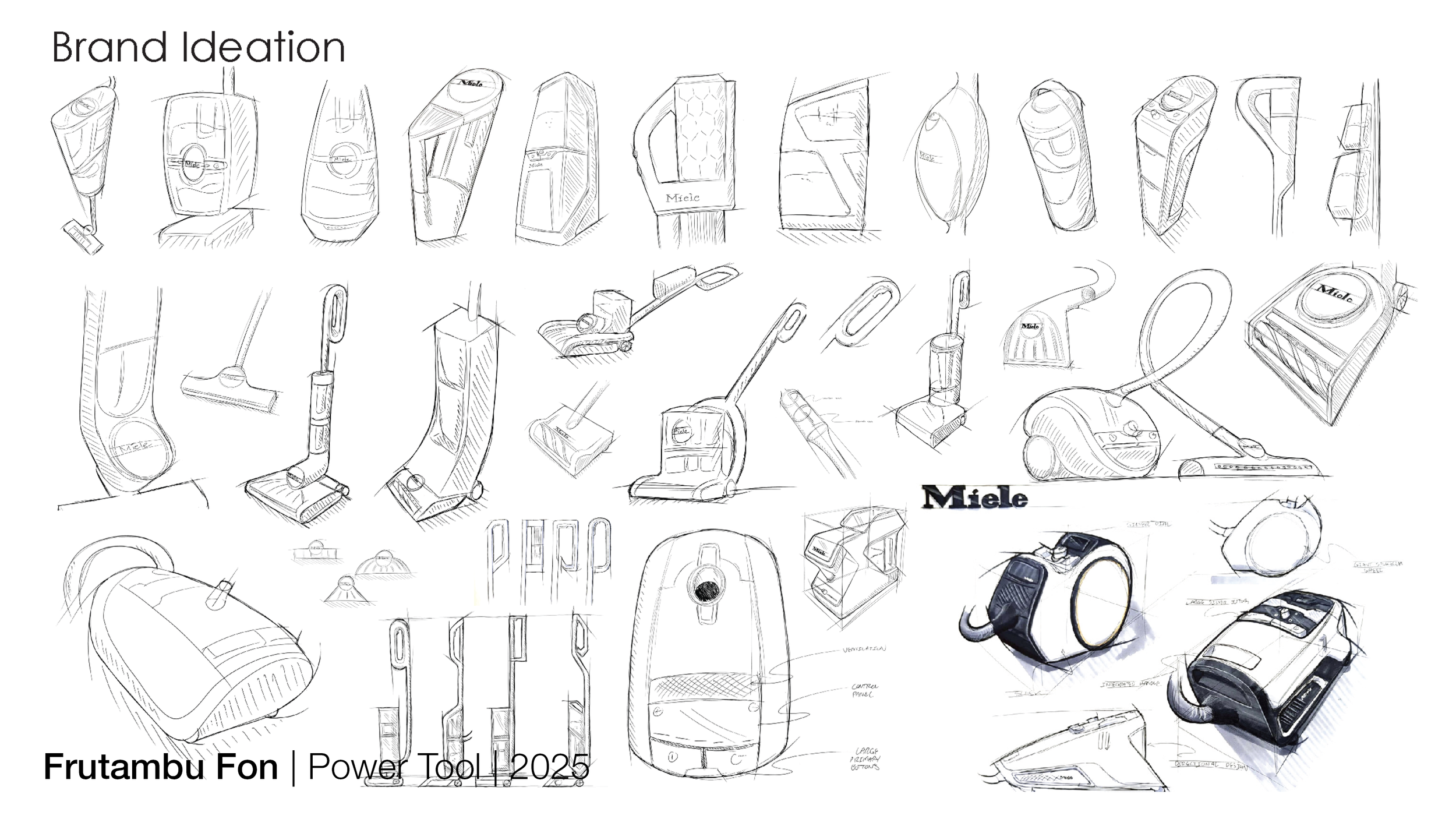
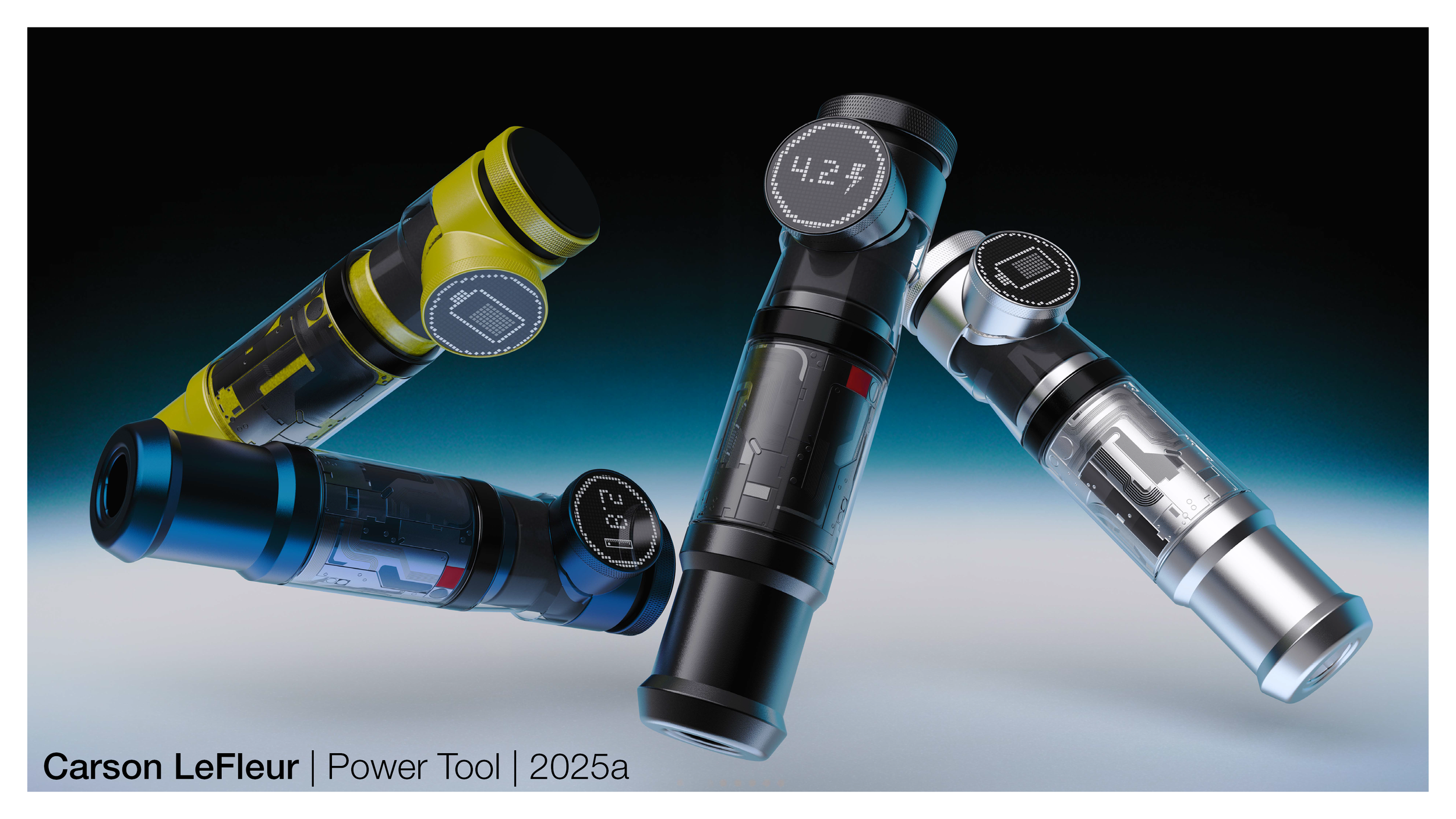
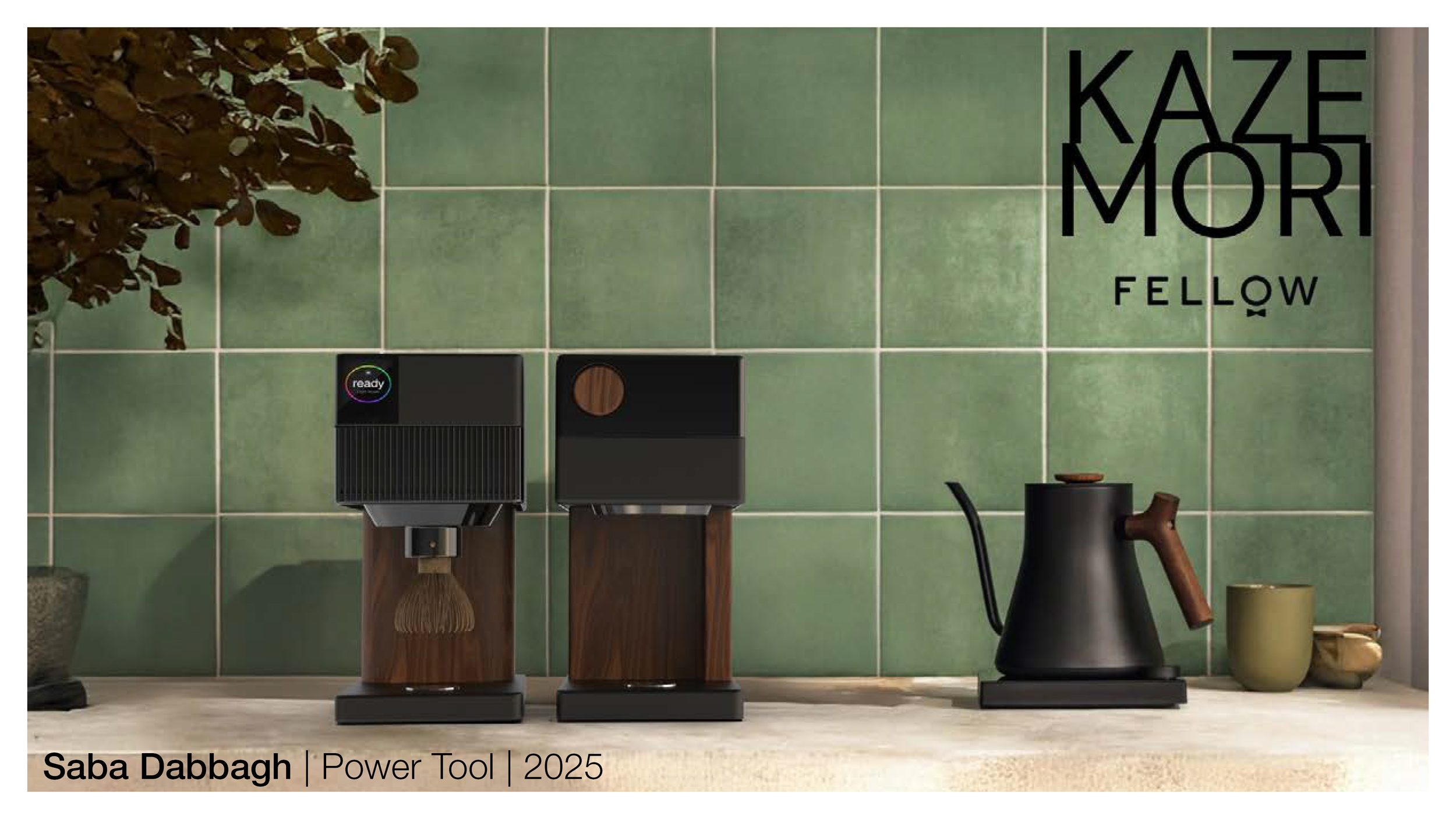
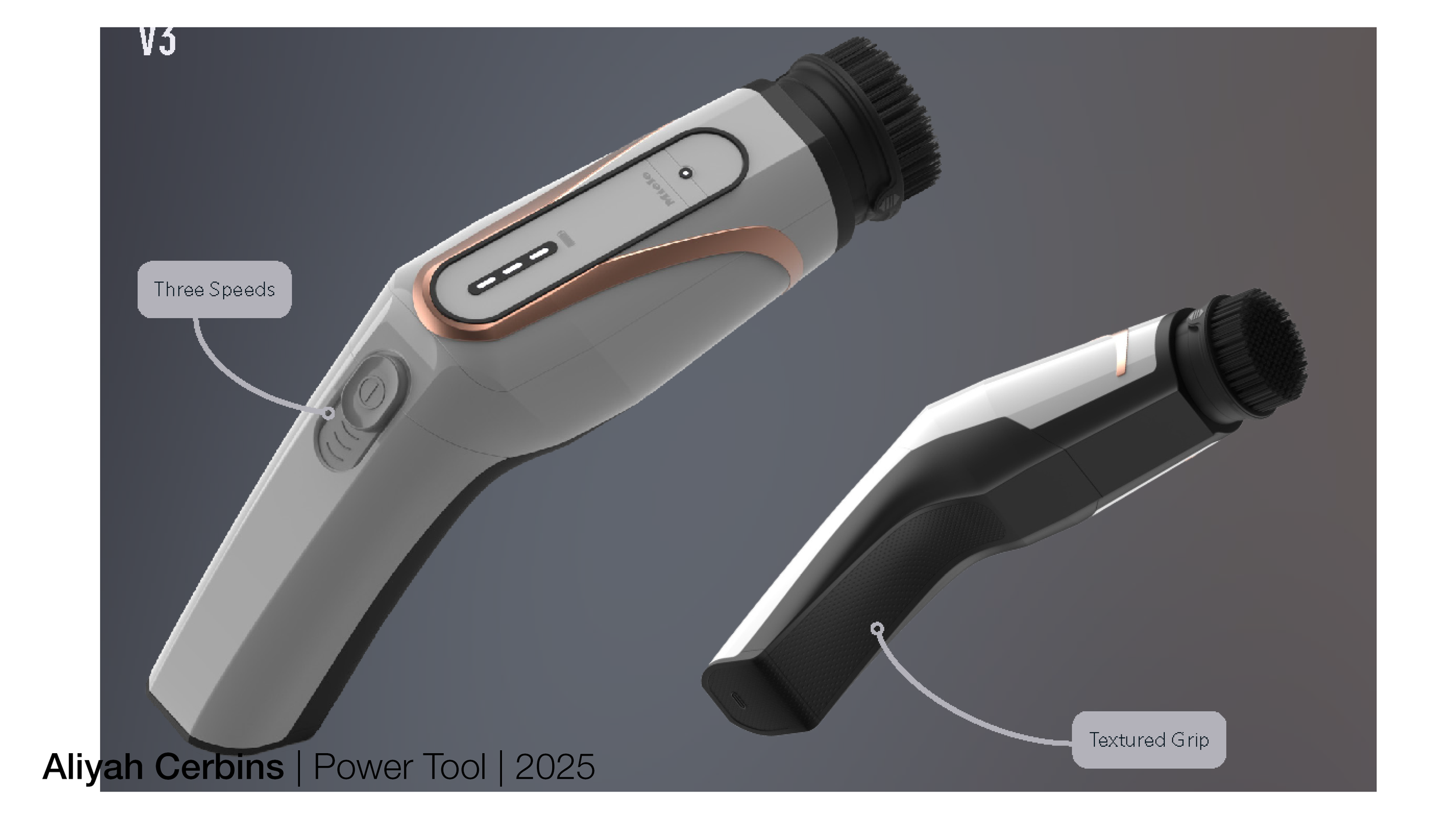
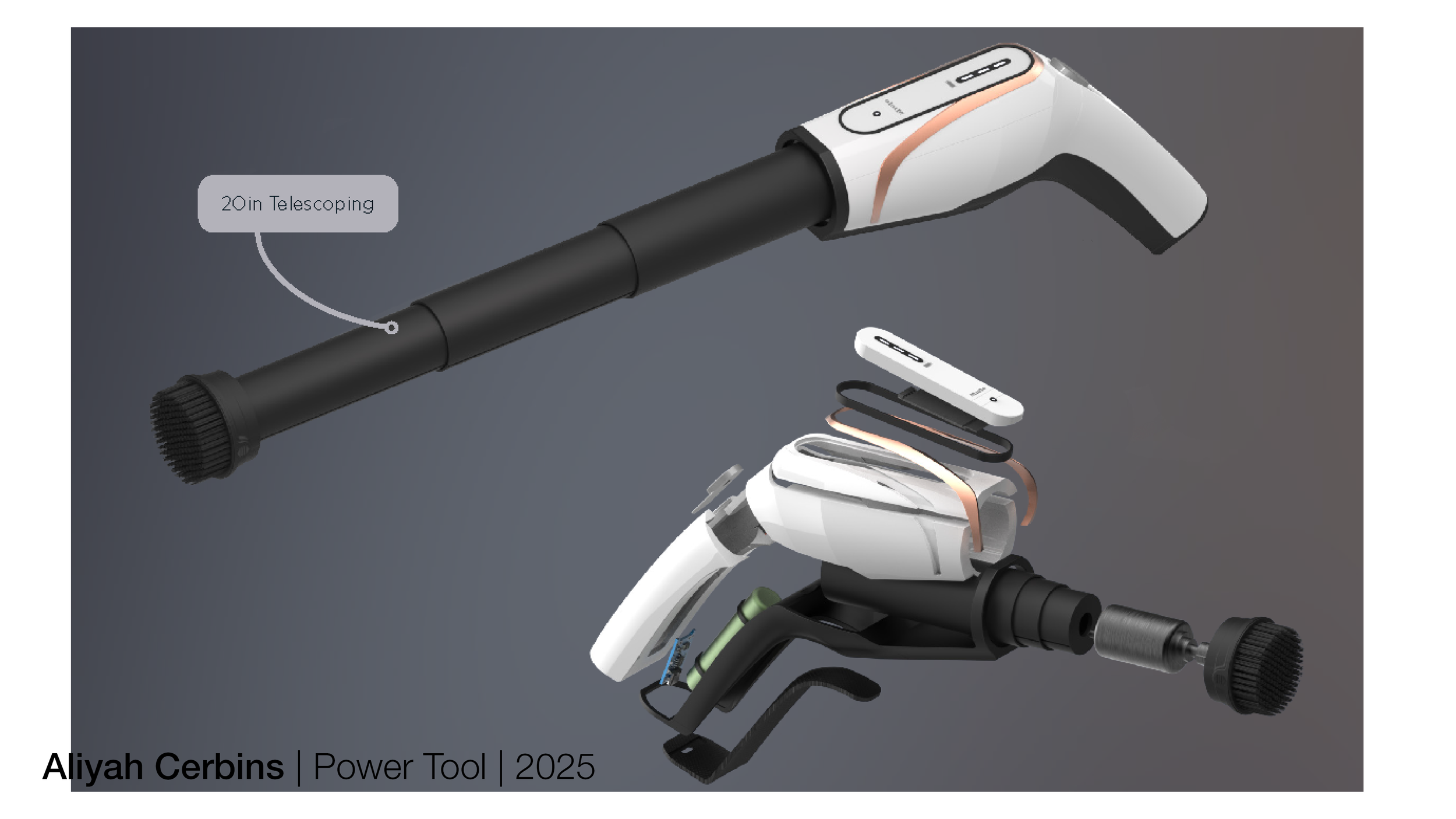
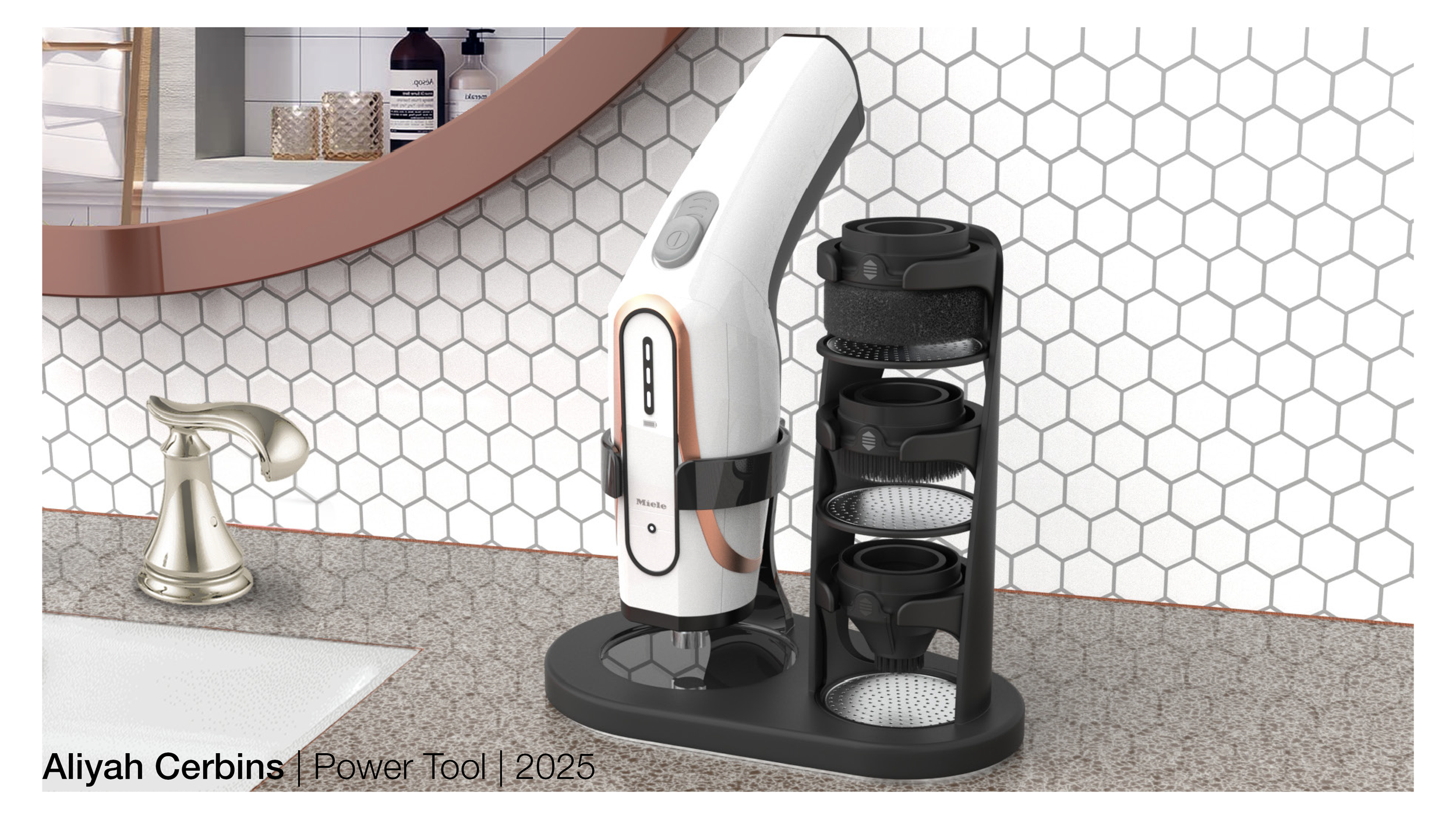
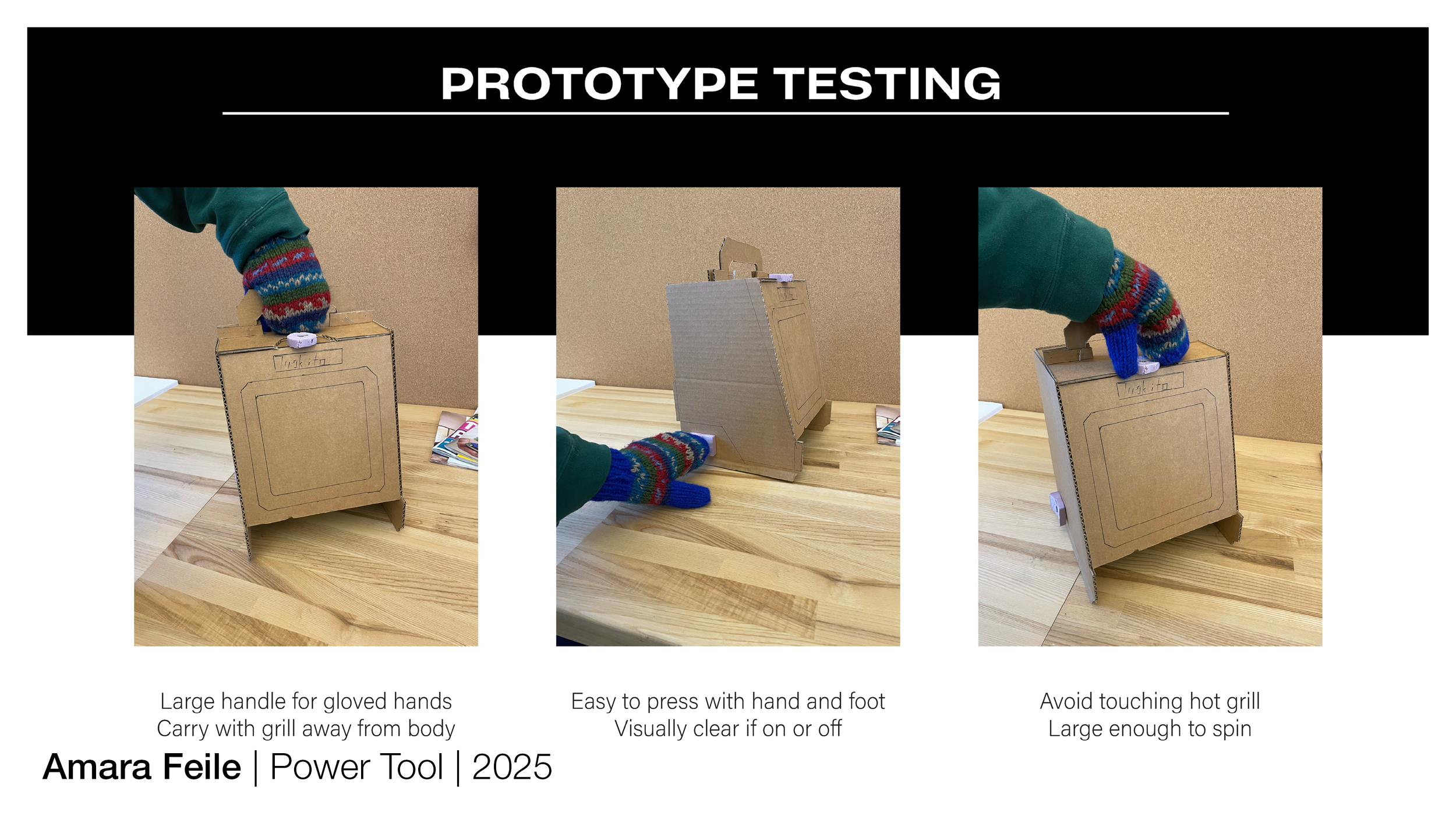
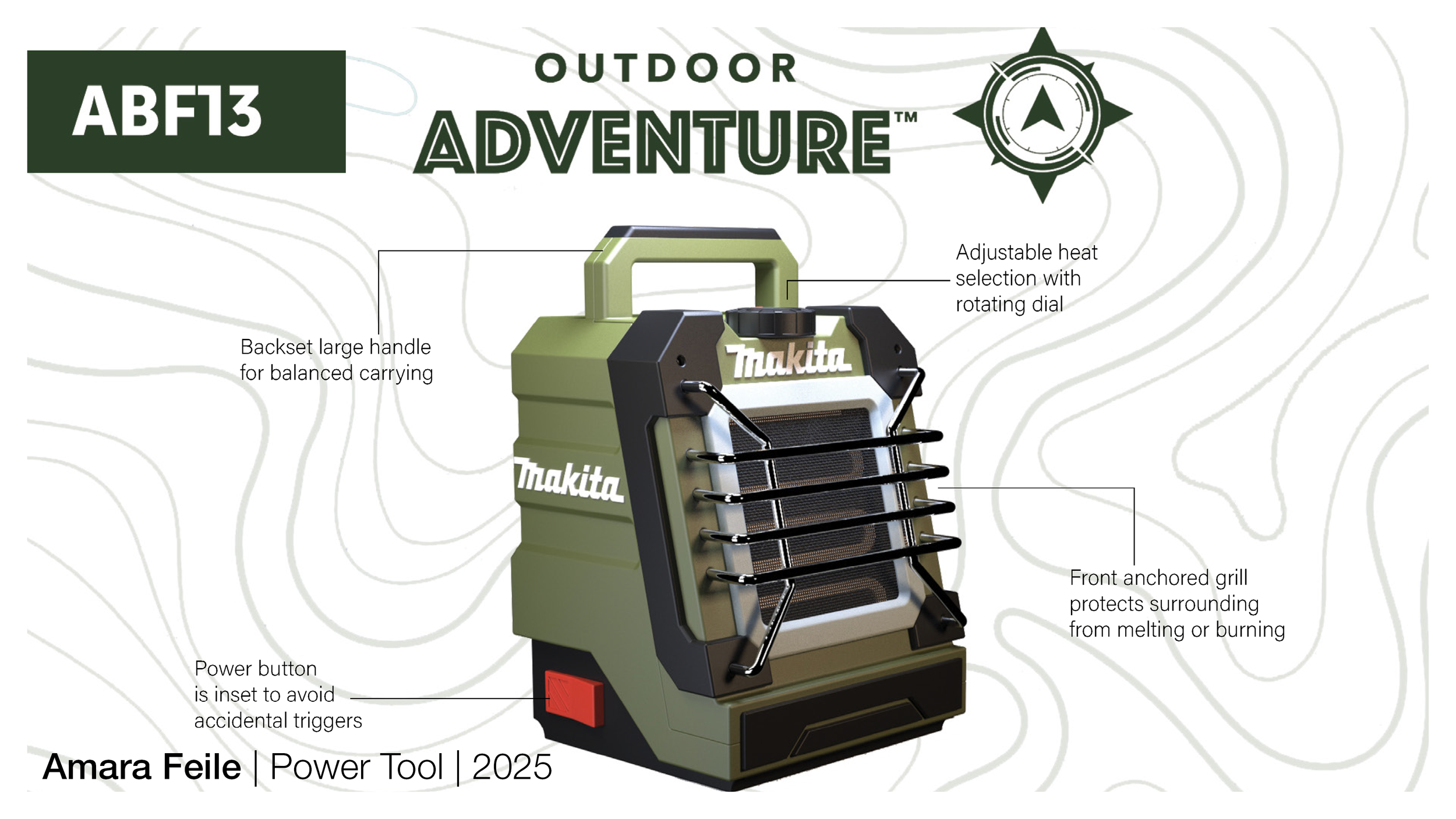
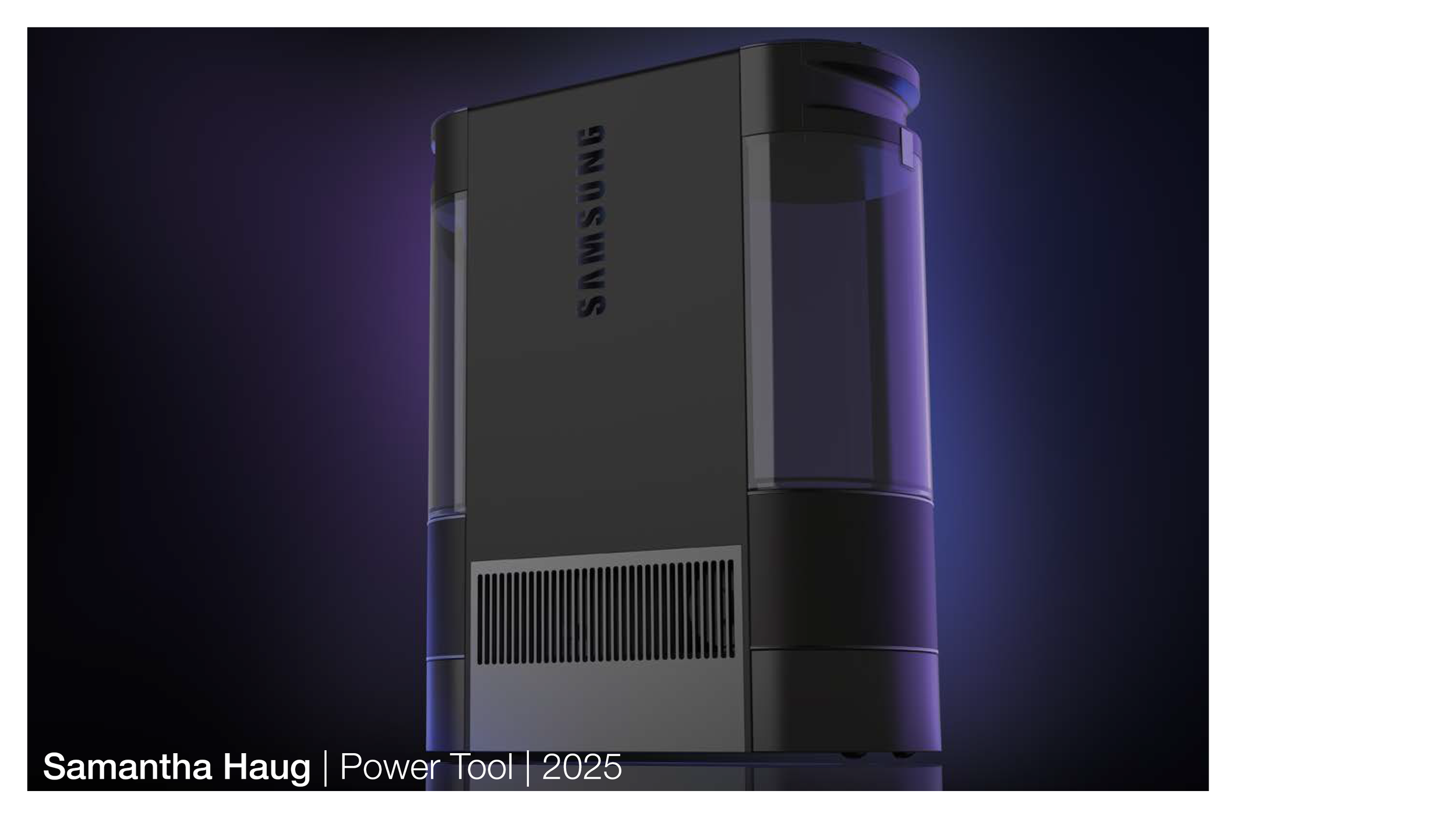
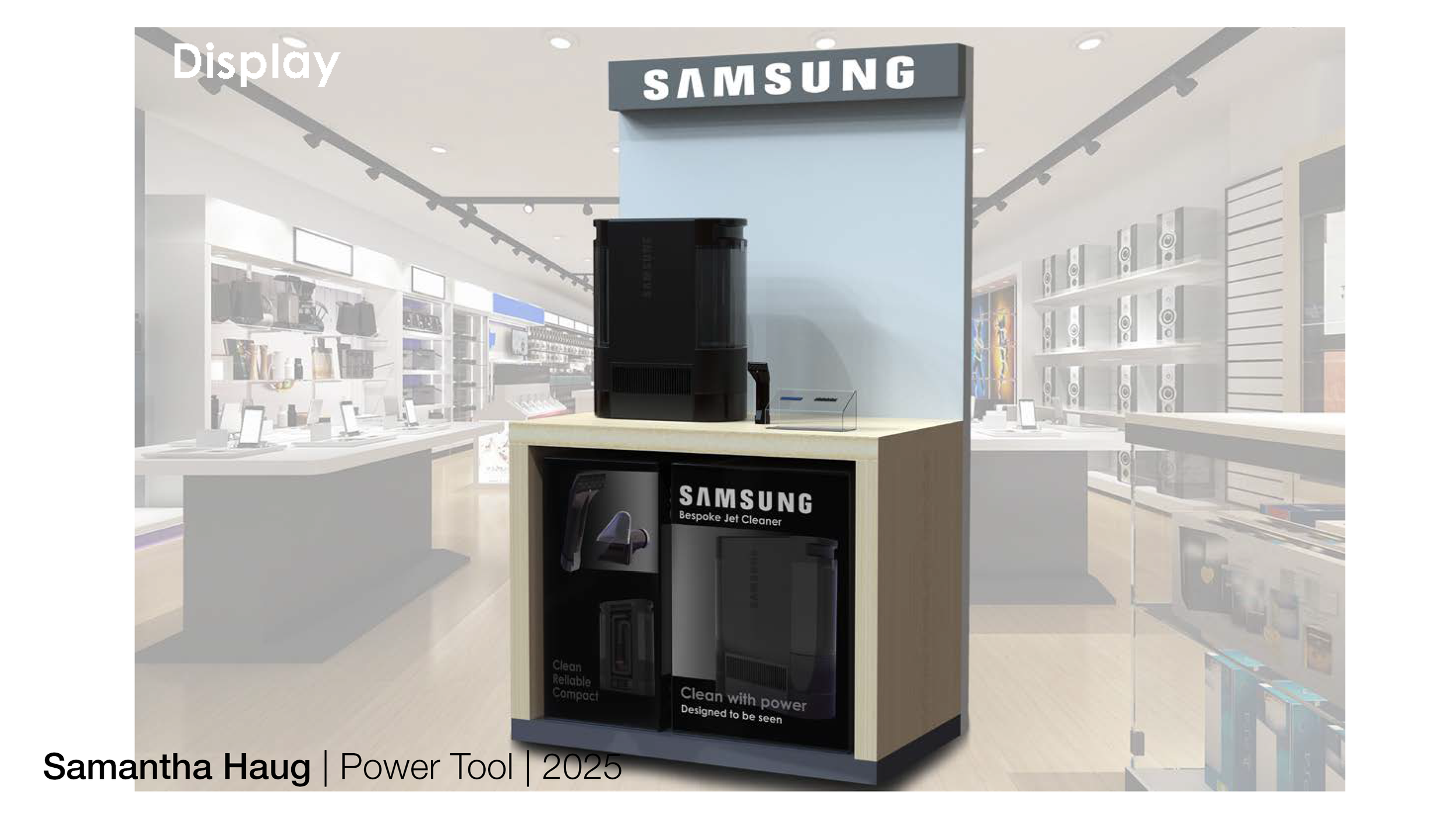
Power Tool Project | 11 Week Project
Student will design a power tool for an existing brand.
• Power tool is defined as a tool with a motor with a hard shell containing components
• Must design packaging (disposable or permanent)
• Must select an existing brand
Skill focus: form development around components, understanding brand language, CMF, low-fi prototyping, design iteration, CAD, and professional presentation
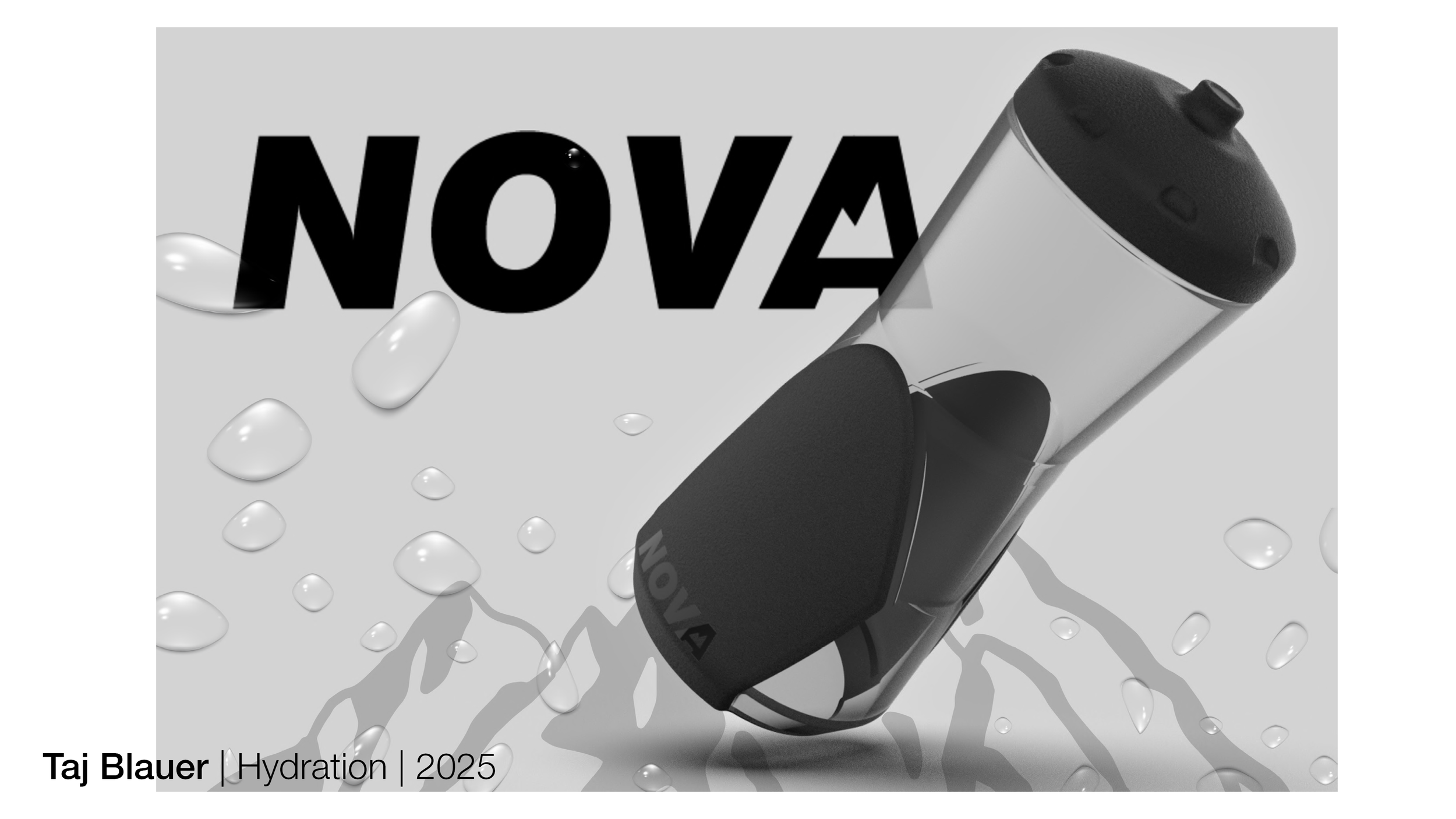
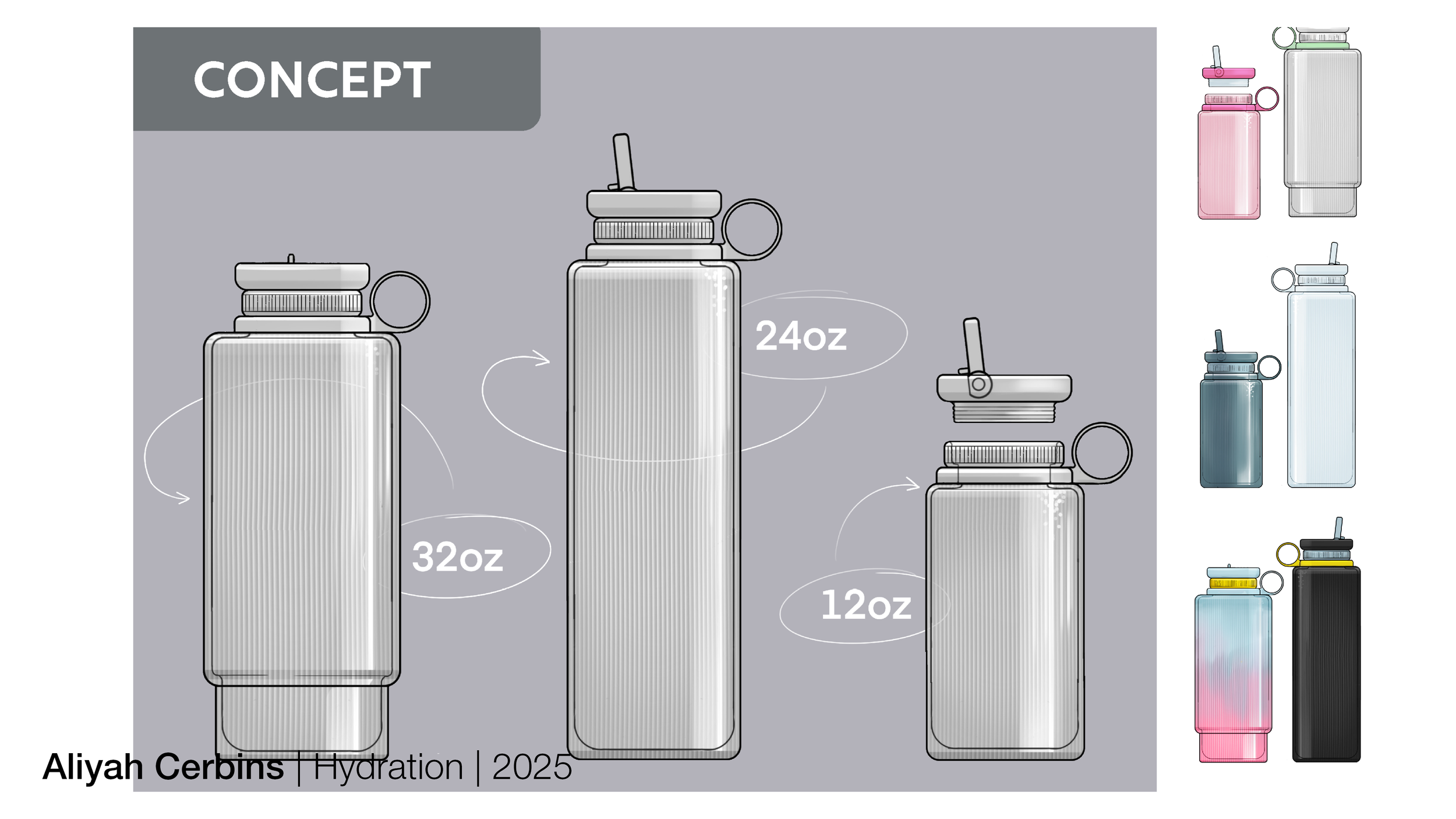
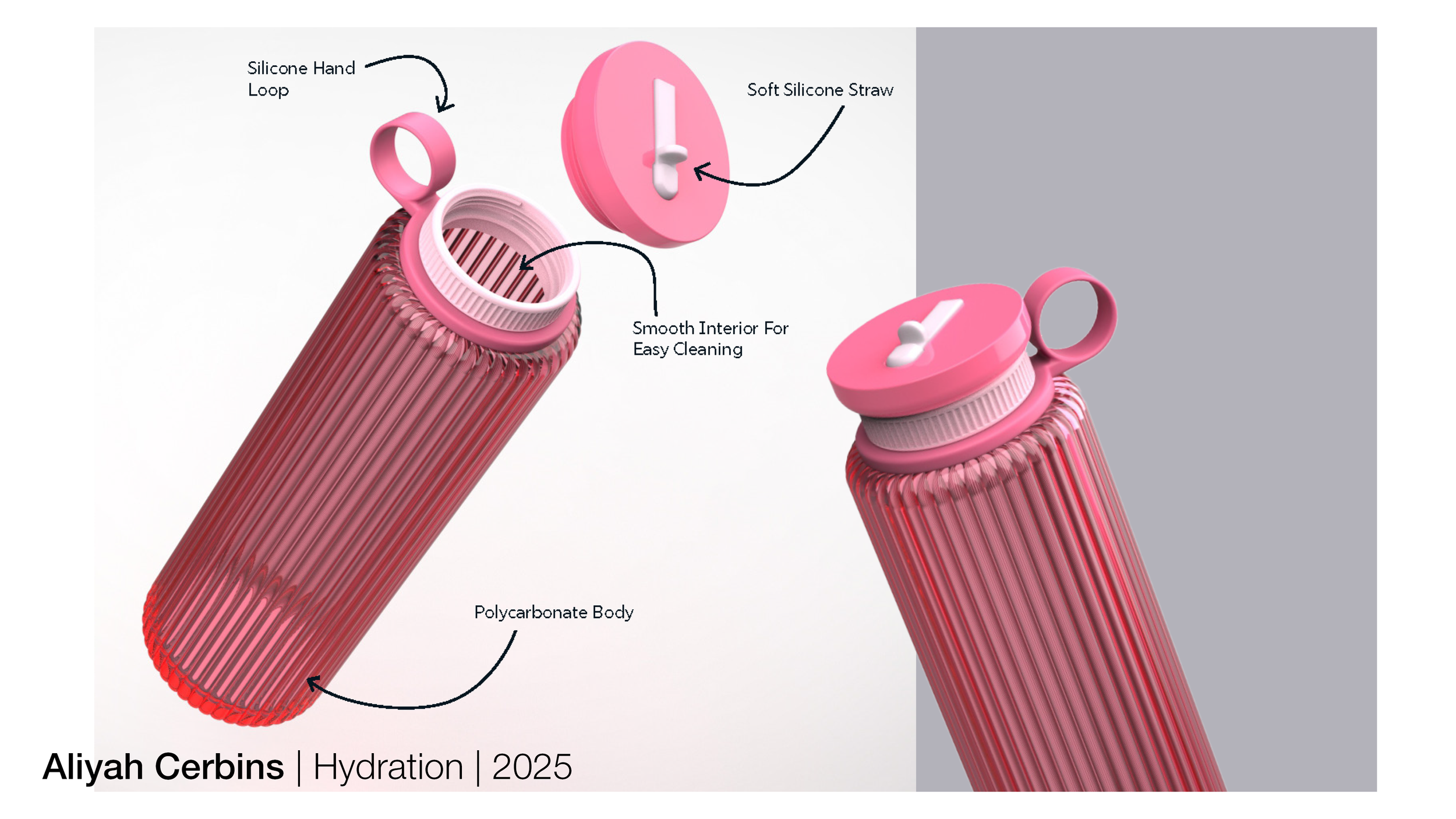
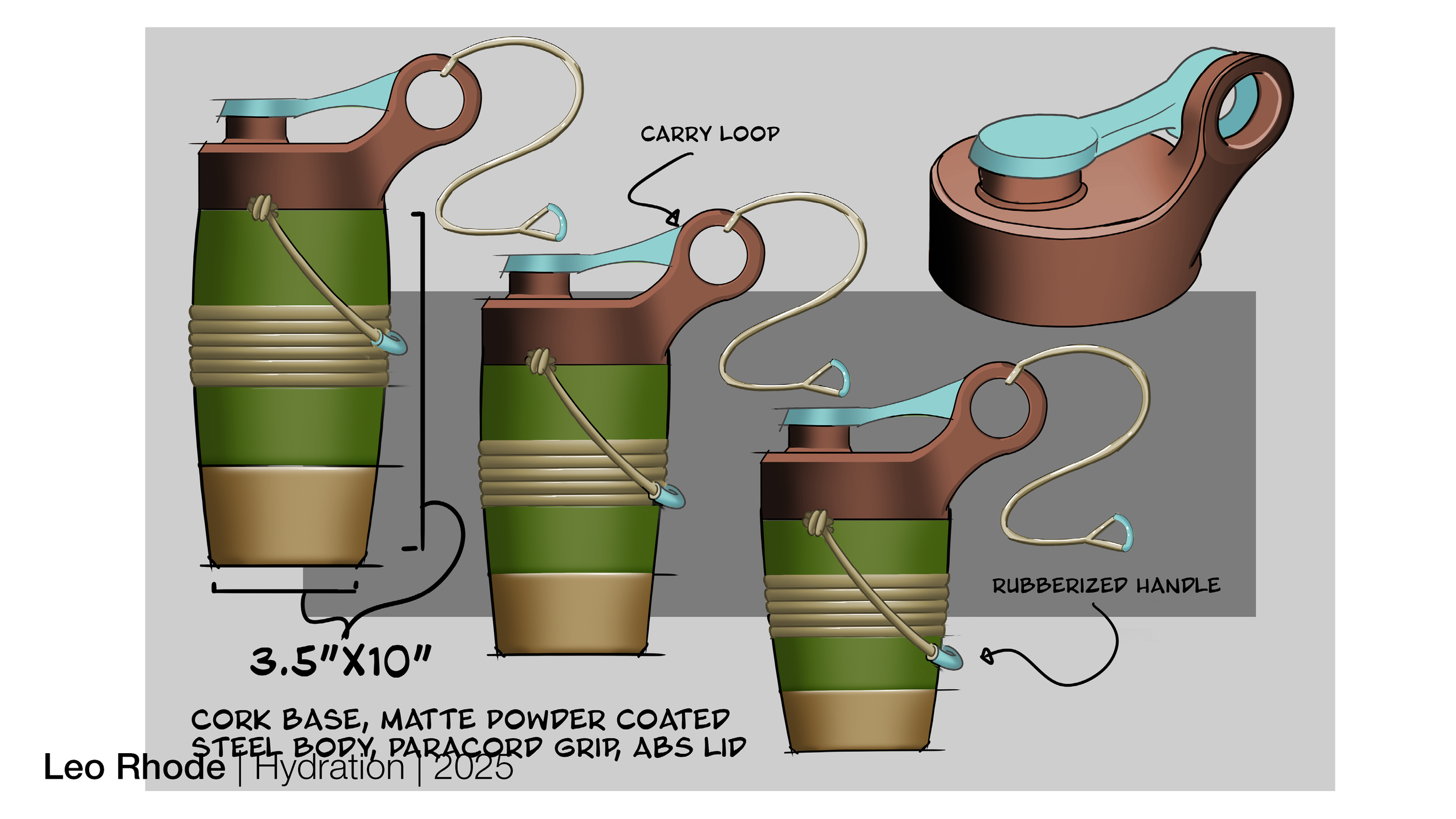
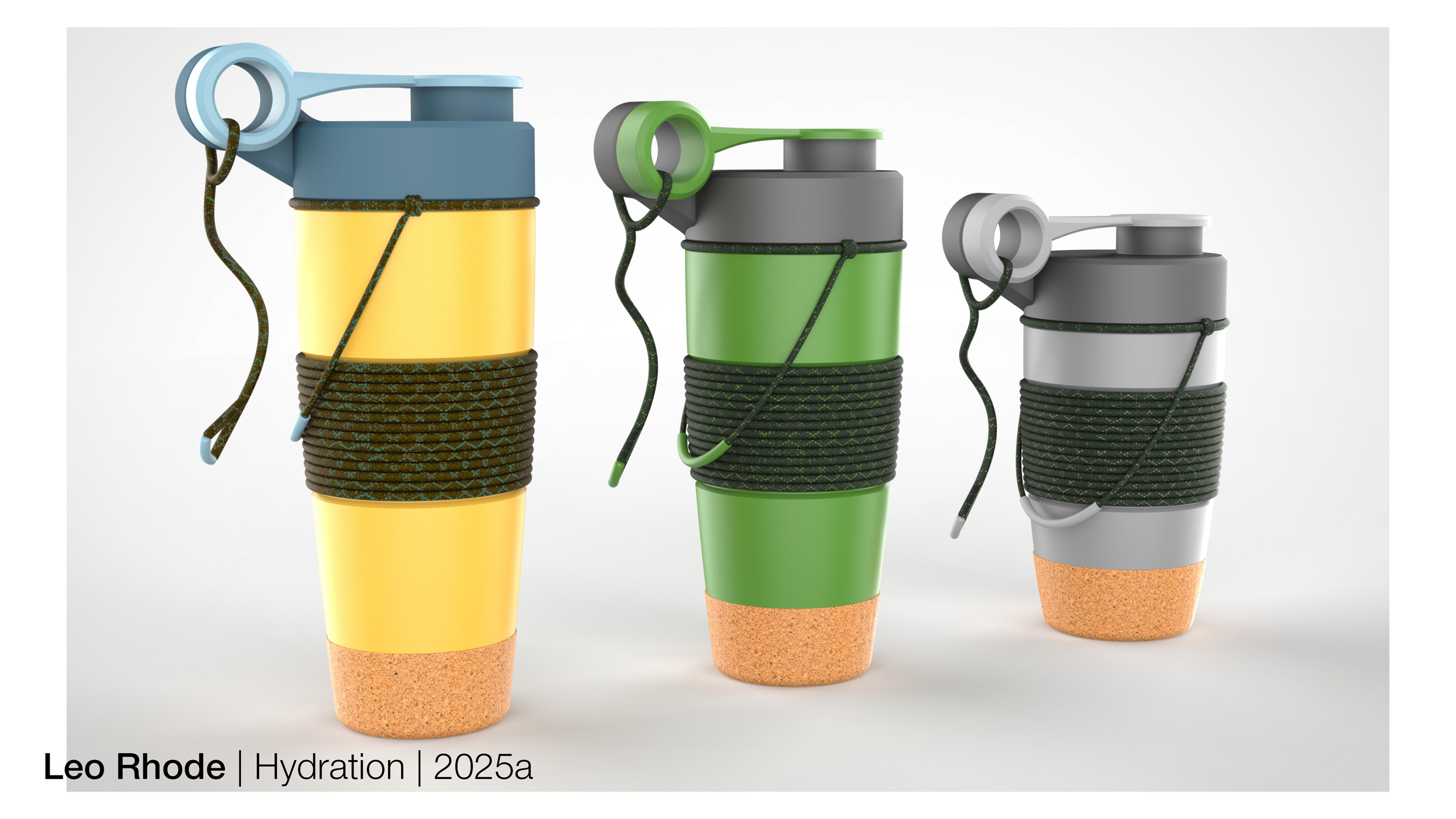
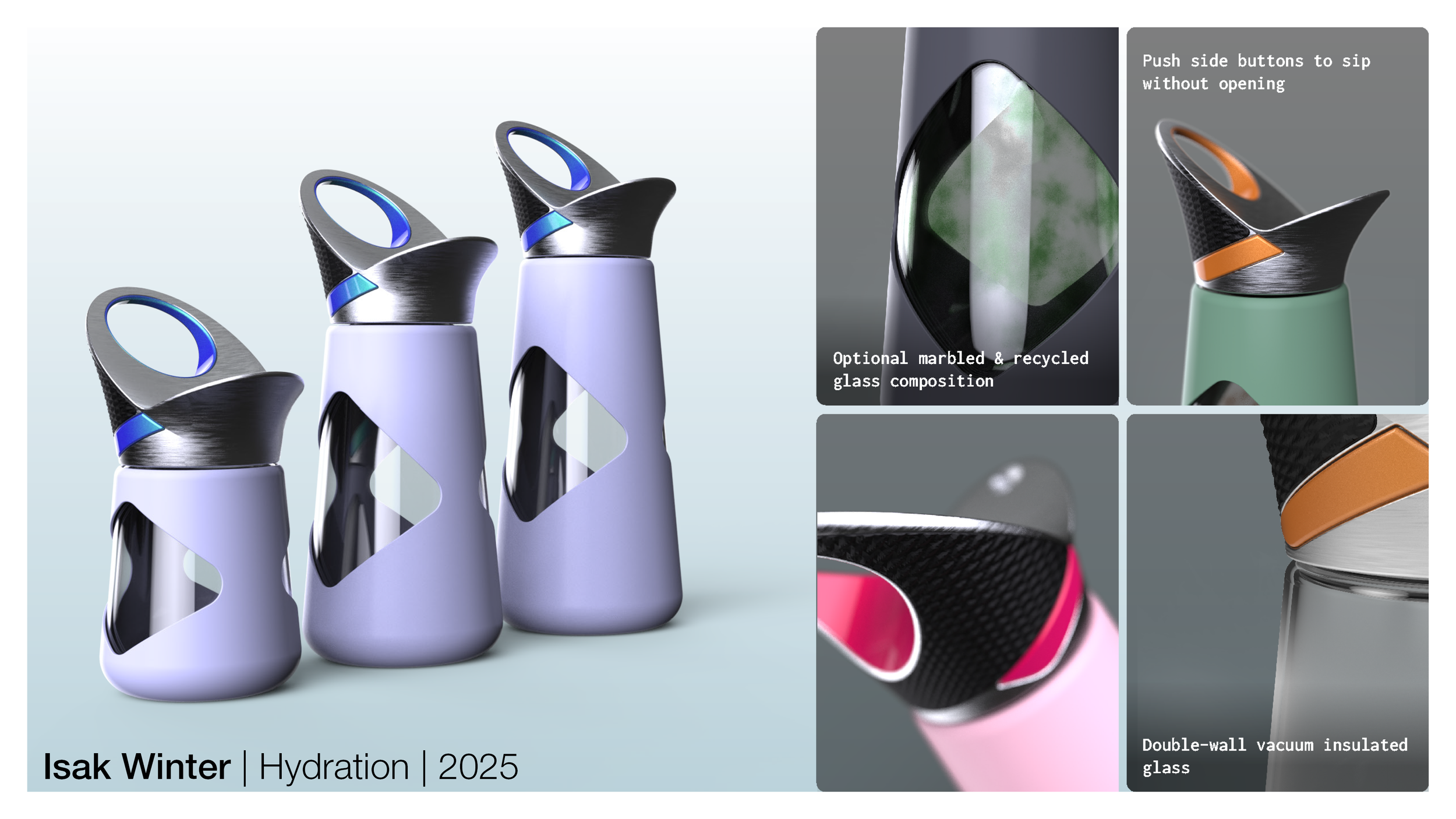
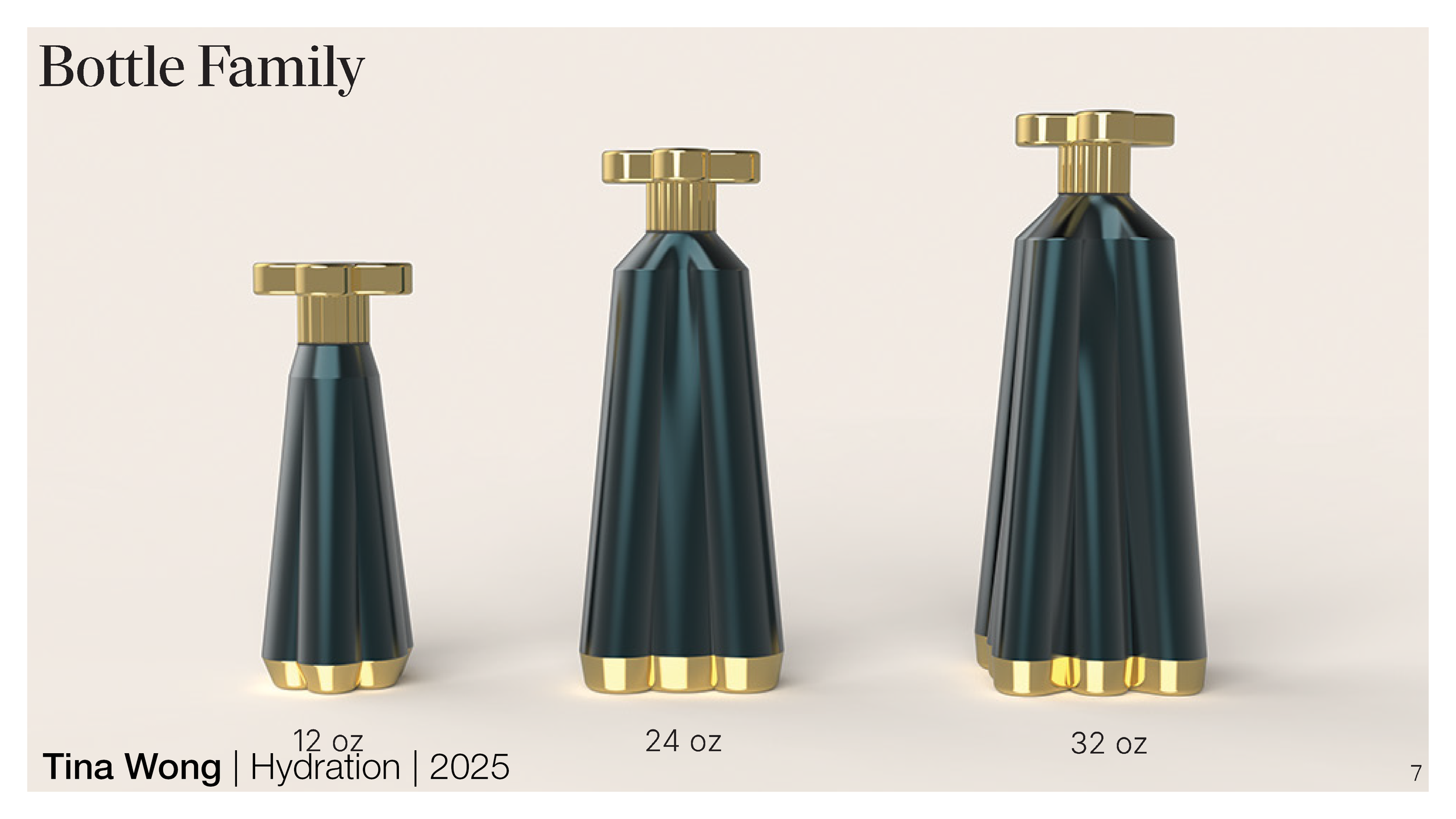
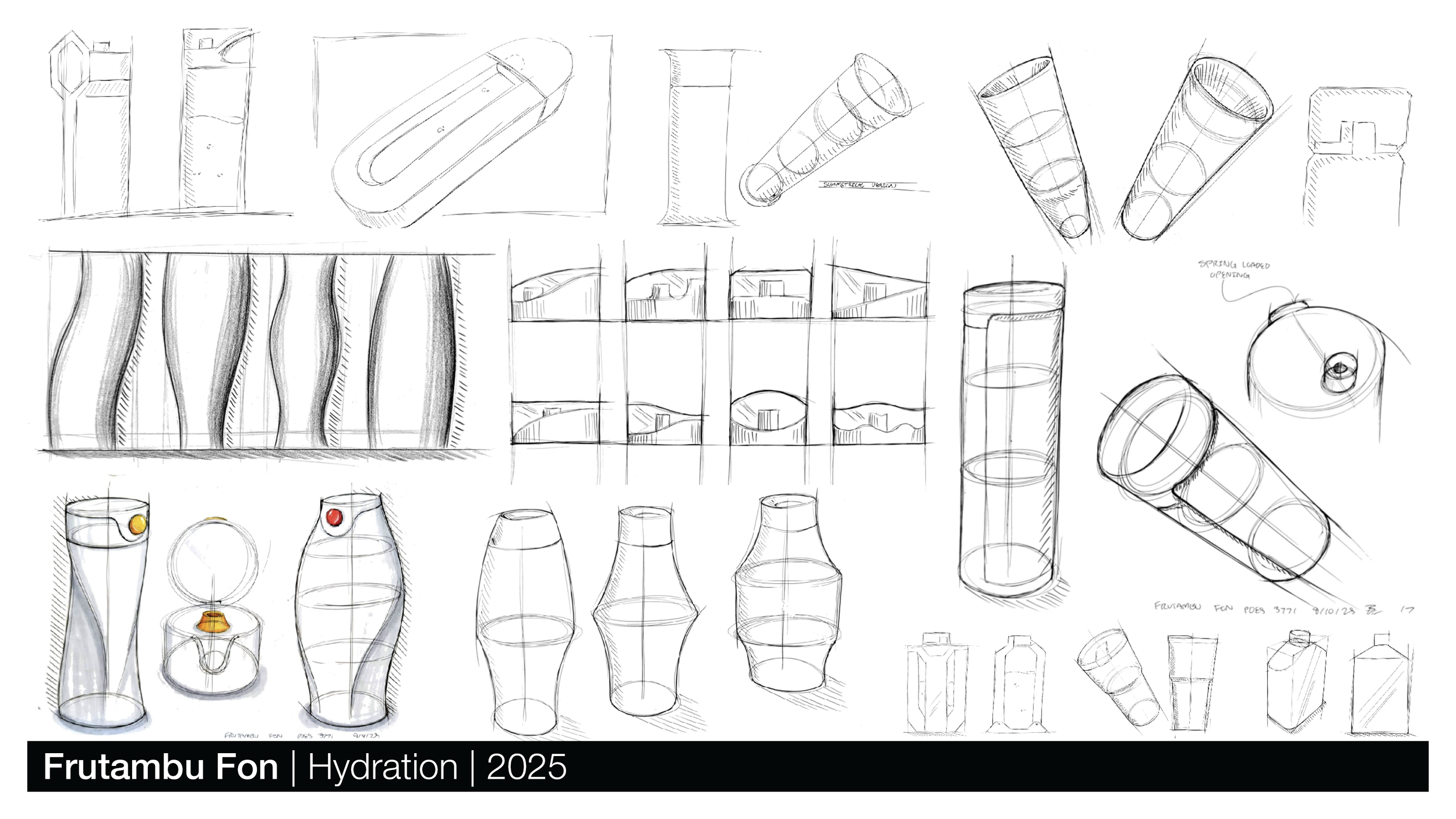
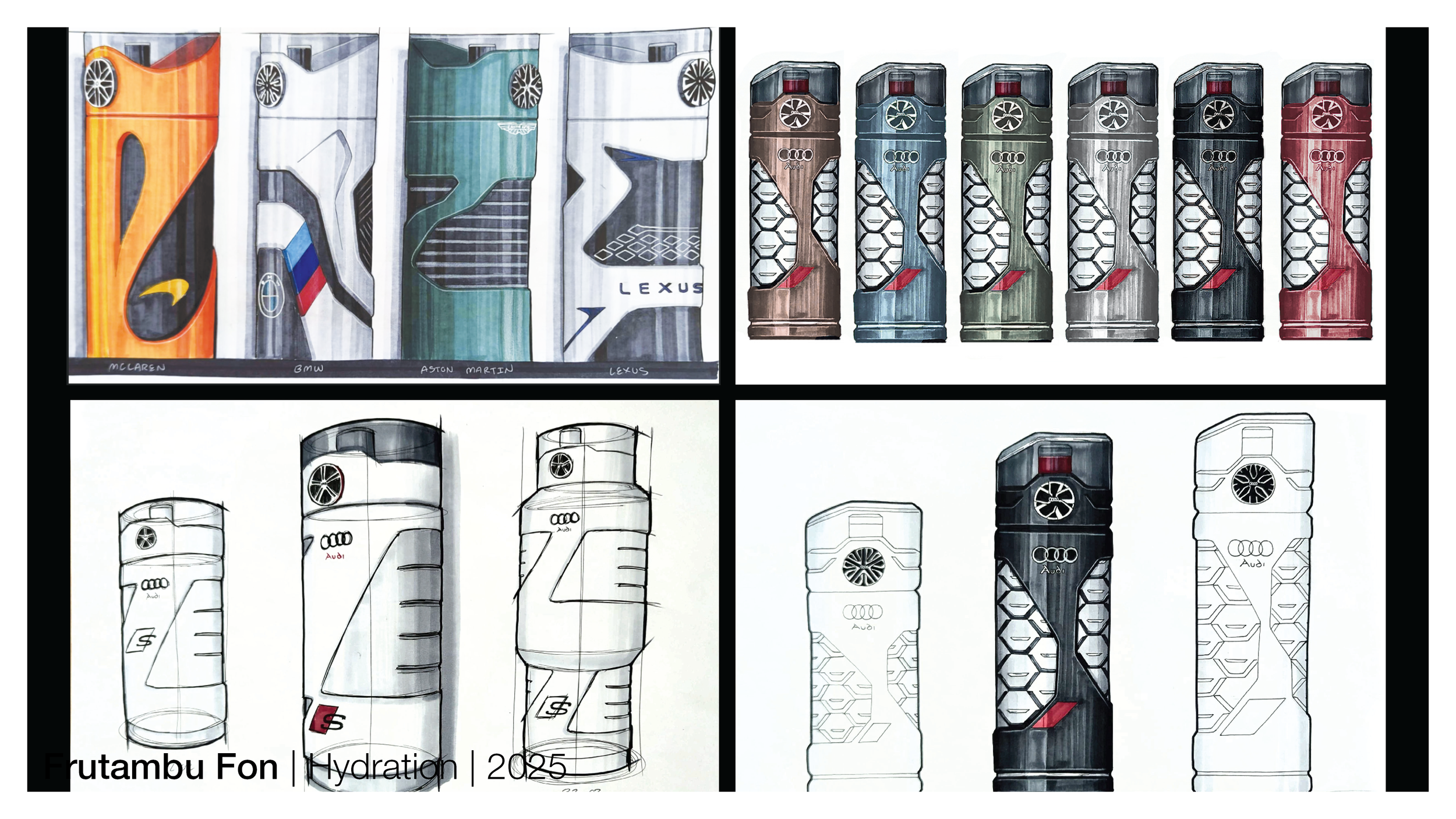
Hydration Project | 4 Week Design Sprint
Student will design a family of hydration bottles with assigned a top and body style.
• Design 12oz, 24oz, and 32oz sizes
• Show in 6 colorways, 2 non-solids
• 3D form prototype
• Body styles: single walled steel, double walled steel, glass, polycarbonate, polypropylene
• Top styles: straw, flip, screw, squeeze
Skill focus: form development, building a family of form, CMF, ideation, concept refinement, and professional presentation